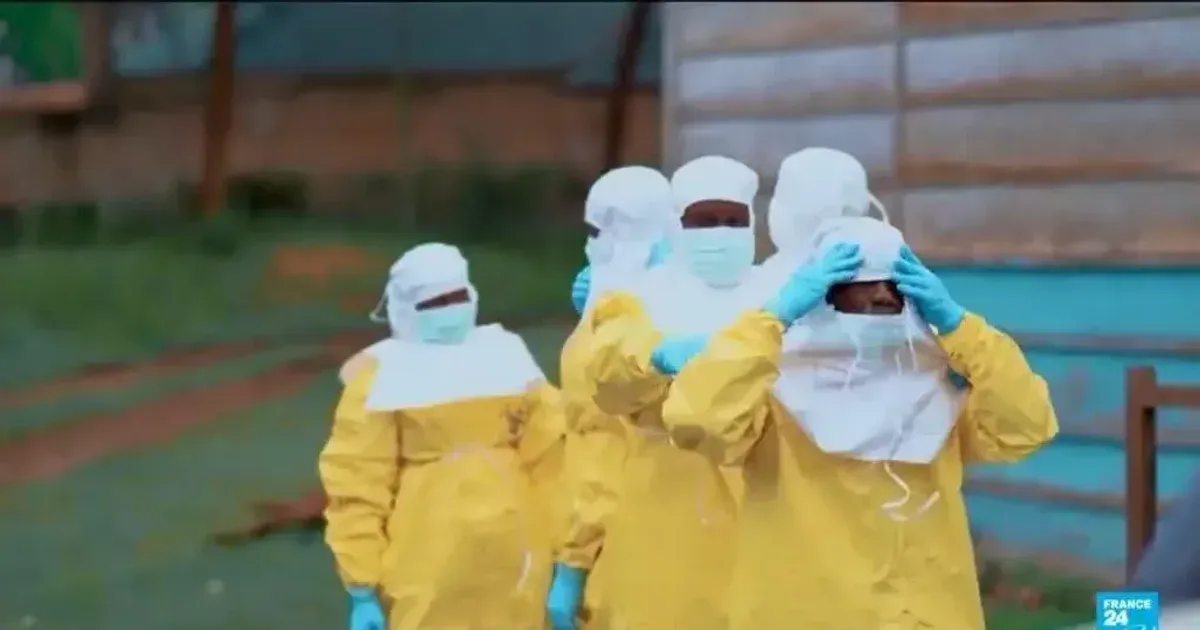
Kenyan authorities extended a legal block on a planned United States medical facility. Judicial officers at the High Court in Nairobi said the project must stay frozen for at least three more weeks. The June 2, 2026, ruling followed protests against the quarantine center that turned violent near an air force base in the central region of the country. Two people died from gunshot wounds during the confrontations.
Construction work at the site stopped immediately after the initial legal challenge. Demonstrations intensified as residents expressed fear regarding the presence of the Ebola virus on Kenyan soil. Kenya has historically maintained strict border control during viral outbreaks in neighboring nations. Local communities now argue that hosting a treatment center for foreign nationals introduces unnecessary biological hazards to their towns.
Plans describe a 50-bed unit designed to house Americans exposed to the virus in the Democratic Republic of Congo or Uganda. Security personnel at the air force base attempted to disperse crowds using live ammunition when the situation spiraled out of control. Human rights groups confirmed the fatalities occurred as protesters tried to breach the perimeter of the military installation. Law enforcement officers have not released the names of those killed during the unrest.
Legal Standstill in Central Kenya
Opponents of the medical facility successfully argued that the government failed to conduct proper environmental and public health impact assessments. Judicial records indicate the 21-day extension allows the court to review these specific procedural failures. Kenyan laws require extensive community consultation before high-risk medical infrastructure can be established near residential zones. This requirement became a basis of the petition filed by local leaders.
They accuse the US of offloading the health risk of caring for patients.
While Washington maintains the site is a temporary quarantine zone, petitioners claim the facility lacks sufficient containment technology. Medical experts testifying for the opposition stated that a 50-bed unit requires specialized waste management systems that are not currently visible at the base. These technical concerns fueled the public panic that led to the recent violence. Support for the project remains low among those living within a 20-mile radius of the planned site.
Security forces remain on high alert throughout central Kenya to prevent further rioting. Local businesses near the air force base shuttered their doors as additional police units arrived from the capital. Reports from the ground suggest that the atmosphere is still tense despite the cooling effect of the court's latest ruling. Kenyan officials have avoided making public statements about the shootings to avoid further inflaming the situation. This facility was intended to treat patients contracting the Ebola virus, which has recently caused a surge in fatalities in the Democratic Republic of Congo.
Security Concerns and Local Pushback
Kenyan residents expressed anger over the decision to use a military base for a civilian health crisis involving foreign nationals. US diplomats previously suggested the site would serve as an essential link for medical evacuation protocols in East Africa. If the court permanently blocks the facility, the United States may have to find an alternative location in a different country. The logistical delay could impact the safety of American personnel currently operating in viral hot zones in Central Africa.
The court scheduled the next hearing for June 23. Successive protests could erupt if the judiciary eventually allows the construction to resume. Because the facility sits on a sovereign military installation, the jurisdictional debate has become increasingly complex for the judges involved. Maintaining public order is now the primary concern for the regional governor. Political pressure is mounting on the Kenyan presidency to clarify the terms of the agreement with Washington.
National health officials attempted to reassure the public that the virus cannot spread through the air. Although these scientific facts are well-established, they have done little to quiet the rumors circulating on social media. Public distrust of foreign medical interventions has a long history in the region. Recent events at the air force base have only deepened the rift between the government and its citizens.
Public Distrust Threatens U.S.-Kenya Health Cooperation
Washington faces a difficult diplomatic path as it tries to secure a footprint for health security in East Africa. Kenyan public opinion has hardened against the project because of the perceived lack of transparency regarding patient transport. If the High Court sides with the local petitioners, it will set a precedent for how foreign-funded medical centers are approved in the country. This friction comes at a time when the US is seeking to strengthen its influence in the region against competing global powers.
Regional security is also at risk if the protests spread to other areas with a foreign military presence. The loss of life has transformed a technical medical debate into a volatile political issue that threatens the stability of the central province. Kenyan leaders must now balance their international obligations with the clear demands of a fearful and mourning electorate. The final decision by the judiciary will determine the future of US-Kenya medical cooperation for years to come.