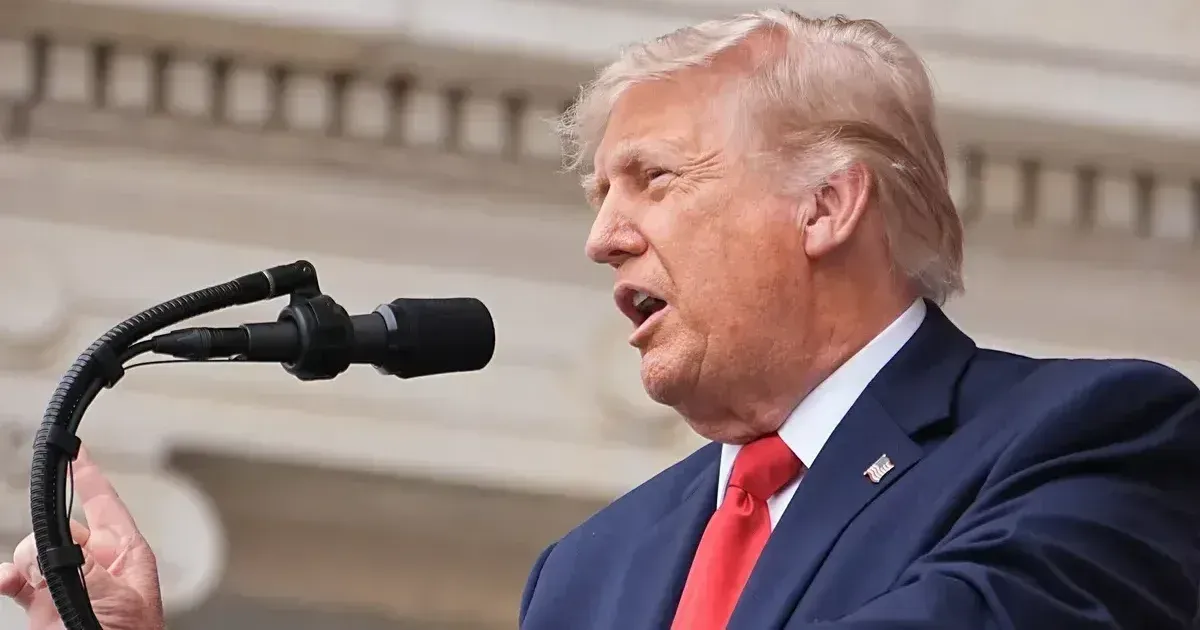
Donald Trump and his senior diplomatic staff are accelerating efforts to broker a durable ceasefire across the Middle East. The peace push is moving through a narrow diplomatic window while Tehran signals resistance. American negotiators have to decide whether pressure helps the talks or hardens the refusal. High-level discussions intensified on June 1, 2026, as the administration faced a tightening domestic political map and persistent demands from international partners. The current deadlock highlights the friction between American electoral goals and the long-term strategic objectives of the Iranian state.
Jeremy Bowen, the international editor for the BBC, recently reported that the White House feels mounting pressure from both the polls and traditional Gulf allies. These partners, particularly Riyadh and Abu Dhabi, have expressed growing concern regarding the stability of regional energy infrastructure and the potential for a wider spillover. Security officials in the United Arab Emirates have reportedly requested more explicit defense guarantees in exchange for their continued support of the American diplomatic plan. This pressure has forced a sense of urgency upon the Trump administration that was less visible earlier in the year.
The White House is pushing for a deal but Iran wants concessions, as the administration feels the dual weight of diplomatic and domestic pressure.
Iranian officials continue to view the conflict as a lever to extract concessions that have eluded them for years. According to internal reports, the Iranian regime seeks a complete lifting of energy-related sanctions and a formal recognition of its regional influence. These demands, however, remain an obstacle for American negotiators who must balance peace efforts with the expectations of a more hawkish base at home. Tehran refuses to blink.
Saudi Arabia has played a quiet but influential role in the recent shift in American strategy. Diplomats from the kingdom have frequently reminded their counterparts in Washington that a prolonged war threatens the economic diversification projects central to the Saudi Vision 2030 plan. These concerns are amplified by the volatility in global oil markets, which have seen several sharp spikes whenever tensions near the Strait of Hormuz escalate. Stability in the Gulf is no longer just a security preference; it is a requirement for the economic health of the global energy supply.
Domestic political survival drives the urgency in Washington. Recent polling suggests that American voters are increasingly wary of open-ended foreign entanglements and the financial costs associated with supporting regional allies. Republican strategists are reportedly worried that a failure to secure a peace deal before the upcoming election cycle could alienate moderate voters who prioritize domestic inflation and border security. This electoral reality has turned a complex foreign policy challenge into a primary campaign objective for the Trump team.
Financial analysts note that the cost of maintaining a heightened military posture in the region is straining the federal budget at a time when the administration is promising tax cuts. Projections from the Congressional Budget Office indicate that sustained operations could require supplemental funding that might prove difficult to pass through a divided legislature. These economic constraints add a layer of complexity to the negotiation process, as Iranian leaders are well aware of the fiscal pressures facing their American counterparts.
Voters in key battleground states have begun to voice dissatisfaction with the pace of the peace process. In Michigan and Pennsylvania, community leaders have organized town halls to demand a clearer timeline for de-escalation. These local pressures often reach the Oval Office faster than the formal reports from the State Department. Trump has responded by tasking his inner circle with finding a breakthrough that can be presented as a major foreign policy win before the autumn.
Negotiations in neutral venues like Muscat or Doha have yet to produce a breakthrough on the core issues of nuclear compliance and regional proxy activity. Iranian representatives have maintained a hardline position, arguing that previous agreements were discarded unilaterally and that any new deal must include ironclad guarantees. The lack of trust continues to stall the technical aspects of the ceasefire talks, even as the political will for a resolution grows in the West. The Iranian leadership appears content to wait for a better offer.
Gulf Allies Demand Stability
Regional powers are no longer willing to wait for a slow-moving diplomatic process. Intelligence reports from the region suggest that several Gulf states have initiated their own back-channel communications with Iranian intermediaries to reduce risks to their sovereign territory. The independent diplomacy reflects a diminishing confidence in the ability of the United States to provide a permanent security umbrella without a formal treaty. The White House has viewed these developments with caution, fearing that a fragmented regional response could weaken its overall bargaining position.
Tehran Holds Out for Sanctions Relief
Economic survival remains the primary motivator for the Iranian side of the table. The cumulative effect of years of restricted trade has hampered the Iranian domestic economy, leading to occasional outbreaks of public discontent. Despite these internal pressures, the regime in Tehran has consistently used its regional proxies to demonstrate that it can still project power beyond its borders. The dual reality allows them to enter negotiations from a position of perceived strength, demanding that any peace deal start with the unfreezing of billions of dollars in overseas assets. The administration has yet to agree to these terms.
Washington's Election Clock Conflicts With Tehran's Patience
Visions of a post-conflict order in the Middle East often clash with the cold realities of survival for the Iranian state. While the Trump administration views a peace deal as a necessary component of its reelection narrative, the leadership in Tehran perceives the same timeline as a window of maximum leverage. The fundamental misalignment of goals makes a rapid resolution unlikely, despite the intense pressure from Riyadh and other regional capitals. The strategic patience of the Iranian regime is a direct counter to the electoral urgency of the American presidency.
If Washington cannot find a way to decouple its domestic needs from the requirements of regional security, the conflict may continue to simmer regardless of the diplomatic energy expended. A peace deal that addresses only the symptoms of the rivalry rather than its underlying causes would likely be short-lived. The region stays on edge.