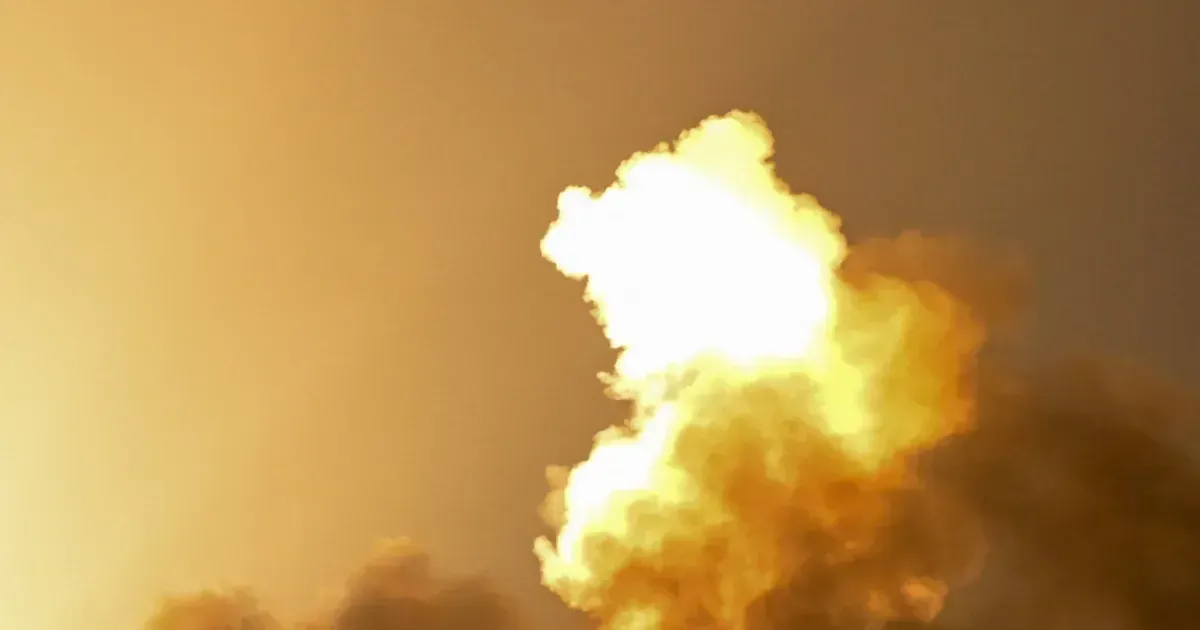
Ukrainian air defense units engaged a wide wave of aerial threats across multiple regions in the early hours of Tuesday. The scale of the barrage forced Ukraine to judge damage, casualties and air-defense depletion at the same time. That makes early casualty totals especially fluid. According to the Ukrainian air force, 656 drones and 73 missiles targeted locations across the country in a coordinated attempt to saturate defensive networks. The strike occurred on June 2, 2026, marking an escalation in the frequency of long-range operations.
Coordinated Assault Targets Key Urban Centers
Casualty reports varied slightly between major news organizations during the immediate assessment of the damage. While Al Jazeera reported at least nine deaths, Kyiv and Dnipro officials later confirmed to the New York Times that at least 10 people were killed. Dozens more suffered injuries as projectiles impacted residential areas and infrastructure hubs in both cities. Emergency responders noted that the majority of fatalities occurred in high-density zones where falling debris caused structural collapses.
In the central city of Dnipro, rescue teams worked through the morning to reach survivors trapped under the rubble of apartment buildings. Local authorities coordinated with medical teams to transport the wounded to nearby hospitals while firefighters battled blazes sparked by direct missile impacts. $11 billion in aid packages previously approved by Western allies has focused on strengthening these specific defense capabilities, yet the sheer volume of the incoming fire tested the limits of available interceptors.
Total saturation of the airspace lasted for several hours.
Air defense crews in the capital spent the night intercepting a high volume of loitering munitions and cruise missiles. Shrapnel from intercepted drones fell on several districts, leading to power outages and damaged vehicles. Local residents reported hearing a near-constant series of explosions as the 656 drones approached the city in successive waves from different directions.
Intelligence Warnings Precede Overnight Barrage
Volodymyr Zelenskyy had provided residents with advance notice of a potential bombardment. Zelenskyy emphasized the likelihood of an incoming barrage during several national addresses after intelligence indicated a build-up of Russian assets. CBS News reported that the Ukrainian president believed Moscow was preparing a specific large strike to pressure the country's defensive grid.
"Russia was planning a major assault," President Volodymyr Zelenskyy told residents in the days leading up to the attack.
Moscow confirmed the operation shortly after the final wave of drones completed their flight paths. Officials in the Kremlin described the action as an "enormous" strike intended to hit specific strategic targets. This official statement aligns with reporting from DW News, which highlighted that Moscow viewed the barrage as a tactical maneuver. Instead of targeting a single facility, the flight paths suggest a strategy designed to deplete Ukraine's stocks of expensive surface-to-air missiles.
Rescue workers in Kyiv reported that the recovery of survivors remains the primary focus of the morning shift. Authorities expect the number of wounded to rise as rubble is cleared. Early data suggests that the combined drone and missile count makes this one of the most resource-intensive attacks of the year. While many projectiles were intercepted, the survivors face immediate shortages of power and water in several affected districts.
Tactical Scale of the Moscow Strike
Planes and ground-based defense batteries were forced to prioritize targets based on proximity to critical infrastructure. The high number of loitering munitions forced defensive units to stay active for the entire duration of the night. Resulting fires from the impacts were still being extinguished by midday in the Dnipro region. Military analysts suggest that the use of over 600 drones indicates an increase in production capacity or a large draw from existing stockpiles.
Fires burned through several industrial warehouses on the outskirts of major hubs. Reports from regional governors indicate that local hospitals are currently treating more than 50 individuals for blast-related injuries. Nine fatalities were initially confirmed in the first wave of reporting, though the death of an additional victim in a Kyiv hospital pushed the toll higher. Defense officials are now analyzing the wreckage to determine the specific models of missiles used in the assault.
Military observers noted that the timing of the strike followed a period of relative calm in the capital. The pause allowed residents to return to normal routines before the overnight sirens forced thousands back into underground shelters. The psychological impact of such a large-scale volley continues to be a factor in the ongoing assessment by local psychological support teams.
The Barrage Tests the Sustainability of Western Air Defense
A strike of this magnitude changes the calculus for neighboring states and the security architecture of Eastern Europe. The deployment of over 700 combined projectiles in a single night is both an act of attrition and a demonstration of industrial endurance that challenges the sustainability of current defensive assistance models. If Moscow can sustain this level of kinetic output, the cost for Ukraine to defend every major city will likely exceed the current delivery rate of Western interceptor missiles. The dynamic forces a difficult choice between protecting civilian centers or maintaining front-line air defense coverage.
Furthermore, the anticipation of the strike by Zelenskyy suggests that intelligence sharing remains high, yet the inability to prevent the casualties highlights the gap between early warning and physical protection. The regional impact is immediate. Neighbors like Poland and Romania are likely to increase their own readiness levels as stray munitions or debris remain a persistent threat during such large salvos. The endurance of the Ukrainian grid is under its most severe pressure of the 2026 campaign.