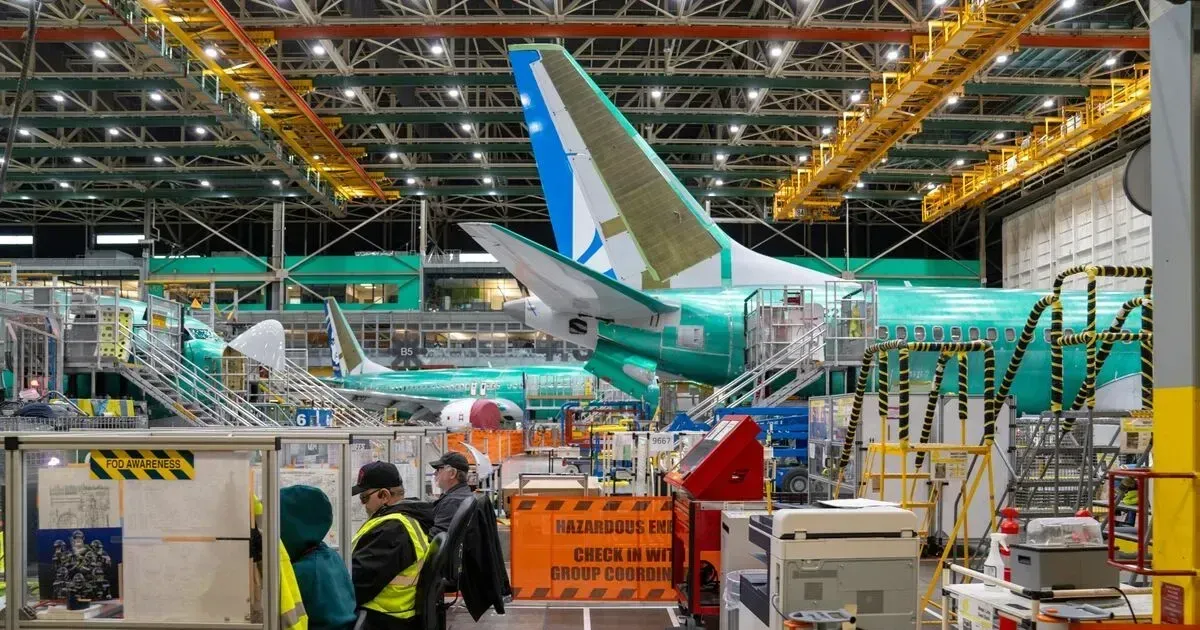
Data from S&P Global revealed on April 23, 2026, that industrial output in the United States accelerated to its fastest pace in nearly four years. This sharp increase in manufacturing strength coincides with a substantial jump in input costs, which have reached their highest levels since late 2022. Purchasing managers across the country reported a sudden intensification of demand for raw materials, largely driven by fears of sustained logistical bottlenecks. Industrial activity now sits at a level that suggests the manufacturing sector is leading the broader economic recovery. However, the accompanying price spikes present a complex challenge for monetary authorities attempting to cool inflation.
Manufacturing growth in the early second quarter of 2026 surprised analysts who had expected a cooling period. Orders for durable goods and machinery moved upward as firms sought to secure components before further cost increases could take hold. Many producers indicated that they are now operating at near-maximum capacity for the first time in several fiscal cycles. Employment in the sector also showed signs of life as firms added shifts to meet the growing backlog of work. Production metrics suggest that the industrial heartland is recapturing momentum despite high borrowing costs. Factory floors are seeing a level of activity that reminds many of the post-pandemic rebound period.
Manufacturing Output Reaches Four Year High
Industrial production figures for April 2026 indicate a strong expansion in output across both consumer and capital goods. Heavy machinery orders led the surge, with aerospace and defense contractors reporting the largest gains. Supply-chain managers are currently struggling with lead times that have extended for the third consecutive month. Raw material availability has become the primary concern for purchasing departments nationwide. Firms are increasingly prioritizing certainty of supply over price negotiations to avoid production halts. This behavior indicates a transition from just-in-time inventory strategies to more protective, buffer-heavy models. Output levels in the automotive sector also contributed to the overall index gains.
Inventory building appears to be the dominant trend among mid-sized manufacturers. Companies are stocking up on critical electronic components and specialized metals that are vulnerable to international trade volatility. Data from Bloomberg Economics suggests that this stockpile accumulation is contributing to the headline growth figures. While output is rising, much of it is being diverted into warehouses rather than immediate end-user consumption. Financial officers are closely monitoring the cost of carrying this additional inventory in a high-interest-rate environment. Credit facilities for industrial firms are seeing increased use as working capital requirements expand. Demand from the domestic energy sector is providing an additional floor for manufacturing orders.
War-related Supply Chains Drive Procurement Costs
Geopolitical tensions have introduced fresh volatility into the procurement process for American manufacturers. Disruptions related to ongoing regional conflicts have forced shipping companies to reroute vessels, adding weeks to transit times. These logistical hurdles have directly translated into higher freight costs and insurance premiums for industrial importers. Small and medium enterprises are particularly exposed to these fluctuations in overseas shipping rates. Procurement officers report that specialized chemicals and specialized steel alloys are becoming increasingly difficult to source. The resulting scarcity is fueling a bidding war for existing domestic stocks. Markets for rare earth elements also show signs of extreme price sensitivity.
A spokesperson for Bloomberg Economics stated that war-related supply disruptions prompted a scramble for supplies as manufacturers feared a repeat of the 2022 energy crisis.
Inflationary pressures are no longer confined to energy and food; they are now deeply embedded in the industrial supply chain. Intermediate goods prices rose by the largest margin in forty months during the most recent survey period. Producers are finding it difficult to absorb these costs without passing them on to consumers. Recent reports show that factory gate prices are rising at a rate that will eventually impact retail shelves. Logistics providers have implemented surcharges to account for increased security and fuel expenses on high-risk routes. Many firms are now looking at near-shoring options to reduce the risk of long-distance maritime trade. Regional hubs in Mexico and Canada are seeing increased interest from US firms.
Federal Reserve Interest Rate Path Faces New Obstacles
Persistent price increases in the manufacturing sector may complicate the Federal Reserve strategy for the remainder of 2026. Central bank officials have been looking for evidence of a sustained return to the 2% inflation target before considering rate cuts. The April 2026 data suggests that the industrial sector is generating new inflationary heat. Higher input costs often precede broader consumer price index increases by several months. Traders in the bond market have adjusted their expectations for interest rate movements following the release of the S&P Global report.
Yields on the two-year Treasury note moved higher as investors weighed the possibility of a longer period of restrictive policy. The resilience of the labor market in the factory sector adds another layer of complexity.
Wage growth within the industrial workforce remains a point of concern for inflation hawks. Skilled labor shortages in specialized manufacturing fields are pushing hourly earnings higher at a time when the Federal Reserve wants to see moderation. Unions in the aerospace and automotive sectors have successfully negotiated contracts that include cost-of-living adjustments tied to these rising prices. These labor costs, combined with raw material spikes, create a challenging environment for margin preservation. Capital expenditure plans for the third quarter are being reviewed given the higher cost of financing. Some firms are delaying non-essential upgrades to prioritize current production demands. This cautious approach to long-term investment contrasts with the immediate surge in output activity.
Factory Surge Intensifies Industrial Price Pressure
Watching the industrial sector accelerate in April 2026 feels less like a healthy economic expansion and more like a fever dream of resource hoarding. Markets are currently misinterpreting this spike in activity as a sign of fundamental strength when it is actually a symptom of systemic fear. When manufacturers scramble for supplies and prices hit levels not seen since the peak of the 2022 crisis, we are not looking at a boom. We are looking at a defensive crouch that uses up capital to buy peace of mind against a broken global logistics network. The growth is artificial, driven by the desperation to beat the next price hike or the next closed shipping lane.
The Federal Reserve finds itself in a predictable trap of its own making. By waiting for a perfect landing that never comes, they have allowed inflationary psychology to take root once again in the supply chain. Manufacturers are now betting against the central bank, assuming that costs will only go higher and that waiting to buy is a fool's errand. It creates a self-fulfilling prophecy where the very act of preparing for inflation causes it to accelerate.
If output is rising simply because companies are afraid they cannot get parts tomorrow, then the eventual crash will be far more painful when those inventories finally sit idle. The current manufacturing surge is an unstable structure built on the shifting sands of geopolitical instability and panic-driven procurement.