U.S. inflation moved back into politically dangerous territory as May price data showed the annual rate rising to 4.2%. The increase landed while households were already absorbing higher gasoline, travel and grocery costs tied to the widening Iran war. On June 10, 2026, the May inflation reading dominated U.S. economic coverage. The common thread was not a mystery: energy prices are again turning a foreign-policy shock into a domestic cost-of-living problem.
Energy Costs Drive the New Inflation Anxiety
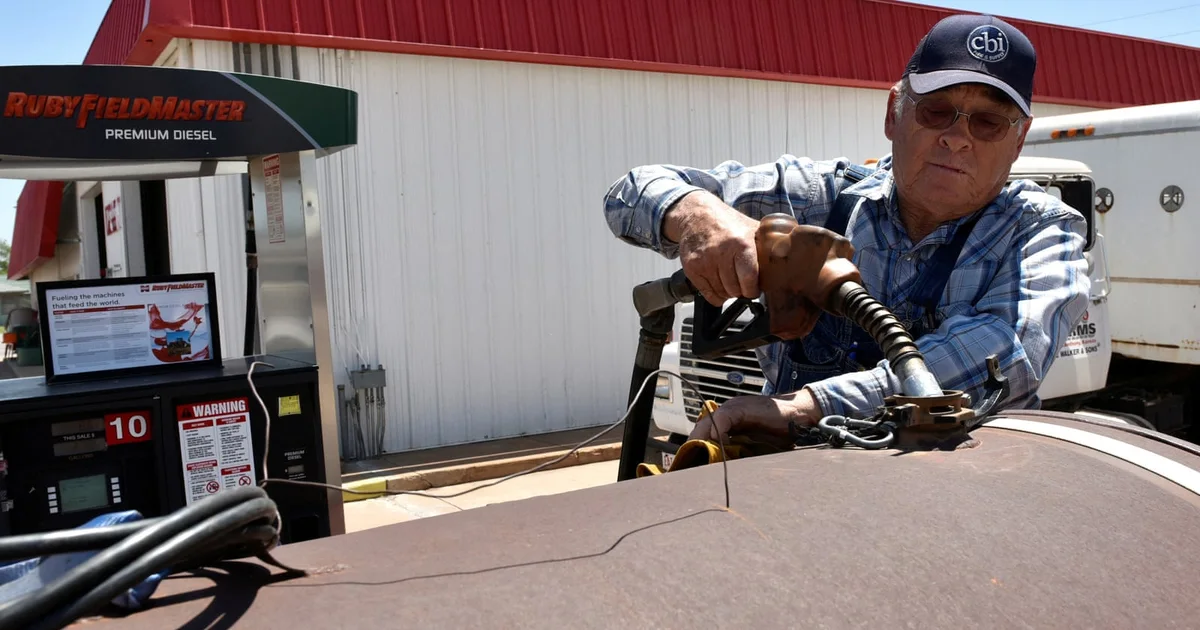
Gasoline remains the most visible channel because drivers feel the change before broader economic data catches up. A spike at the pump also moves through delivery costs, airline fares and business planning. The Iran conflict has made that pressure harder to isolate. Even when domestic demand is not surging, traders can price in supply risk, tanker delays and insurance costs. That creates an inflation impulse the White House cannot easily message away. The May number matters because it changes the tone around price stability. Inflation above 4% is not a small technical miss. It revives the fear that the disinflation trend has stalled just as voters were expecting relief.
Fed Rate Cut Hopes Narrow
The Federal Reserve was already cautious before the new data. A hotter inflation reading gives policymakers another reason to delay rate cuts, even if parts of the labor market are cooling. That creates an awkward tradeoff. Keeping rates high can restrain prices, but it also keeps mortgages, credit cards and business loans expensive. Cutting too early could make the central bank look complacent if energy keeps rising. Markets therefore have to price two risks at once: slower growth from high borrowing costs and another inflation wave from global energy disruption. That mix is especially difficult for households with little savings cushion.
The Political Cost of a Price Shock
Inflation is also a political test because it compresses complicated foreign policy into everyday bills. Voters may not follow every military development in the Persian Gulf, but they notice when commuting, groceries and utilities become more expensive.
Administration officials can point to external causes, yet that explanation has limits. The public usually judges inflation by lived experience, not by the origin of the shock.
The strategic issue is whether the Iran war becomes an economic story as much as a security story. If prices keep rising, Washington will face pressure to explain not only what the conflict is meant to achieve, but why households should carry part of the cost while the endpoint remains uncertain.
The most sensitive channel is expectations. If households and businesses begin to assume that fuel and transport costs will keep rising, wage demands, pricing decisions and inventory behavior can all shift before the shock is fully visible in official data.
That is why the Fed will look beyond the headline number. Officials will want to know whether the energy impulse is spreading into services, rents and core goods. A contained oil shock is one problem; a broader repricing cycle is another.
Airlines, trucking firms and retailers are the early warning points. If their costs stay elevated, the impact can move from fuel receipts into ticket prices, freight contracts and store shelves.
For the White House, the policy menu is narrow. Strategic petroleum releases, diplomatic messaging and pressure on domestic suppliers can soften the blow, but none of those tools can fully offset a prolonged regional conflict.
The next inflation reports will therefore carry unusual political weight. A single hot month can be explained as disruption. A second or third would make the Iran war feel like a direct household tax, even if no law changed in Washington.
That is why the story is not just about one CPI release. It is a test of whether wartime price pressure can be kept from hardening into a new inflation psychology.
The practical watchpoint is whether June fuel data confirms that risk. The price shock also has a timing problem for the White House because summer travel, cooling bills and grocery deliveries all make energy costs more visible. If oil-market anxiety lasts into July, households may feel the conflict through several bills at once. That would make the inflation story harder to separate from foreign policy. Bond traders will watch whether the data changes expectations for Federal Reserve timing. If rate cuts move further away, borrowing costs can rise even before consumers see relief at the pump.