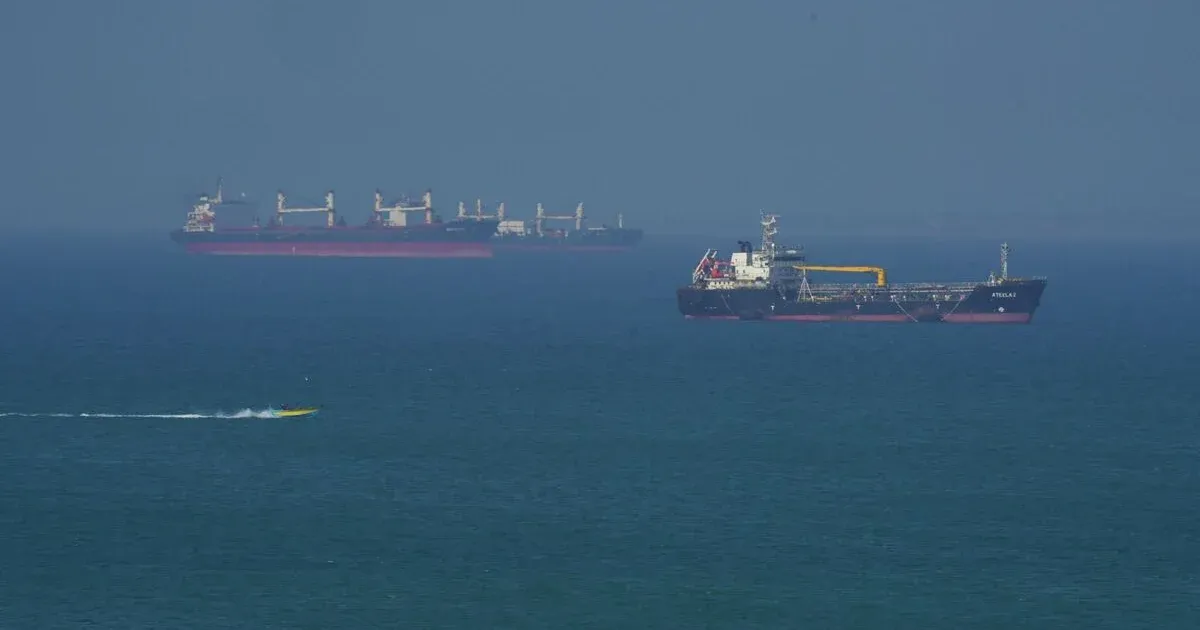
Brent crude moved back above $90 a barrel after the United States and Iran intensified attacks around a shipping route that carries a large share of global energy trade. At the session peak, the benchmark was 3.8% higher at $91.42, returning to territory last visited in June before surrendering part of the advance. West Texas Intermediate traded near $84 as investors attached a fresh disruption premium to barrels moving through the Gulf.
The price move followed a weekend in which vessels attempting to use the Strait of Hormuz were targeted and a major oil facility in Kuwait came under attack. Trading reopened on July 19, 2026, with Brent gaining more than 3%, while US stock-index futures were comparatively steady. The split showed that energy and interest-rate markets were absorbing the escalation faster than the broader equity market.
Brent Reprices the Weekend Escalation
The oil market had entered the weekend with some protection from the interim arrangement between Washington and Tehran. Iran's statement that the ceasefire had effectively collapsed removed part of that cushion. Neither the United States nor Iran needed to announce a formal blockade for traders to react; repeated attacks near tankers, export infrastructure and the strait were enough to raise the cost assigned to every vulnerable shipment.
Brent's 3.8% intraday rise was significant because it carried the benchmark through a widely watched round-number threshold. The level does not establish that buyers are unable to obtain crude, but it changes the price at which refiners, airlines, freight companies and governments must plan. A move that persists for several sessions can reach fuel contracts and transport budgets even if the first jump began as a risk premium.
Two measures kept the opening move from becoming a verdict on supply. Brent pared part of its gain after touching $91.42, and US equity futures did not register a comparable shock. Those responses suggest that traders were distinguishing between a more dangerous route and a confirmed loss of enough physical barrels to force emergency rationing. The distinction can narrow quickly if ship movements or production facilities suffer further damage.
Hormuz Risk Returns to the Inflation Channel
The Strait of Hormuz connects Gulf producers with customers in Asia, Europe and elsewhere. A tanker does not have to be struck for tension to affect its voyage: insurance, crew protection, scheduling and charter rates can all become more expensive when operators expect interruptions. An earlier warning over Hormuz had already put shipping recovery under strain; the latest attacks convert that warning into a more immediate operating cost.
Higher crude prices reach consumer inflation through several paths and on different timetables. Retail gasoline and diesel can respond first, followed by airfares, road freight and goods with energy-intensive production. Utilities and petrochemical users face separate contract structures, so the full effect is neither instant nor uniform. The relevant issue for central banks is whether a temporary energy jump changes wages, service prices or household expectations after the first fuel increase.
That transmission explains why the oil move carried a monetary-policy consequence beyond the commodity market. Policymakers can look through a short supply shock when underlying demand is weak, but a prolonged conflict reduces their room to ease borrowing costs. If businesses begin passing repeated fuel and freight increases into final prices, officials must weigh slower growth against inflation that remains above target.
Bonds Absorb the Rate Consequence
Government bonds weakened as oil advanced. US 10-year Treasury futures fell 7/32 during Asian trading, when the cash Treasury market was closed for a holiday in Japan. Australian and New Zealand government debt also declined. The common pressure was straightforward: a durable energy increase can delay rate cuts or force investors to accept higher yields as compensation for inflation risk.
The bond response matters to companies and households because yields influence financing well beyond the oil trade. Mortgage rates, corporate borrowing and public debt costs can remain elevated even when stocks avoid a sharp selloff. A conflict that lifts crude but does not immediately damage earnings can therefore tighten financial conditions through the rates market before it appears in headline equity indexes.
The Market Is Pricing Disruption, Not a Settled Shortage
The $90 Brent threshold is best read as a measure of renewed vulnerability. The available reports identify attacks, a threatened shipping corridor and damage risk around energy infrastructure, but they do not show that the world has already lost a fixed volume of supply for a defined period. Production data, tanker departures and refinery deliveries will determine how much of the premium becomes a lasting physical cost.
The next market test is whether ships continue to transit Hormuz and whether Kuwait's affected facility can operate without a material reduction in output. Those operational facts will carry more weight than another round of political claims. Stable departures and intact production would give traders room to remove part of the premium; repeated interruptions would push refiners to compete for alternative cargoes and could spread the price increase across regional benchmarks.
For economic policy, the danger lies in duration rather than the first session's percentage move. A brief spike would still hurt fuel buyers, but it would leave central banks and companies able to treat the event as temporary. A sustained energy and shipping premium would enter budgets, rate expectations and consumer prices at the same time. The oil market has not declared a shortage; it has raised the price of assuming that Gulf energy flows will remain uninterrupted.