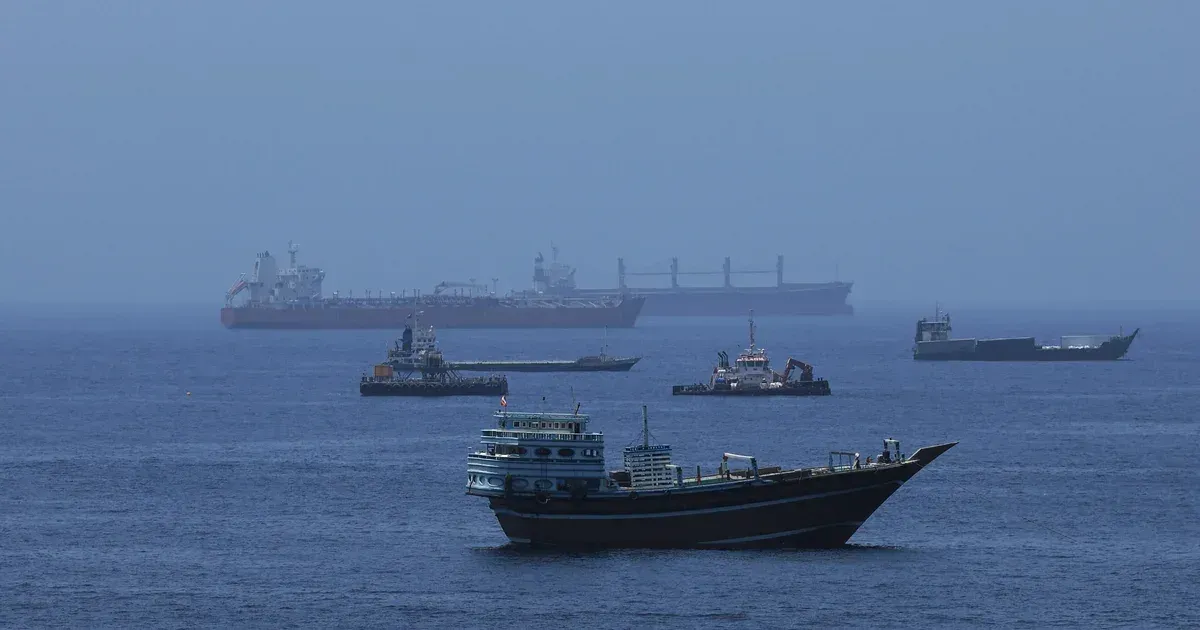
Iran has warned commercial ships against using unauthorized routes through the Strait of Hormuz, putting a fragile recovery in Gulf shipping back under pressure.
Iranian naval officials issued the warning on June 25, 2026, saying transits that bypass Tehran's approval were unacceptable and dangerous. The message lands at a sensitive moment for tanker operators, insurers and energy traders watching whether Gulf traffic can return to normal after weeks of regional tension.
The Strait of Hormuz is small on a map but enormous in market terms. Tankers carrying crude oil, refined products and liquefied natural gas move through the corridor every day, and even a limited disruption can ripple into freight rates, insurance premiums and consumer fuel prices.
Shipping Recovery Remains Vulnerable
Recent signs of resumed traffic helped calm oil markets, but Iran's warning shows how quickly that confidence can weaken. A shipowner deciding whether to cross the strait is not only judging physical danger; it is also weighing legal exposure, insurance coverage, crew safety and the chance of delay or detention.
That calculation becomes harder when states dispute which routes are acceptable. If ships follow routes favored by outside powers, Tehran may view the move as a challenge to its authority. If they seek Iranian approval, operators may face political or commercial pressure from customers that want predictable, neutral transit.
The immediate market question is whether the warning changes behavior. If traffic continues, oil prices may treat the statement as part of the region's background risk. If more vessels slow, reroute or wait offshore, traders will start pricing the possibility that Gulf logistics are not normalizing as quickly as hoped.
Insurance is the quiet pressure point. War-risk premiums can rise before any physical incident occurs, and higher coverage costs can make some cargoes less attractive. Smaller operators are especially exposed because they have less flexibility to absorb delays or pay for more expensive cover.
That pressure can spread through the market in uneven ways. Large energy companies can often shift schedules, use longer contracts or lean on established insurers, while independent charterers may face faster price changes and tighter documentation demands. A warning that looks diplomatic on the surface can therefore become a day-to-day operational problem for crews, brokers and refiners. Tracking data will also matter because the recovery is partly psychological. If vessels keep moving at normal speeds and anchorage queues do not grow, the industry can argue that the warning has not changed the real risk picture. If ships begin clustering outside the waterway, even temporarily, the signal to traders will be that confidence has weakened.
Tehran Is Testing Control Of The Corridor
Iran's language is also strategic. By warning against unauthorized passage, Tehran is asserting that it retains leverage over the most important maritime chokepoint in the Gulf. That message is aimed at shipowners, but it is also aimed at Washington, regional governments and oil buyers.
The United States and its partners have a different interest: keeping the waterway open enough that Iran cannot use shipping uncertainty as a permanent source of pressure. That tension creates a narrow operating space in which every naval warning, escort plan or tanker incident can carry market significance.
For Gulf producers, the issue is not only today's cargo. Reliability is part of the value of their exports. If buyers believe the route is becoming unpredictable, they may demand discounts, diversify supply or seek longer-term alternatives through pipelines and storage strategies.
The warning also complicates naval signaling. Escort operations can reassure some operators, but they can also raise the political temperature if Iran views them as a challenge. A lighter posture may avoid escalation, yet it can leave companies feeling that they are carrying more of the operational risk themselves.
What Comes Next For Oil Markets
The next signal will be behavioral rather than rhetorical. Tanker tracking, port schedules, insurance quotes and freight rates will show whether shipping companies treat Iran's warning as a serious operational constraint.
If transit remains steady, the market may absorb the warning without a large price move. If vessels pause or naval activity rises, the Strait of Hormuz risk premium can return quickly, even without a formal blockade or direct attack.
For oil buyers, the concern is not simply whether cargoes arrive. It is whether arrival times, freight costs and replacement options become harder to plan. Refineries can manage short delays, but repeated uncertainty forces buyers to build more slack into supply chains, and that slack has a price.
That makes war-risk insurance and tanker behavior the clearest early indicators. A sharp rise in premiums, more ships waiting for instructions or a visible increase in naval messaging would all suggest that the warning is becoming more than a statement.
That is why the warning matters beyond the Gulf. Energy markets do not need a full shutdown to become unstable; they only need enough doubt to make cargo timing, insurance and replacement supply harder to price. Iran has just reminded traders that the route's recovery is conditional, not guaranteed.