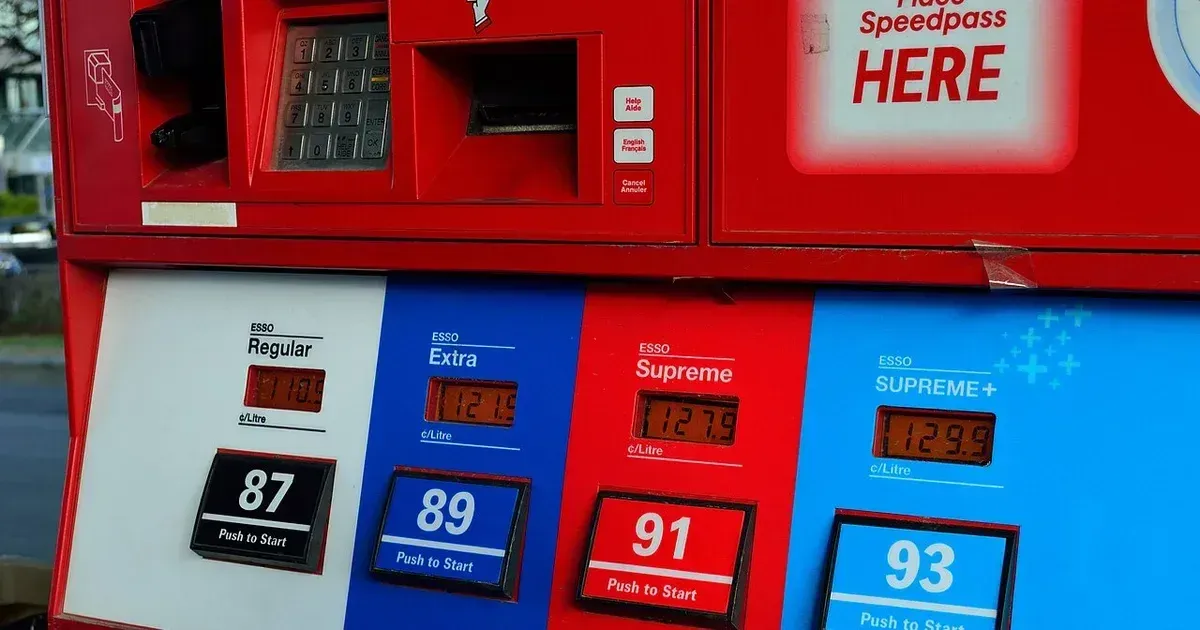
US fuel prices moved sharply higher as the military conflict with Iran disrupted global energy markets. Drivers across the country are facing a substantial financial burden at the pump while geopolitical tensions continue to stress supply chains. Reports on May 20, 2026, indicate that the average price for a gallon of regular gasoline has reached $4.50.
Domestic energy costs moved higher when hostilities intensified in the Middle East earlier this spring. Analysts at CBS News and other major outlets have tracked a steady climb in retail prices since the first missile barrages. Total costs per gallon have surged by $1.50 since the start of the war, erasing the relative stability seen during the winter months.
Families are forced to reallocate household budgets to accommodate the rising cost of transportation and freight. Retailers have observed shoppers pulling back on discretionary items to cover the expense of their daily commutes. Spending on non-essential goods like electronics and clothing has dipped as the price of a full tank of gas exceeds $70 for many standard sedans.
Oregon Voters Overturn State Gas Tax Hike
Voters in Oregon delivered a clear message to state leadership during recent elections by rejecting a planned increase in the state fuel tax. Democratic lawmakers passed the measure last year with the intent of funding large infrastructure projects. Rising costs associated with the overseas conflict shifted public opinion against the additional levy during the primary voting window.
The measure, known locally as House Bill 2093, was a foundation of the legislative session last autumn. It sought to address a $400 million shortfall in the state transportation budget by adding a six-cent-per-gallon surcharge. Critics argued the tax was regressive and would disproportionately harm lower-income residents who cannot easily transition to electric vehicles or public transit.
Election results show a broad coalition of urban and rural residents opposed the higher tax. Opposition groups argued that the timing of the increase would have compounded the inflation already battering local economies. The rejection effectively halts a multi-year plan to raise revenue through pump fees.
Legislators now face a major budget gap for highway maintenance and public transit initiatives. State records indicate the tax was expected to generate millions in annual revenue. Without this funding, several planned bridge repairs and road expansions may face indefinite delays.
"The national average for a gallon of gasoline has been ticking up since the start of the war with Iran," according to a market analysis published by CBS News.
Memorial Day Travel Faces Cost Pressures
Millions of travelers preparing for the Memorial Day holiday weekend are reconsidering their plans as prices hold at the $4.50 mark. Travel organizations typically expect record-breaking numbers during the unofficial start of summer. Current economic conditions suggest many families may choose shorter routes or stay home to avoid the peak costs.
Consumers are turning to digital tools and loyalty programs to shave cents off the total price at the dispenser. Fuel rewards applications have seen a surge in downloads as commuters look for any possible reprieve. Beyond digital coupons, people are modifying their driving habits by carpooling more frequently and reducing speed on highways to improve fuel efficiency.
Geopolitical Strain on Energy Supplies
Petroleum reserves are being monitored closely by federal energy officials. Stockpiles have fluctuated as shipping lanes in the Persian Gulf face ongoing threats from military action. Supply chains remain vulnerable to further disruption if the conflict spreads to neighboring oil-producing regions like Saudi Arabia or Kuwait.
Military analysts monitoring the Strait of Hormuz report that insurance premiums for oil tankers have quadrupled over the last thirty days. These financial pressures are passed directly to the consumer at the pump. While the United States produces a substantial portion of its own energy, the global nature of crude pricing ensures that domestic markets react to international instability.
Local gas stations are also seeing a change in consumer habits. Station owners report that customers are buying less fuel per visit and opting for basic maintenance rather than premium services. These shifts reflect a broader trend of defensive spending across the domestic economy.
Market Impact
Strategic energy reserves provide only a temporary cushion against the systemic shocks of a prolonged regional war. Sustained prices above the $4.00 level typically act as a brake on consumer spending, which accounts for nearly 70 percent of the American economy. If fuel costs do not retreat by the fourth quarter, the risk of a technical recession increases sharply.
Investors are shifting capital toward energy producers and defense contractors while rotating away from retail and hospitality stocks. Transportation sectors, including trucking and logistics, are passing these costs through to consumers via fuel surcharges. This wider effect ensures that even those who do not drive feel the impact through higher grocery and retail prices.
Crude oil futures continue to trade with a high volatility premium. Market participants are pricing in the possibility of a total blockade in the Strait of Hormuz. Such a development would likely push the national average toward the $6.00 mark, a level never sustained in the history of the American energy market.