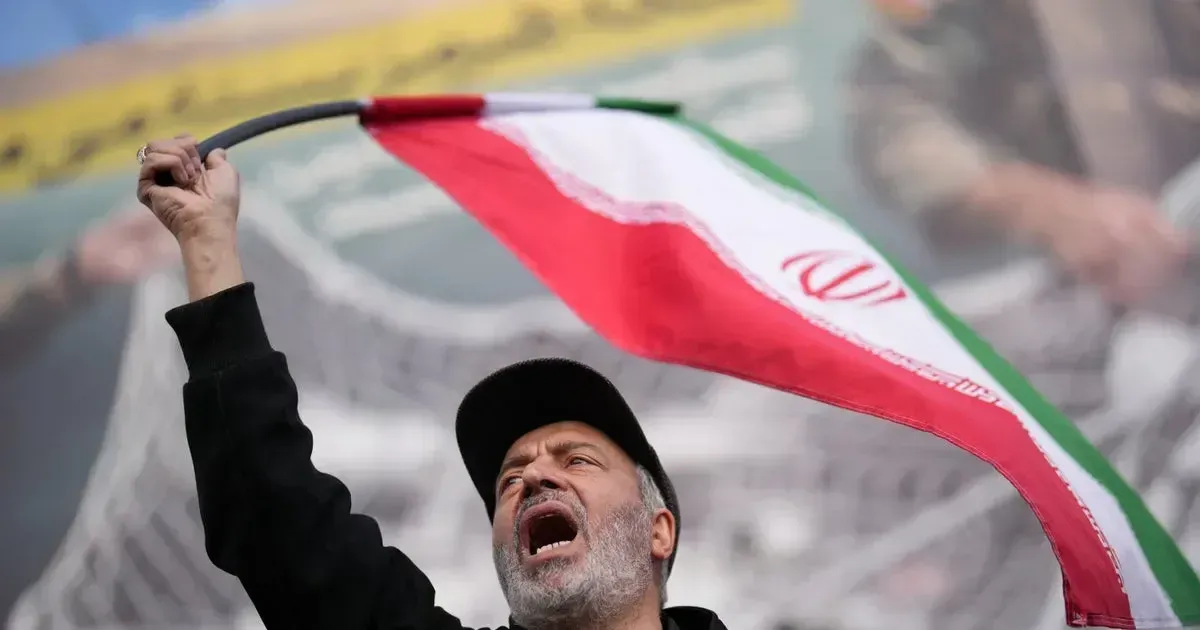
The United States and Iran have agreed to a two-week truce meant to reopen the Strait of Hormuz, but the arrangement is narrower than the regional crisis around it. Shipping access may improve before the political conflict is actually settled. Israel's position also makes clear that every front is not covered by the same pause. Pakistan is expected to host follow-up talks. On April 8, 2026, the truce took shape as energy markets watched the waterway closely. The complication is that Israel and Hezbollah-related tensions remain on a separate track.
Pakistan Brokered Agreement Halts Persian Gulf Escalation
Pakistan played a central role in enabling the communication between Washington and Tehran throughout the high-pressure deadline window. Diplomatic cables suggest that the Pakistani government leveraged its unique position as a regional power with ties to both Western and Middle Eastern interests. The two-week window allows for a cooling-off period while technical experts draft a framework for maritime de-escalation. Military forces in the region received orders to stand down from offensive postures at 12:00 p.m. local time.
Global leaders expressed cautious relief as the threat of a naval blockade began to recede. The Iranian government insisted that its willingness to negotiate did not signal a change in its fundamental foreign policy. Instead, Tehran viewed the truce as a way to avoid the immediate kinetic strikes threatened by the American presidency. Security experts noted that the threat to Iranian civilization was a major factor in the sudden shift in diplomatic tone.
Markets Rally in Seoul and London on Diplomacy News
Market participants reacted with immediate enthusiasm to the news of the de-escalation. In South Korea, the KOSPI index spiked nearly 7 percent as investors moved back into equities following weeks of uncertainty. Seoul is particularly sensitive to Persian Gulf tensions due to its heavy reliance on imported crude oil. Other Asian markets followed suit with Nikkei and Hang Seng futures showing similar upward paths.
Oil prices dropped sharply in London and New York after the announcement confirmed the Hormuz transit agreement. Brent crude futures fell by more than $12 per barrel within the first hour of trading. Analysts, however, noted that the two-week timeframe creates a volatility floor because the long-term risk of a renewed blockade has not vanished. Energy firms are currently recalculating their shipping insurance premiums based on the temporary nature of the truce.
Israel Excludes Lebanon Operations From Regional Truce
Israeli Prime Minister Benjamin Netanyahu clarified the scope of the ceasefire shortly after the trilateral announcement. He emphasized that the agreement between the United States and Iran does not extend to ongoing Israeli military operations in Lebanon. Jerusalem remains committed to its security objectives regardless of the pause in Gulf hostilities. This distinction ensures that the northern front remains active even as the naval blockade ends.
Israeli defense officials confirmed that air operations and border patrols will continue at their current intensity. The exclusion of the Lebanese theater suggests that the ceasefire is narrowly focused on the maritime crisis and the direct U.S.-Iran confrontation. While Washington coordinated the deal with Israeli leadership, the specific terms did not mandate a cessation of activities against regional proxies. Tactical units on the border have not seen any change in their operational directives.
Benjamin Netanyahu said the truce deal does not include Lebanon.
Naval assets from several nations monitored the Gulf as the first commercial vessels moved through the strait without interference. This temporary arrangement hinges on both sides adhering to strict rules of engagement. Any deviation from the agreed-upon transit paths could void the entire Islamabad framework before it begins. Command centers in Doha and Manama reported no maritime incidents in the first six hours of the ceasefire.
Financial institutions in the City of London reported high trading volumes as the ceasefire news reached Western desks. Confidence in the stability of global supply chains increased as the prospect of a prolonged energy crisis diminished. Traders remain focused on the Friday meetings in Pakistan for clues regarding the duration of the safe passage agreement. The current rally reflects a removal of the immediate war premium from global assets.
Tehran has not yet responded officially to the exclusion of Lebanon from the truce terms. Previously, Iranian officials had called for a thorough regional de-escalation that would include all active conflict zones. The separation of the Hormuz crisis from the Lebanese situation is a diplomatic victory for the Israeli cabinet. It allows Jerusalem to maintain military pressure while its primary ally focuses on the shipping corridor crisis.
Monitoring the ceasefire will involve a complex array of satellite surveillance and maritime patrols. Neutral observers from Pakistan and other non-aligned nations may participate in the verification process. The goal is to ensure that no mining operations or naval harassment occurs during the 14-day window. If the safe transit of tankers continues without incident, the Islamabad talks will proceed into more sensitive political territory.
Diplomats are arriving in the Pakistani capital to prepare for the Friday summit. The agenda includes discussions on oil export quotas, maritime sovereignty, and the status of frozen assets. Both sides have sent high-level representatives, indicating that the two-week pause is being treated with substantial importance. Failure to reach a secondary agreement during these talks would likely lead to a resumption of the previous hostilities.
A Narrow Truce Leaves Wider Risks
A narrow truce can still reduce danger if it keeps ships moving and prevents accidental escalation. It cannot, however, settle every conflict connected to Iran's regional network. That is the diplomatic weakness in the agreement. The Gulf may get a pause, but Lebanon, Israel and allied militias can still pull the crisis back into motion if their separate front remains active.