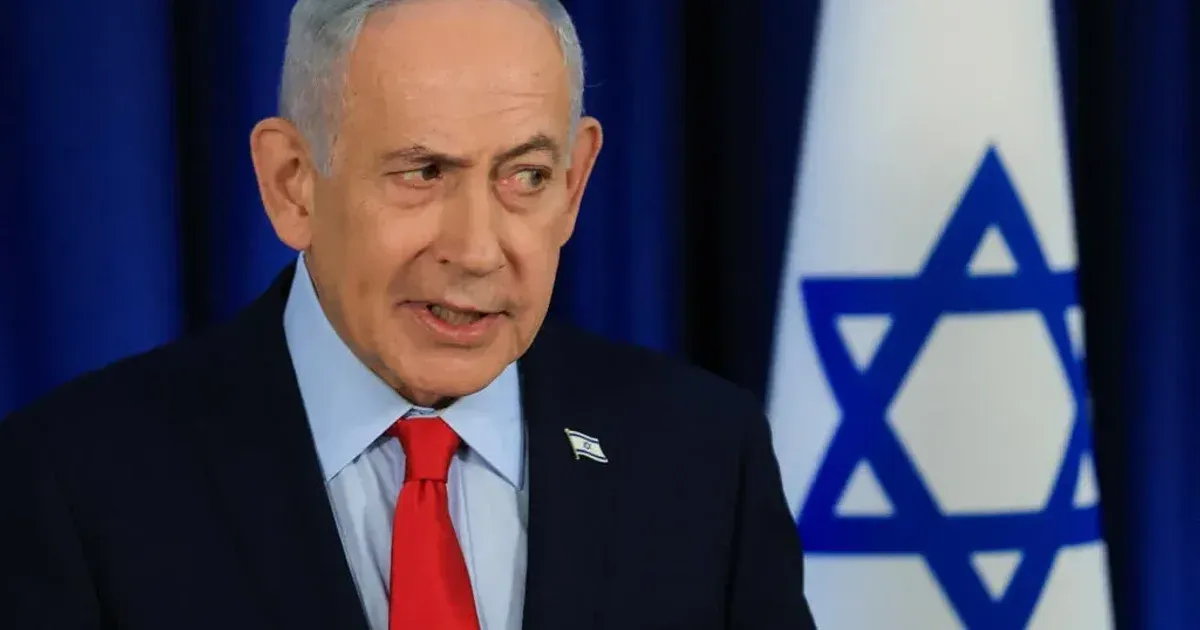
Benjamin Netanyahu's claim that the U.S.-Iran truce does not include Lebanon exposes a central weakness in the diplomatic pause. Washington and Tehran may be trying to cool one front, but Israel is insisting that Hezbollah remains a separate and active threat. That distinction limits how much one negotiation can calm the region. It also keeps the northern border on a separate clock. On April 8, 2026, the statement came as Pakistan prepared to host talks meant to keep the wider conflict from expanding. By excluding Lebanon, Netanyahu kept Israeli military options open along the northern border.
Islamabad Summit and the Pakistani Mediation Effort
Islamabad is the focal point for the upcoming negotiations scheduled for the end of the week. Pakistani officials spent several months positioning themselves as neutral arbiters between the Western coalition and the clerical leadership in Tehran. Recent reports from Islamabad suggest that the agenda will focus on maritime security and the limitation of ballistic missile testing. Successful mediation by a non-Arab Muslim power provides a unique bridge that previous European efforts failed to establish. Success in these talks depends heavily on whether the two-week timeline can be extended into a durable framework.
Washington paused its kinetic options late Tuesday night after the Pakistani proposal gained traction within the National Security Council. Officials in the U.S. administration viewed the Islamabad summit as a final opportunity to avoid a direct confrontation with Iran. Previous escalations in the Persian Gulf had pushed insurance rates for shipping to record highs.
By accepting the Pakistani invitation, the United States signaled a preference for containment over active bombardment. Pakistan is betting its regional prestige on the success of the Friday meeting. The tactical situation has escalated as Israeli troops cross the Lebanon border to target Hezbollah positions.
Military Continuity Along the Lebanon Border
Hezbollah fighters continue to exchange fire with Israel Defense Forces across the Blue Line despite the news from Islamabad. Benjamin Netanyahu told his Cabinet that the Iranian ceasefire does not grant immunity to the group's leadership or its missile storage facilities. Israeli intelligence suggests that Hezbollah has consolidated its assets after the U.S.-Iran deal. Jerusalem views the group as a separate entity for the purposes of engagement rules. Military planners argue that any pause in Lebanon would be exploited by militants to fortify tunnel networks near the border.
Northern Command units received orders to maintain high alert status throughout the duration of the Islamabad summit. Benjamin Netanyahu cautioned that Hezbollah must not mistake the U.S.-Iran truce for a regional umbrella. Israeli citizens in border towns remain in shelters, awaiting a resolution that specifically addresses the threat from Radwan forces. Defense officials pointed out that the Lebanese state has little control over the militia's decision-making process. Israel therefore treats the Lebanese theater as a standalone conflict that operates under its own set of escalatory triggers.
Strategic Tension Between Washington and Jerusalem
White House officials expressed hope that a success in Pakistan would naturally lead to a broader regional cooling. Benjamin Netanyahu appears to have rejected this assumption, creating a potential rift in allied strategy. While Bloomberg suggests that U.S. officials were briefed on the Lebanese exclusion, reporting by Reuters indicates the Pentagon was surprised by the bluntness of the prime minister's announcement. Discrepancies in these accounts highlight the difficulty of managing a multi-front war with divergent national interests. Jerusalem fears that Washington might trade Israeli security concessions for an Iranian nuclear freeze.
Pentagon planners shared the Islamabad framework with Israeli counterparts only hours before the public announcement. Internal memos indicate that the United States prefers a thorough regional pause to enable the safe passage of merchant vessels. Israel, by contrast, prioritizes the immediate removal of Hezbollah's precision-guided munitions. These competing priorities complicate the diplomatic path forward for the secretary of state. Any rift between the two allies could provide Tehran with leverage during the Friday negotiations.
Hezbollah issued a statement through its media wing shortly after the Prime Minister's remarks. The group asserted that it remains an integral part of the regional resistance axis and will not be sidelined by bilateral deals. Analysts in Beirut believe the exclusion of Lebanon might actually provoke Hezbollah into a preemptive escalation. By targeting Israeli infrastructure, the group could attempt to force its way into the Islamabad negotiations. Tehran often uses its proxies to test the resolve of the international community during sensitive diplomatic windows.
Lebanese authorities find themselves in an unstable position as the state lacks the power to enforce its own sovereignty. Beirut remains caught between the military ambitions of Hezbollah and the retaliatory strikes of the Israeli Air Force.
Government ministers in Lebanon have called for a unified ceasefire that covers all territories, yet their influence in Washington and Tehran remains minimal. Financial instability in Lebanon further limits the country's ability to withstand a prolonged military campaign. The exclusion mentioned by Netanyahu ensures that Lebanon remains the primary battlefield for regional proxy competition.
Future stability in the Levant hinges on the outcome of the Islamabad talks and the subsequent Israeli response. If the two-week truce holds, the U.S. might pressure Israel to reconsider its stance on the northern front. Benjamin Netanyahu shows no sign of yielding, citing the safety of displaced Israeli families as a non-negotiable priority. Military analysts expect the coming days to be characterized by intense kinetic activity as both sides seek to establish new facts on the ground. Peace in the Gulf does not guarantee peace in Galilee.
One Truce Cannot Cover Every Front
A ceasefire that covers one front can still reduce regional risk. It cannot, however, solve the proxy problem if major actors define the battlefield differently. That is the challenge for Islamabad and Washington. A pause with Iran may lower pressure in the Gulf, but it will not hold the region steady if Lebanon remains an open theater.