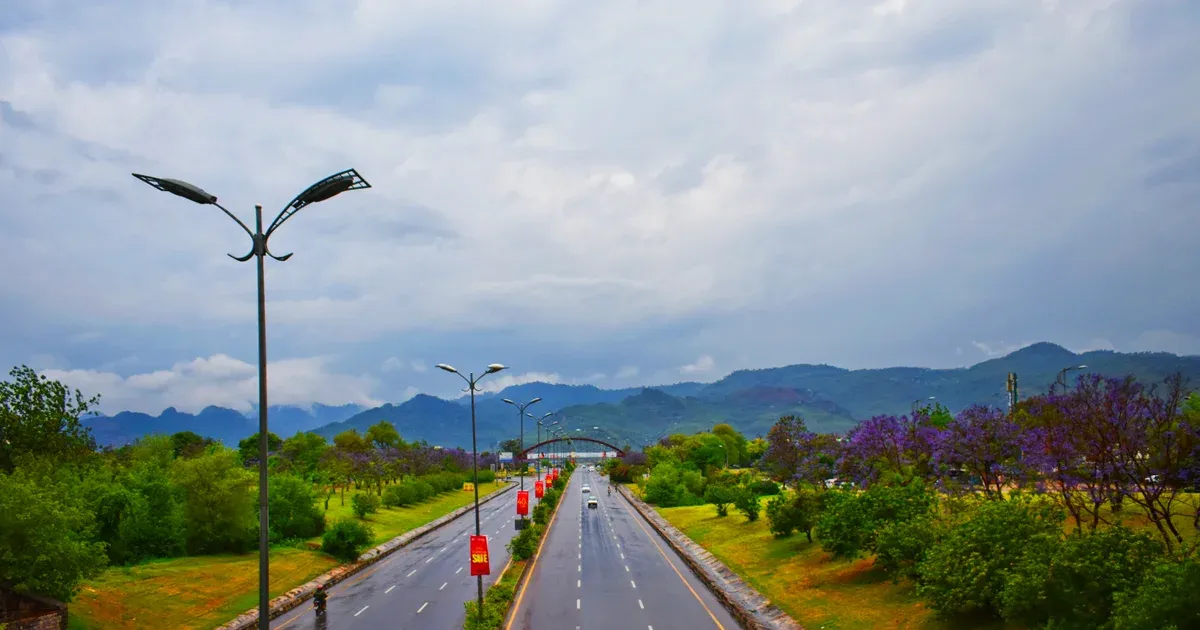
Islamabad welcomes delegations from the United States and Iran for a diplomatic summit designed to prevent a regional war. Pakistan Prime Minister Shehbaz Sharif categorized the gathering as a make-or-break moment for international security. Negotiators arrived at a fortified compound in the capital city under a 14-day ceasefire agreement. While Washington and Tehran have not communicated directly in months, the presence of their senior diplomats suggests a temporary willingness to delay a broader escalation. The delegations arrived in Islamabad on April 11, 2026.
Shehbaz Sharif pushed for this meeting after private communications with leaders in Beijing and Riyadh. His administration faces internal pressure to stabilize a region where trade routes have been severed by naval blockades. Regional stability depends on whether Pakistan can convince both parties to extend the current pause in hostilities. Diplomacy in the South Asian nation has historically been a bridge between the West and the Islamic Republic during periods of extreme tension.
Security forces have locked down the diplomatic enclave to prevent disruptions from local protesters or foreign intelligence operatives. Tehran sent a team led by veteran negotiators who previously managed the 2015 nuclear file. Washington dispatched a special envoy authorized to discuss maritime security and sanctions relief. Failure to reach a consensus could lead to the immediate resumption of long-range missile exchanges.
Pakistan Enables Critical Maritime Security Dialogue
Pakistan’s ambassador to the United States said weeks of intense diplomatic efforts led to a shared commitment from all sides to attend. He noted that the logistical hurdles of hosting two hostile powers required months of back channel coordination. Success for the Pakistani delegation involves securing a commitment to keep the Strait of Hormuz open for neutral shipping. Empty tankers are currently idling in the Gulf of Oman as they wait for safety guarantees.
Economic data from the region shows a 40 percent drop in trade volume since the naval blockade began. Pakistan feels the impact through rising energy costs and delayed infrastructure projects. Islamabad remains one of the few capitals with functioning embassies in both Washington and Tehran. This unique position allows Pakistani officials to relay messages that would otherwise be lost in the noise of public threats.
Ambassadors from the European Union are observing the proceedings from a distance. They hope for a breakthrough that restores the flow of liquefied natural gas to the continent. By contrast, military analysts suggest the ceasefire is merely a tactical pause for both sides to rearm. Iran has reportedly moved mobile missile launchers closer to its southern coast during the two-week lull.
Strait of Hormuz Stalemate and Regional Violence
Ceasefire conditions have paused United States and Israeli strikes on Iranian soil, but the Strait of Hormuz is still closed to most commercial traffic. Iran maintains that the waterway will stay shut until its own oil exports are cleared for international markets. Washington refuses to lift maritime restrictions until Tehran ceases its support for regional militias. The deadlock has turned the Persian Gulf into a naval graveyard of seized vessels and debris.
Israel continues its bombing campaign in Lebanon despite the pause in direct strikes on Iran. Reports indicated that these operations target command centers and weapons caches near the border. Tehran views the continued bombardment of its allies as a violation of the spirit of the Islamabad talks. United States officials claim the Lebanon operations are distinct from the bilateral agreement with Iran.
Pakistan’s Prime Minister Shehbaz Sharif has described the upcoming U.S.-Iran talks in Islamabad as “make or break” for the region.
Negotiators must reconcile these conflicting military realities within the next 48 hours. If the ceasefire expires without an extension, the United States has authorized its carrier strike groups to resume patrols in the Gulf. Iran warned that any encroachment into its territorial waters will meet a devastating response. Peace hinges on a technical definition of neutral shipping zones that both navies can accept.
Shehbaz Sharif and the High Stakes of Mediation
Pakistan’s Prime Minister believes the collapse of these talks would trigger an irreversible slide into a continental conflict. Shehbaz Sharif has staked his political reputation on the success of the Islamabad summit. He met with Iranian representatives for three hours on the eve of the official start date. Pakistani officials describe the mood inside the meeting rooms as professional but extremely cold.
Washington and Tehran representatives are currently occupying separate wings of the same government building. Pakistan is the physical and metaphorical buffer between the two sides. Each delegation receives briefings from Pakistani mediators who shuttle between the rooms with translated documents. Direct face-to-face meetings are not yet on the schedule for the first round of discussions.
External actors like Russia and China are monitoring the Islamabad summit with high interest. Beijing has offered to provide satellite monitoring for any proposed demilitarized zone in the Persian Gulf. Moscow has provided Iran with advanced radar systems that could detect stealth aircraft if the ceasefire fails. Every move in Islamabad is being scrutinized by intelligence agencies across the globe.
The central question is whether the Islamabad summit will prevent a war or serve as a choreographed delay while both sides prepare for escalation. Historical precedent suggests that middle-power mediation rarely solves deep ideological animosity between a superpower and a regional hegemon. Pakistan is playing a dangerous game by positioning itself as the guarantor of a deal it lacks the military might to enforce. Shehbaz Sharif is gambling that the fear of total economic collapse will outweigh the desire for military dominance in both Washington and Tehran.
This diplomatic theater masks a grimmer reality on the ground. The Strait of Hormuz closure is an act of economic warfare that the United States cannot tolerate indefinitely. Iran, meanwhile, views its control over the waterway as its only leverage against a crushing sanctions regime. A 14-day ceasefire is a bandage on a gunshot wound. Unless these talks produce a concrete plan for maritime freedom, the April 11 gathering will be remembered as the final failed attempt at peace before a decade of fire. Credibility in Islamabad is currently a currency with no gold backing. Missile exchanges could resume the moment the diplomats leave the tarmac.