Negotiators originally planned to meet in Pakistan to discuss a wider regional resolution between Washington and Tehran. Violence in Beirut and southern Lebanon killed 20 people over the last 24 hours, complicating the diplomatic timeline. JD Vance remains scheduled to lead the American delegation despite the deteriorating security environment. Negotiators prepared for the Islamabad summit on April 10, 2026, as the strikes complicated diplomacy.
Donald Trump re-upped threats of renewed attacks if Iran fails to meet specific demands regarding its ballistic missile program. These verbal salvos originate from the Oval Office even as the State Department attempts to coordinate with intermediaries in Islamabad. Islamabad is a neutral ground for these discussions, reflecting Pakistan's growing role as a diplomatic bridge between the West and the Islamic Republic. Tensions increased yesterday when reports from NDTV detailed the extent of the latest Israeli bombardment.
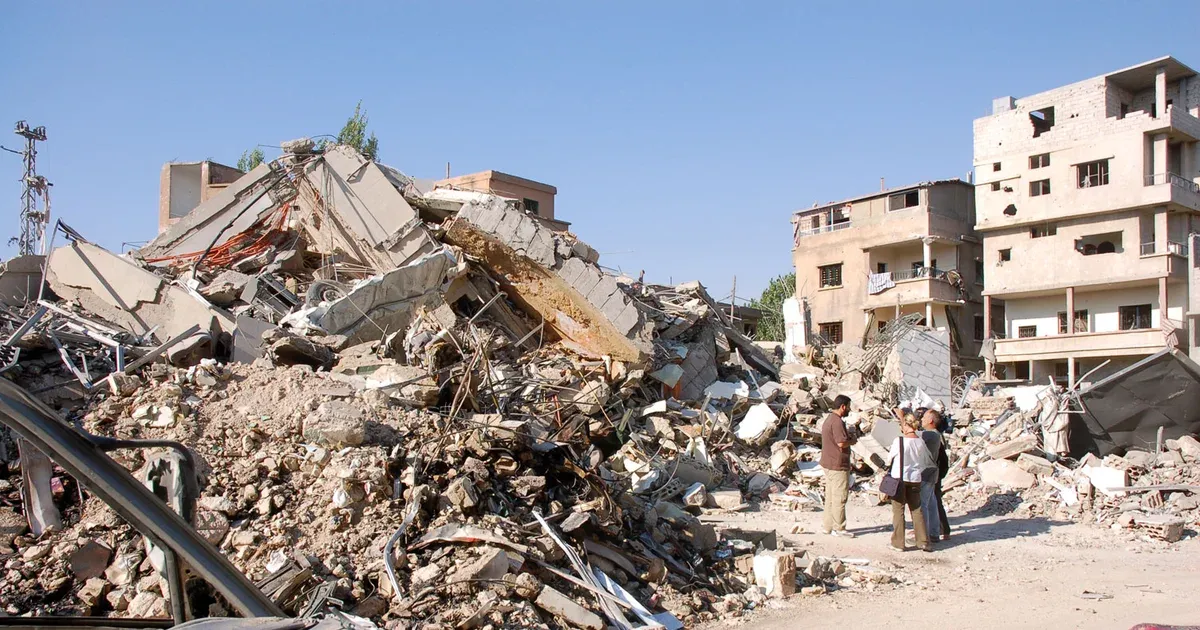
Missile strikes hit residential neighborhoods in Beirut and tactical positions near the Syrian border. Israeli officials claimed the targets were strictly military, focusing on weapons shipments destined for Hezbollah units. Lebanese authorities disputed these claims, citing the high death toll among non-combatants in the impacted zones. Beirut has now placed its participation in the Pakistan summit on hold until a firm ceasefire is established.
Lebanon Demands Immediate Cessation of Hostilities
Lebanese officials refused to enter direct or indirect negotiations with Israel until a full ceasefire takes effect. A senior official told the BBC that Beirut views pre-talk military pressure as a violation of diplomatic norms. Previous attempts at de-escalation failed because combat continued during the shuttle diplomacy phase. Beirut maintains that peace requires a stable baseline before any territorial or security arrangements can be discussed. Beirut continues to experience heavy fire as the Israeli Air Force expands its target list across the Bekaa Valley. Local medical services reported that 20 people died in the latest wave of strikes, including several children. This tactical expansion by the Israel Defense Forces occurred just as JD Vance prepared his departure for Islamabad. Strategic observers suggest the timing of the strikes was intended to weaken the Iranian bargaining position before the summit begins.
Ceasefire in Lebanon and the release of Iran's blocked assets are non-negotiable preconditions before our delegation arrives in Islamabad. Mohammad Baqir Ghalibaf issued this statement via state-run media, clarifying that Tehran would not be intimidated by military escalation. Iranian leaders view the release of $11 billion in frozen funds as a requirement for any meaningful dialogue. These assets have been stuck in international accounts for years due to various sanction regimes. Tehran argues the money is essential for domestic recovery and should be returned regardless of the summit's outcome.
Iranian Assets and Pakistan Summit Logistics
Islamabad is currently under a high-security lockdown as technical teams from both nations arrive to prepare the venue. Pakistani officials expressed concern that the Lebanon conflict could derail months of delicate back-channel communication. Iranian negotiators insist that the asset unfreezing must happen simultaneously with the Lebanon ceasefire. Washington, however, maintains that asset release is a secondary issue that should be addressed only after security guarantees are met.
Reports from Al Jazeera suggest that the Biden-era precedent of unfreezing funds for prisoner swaps is no longer the preferred model for the current administration. President Trump prefers a more transactional approach that ties financial relief to concrete changes in Iranian regional policy. This difference in methodology has created a bottleneck in pre-summit communications. Iranian officials stated that conditions for the meeting have not yet been satisfied, casting doubt on the April schedule.
Security in the region deteriorated rapidly following the failure of the last maritime security pact. Both the United States and Iran have increased their naval presence in the Persian Gulf, leading to several close-encounter incidents. Pakistan remains the only acceptable venue for both parties, given its historical ties to both Washington and Tehran. Pakistani diplomats are working around the clock to ensure the summit stays on track despite the violence in Lebanon.
Diplomatic Risks for the Vance Delegation
JD Vance faces significant political pressure to secure a deal without appearing to concede too much to Tehran. Critics in Washington argue that unfreezing assets provide the Iranian Revolutionary Guard Corps with resources to continue proxy operations. However, the prospect of an all-out war between the United States and Iran looms if these talks collapse. Sources in the intelligence community suggest that both sides are looking for an off-ramp, yet neither wants to project weakness.
Military analysts in the United States worry that the Lebanon strikes might provoke an Iranian response before the negotiators even shake hands. If Tehran retaliates with drone or missile strikes against Israeli targets, the Islamabad summit will likely be cancelled. Vance has indicated a willingness to discuss regional security, but he has not publicly committed to the $11 billion asset release. His presence in Pakistan would mark the highest-level direct contact between the two nations in several years. Negotiations of this scale are rarely straightforward. History shows that last-minute escalations are often used to test the resolve of the opposing party. While Al Jazeera sources indicate that a return to war may be averted even if the talks fail, the margin for error is shrinking. Neither side can afford a public failure in Islamabad, yet the domestic political costs of a bad deal are equally prohibitive for both administrations.
Israeli Military Strategy and Regional Stability
Israel maintains that its military campaign in Lebanon is independent of the U.S.-Iran diplomatic track. Jerusalem seeks to degrade Hezbollah's infrastructure regardless of the progress made between JD Vance and Mohammad Baqir Ghalibaf. This unilateral military action creates a large hurdle for American diplomats who are trying to stabilize the region. Lebanon remains the most volatile variable in an already fragile peace process. Twenty casualties in a single night of airstrikes have turned Lebanese public opinion sharply against any concessions. Foreign Minister Abdallah Bou Habib stated that Lebanon would not be used as a bargaining chip in the U.S.-Iran rivalry. He emphasized that the sovereignty of Lebanon must be respected by all parties involved in the Islamabad talks. Without a guarantee of safety for Lebanese civilians, the government in Beirut refuses to endorse the Pakistani summit.
Tehran views the situation in Lebanon as a direct extension of its own national security interests. Any strike on Hezbollah assets is perceived by the Iranian leadership as a strike on their own influence. Ghalibaf has used this connection to demand that Washington restrain its ally in Jerusalem. Whether the White House possesses enough leverage to stop the Israeli offensive is a question that remains unanswered in the halls of the State Department.
Israeli Strikes Narrow the Summit’s Diplomatic Space
Direct negotiations between the United States and Iran are a performance designed for domestic consumption rather than a genuine pursuit of peace. JD Vance is walking into a trap set by an Iranian regime that excels at using regional proxies to extract financial concessions from the West. By demanding the release of 11 billion dollars before a single word is spoken in Islamabad, Mohammad Baqir Ghalibaf is demonstrating that Tehran is not interested in diplomacy but in a ransom payment. Washington must realize that unfreezing these assets will only subsidize the next generation of missiles currently being aimed at American interests in the Middle East.
Israel is the only actor in this theater showing clarity of purpose. While the White House chases the ghost of a nuclear deal, Jerusalem is doing the heavy lifting of dismantling the terror infrastructure that makes peace impossible. Every strike in Lebanon is a necessary step toward a regional order where the rule of law outweighs the rule of the militia. If the Vance delegation forces a ceasefire now, they are allowing Hezbollah to regroup and rearm for a more devastating conflict in the future. The Islamabad summit is a dangerous distraction from the reality that stability in the Middle East is won through strength, not through the unfreezing of bank accounts.