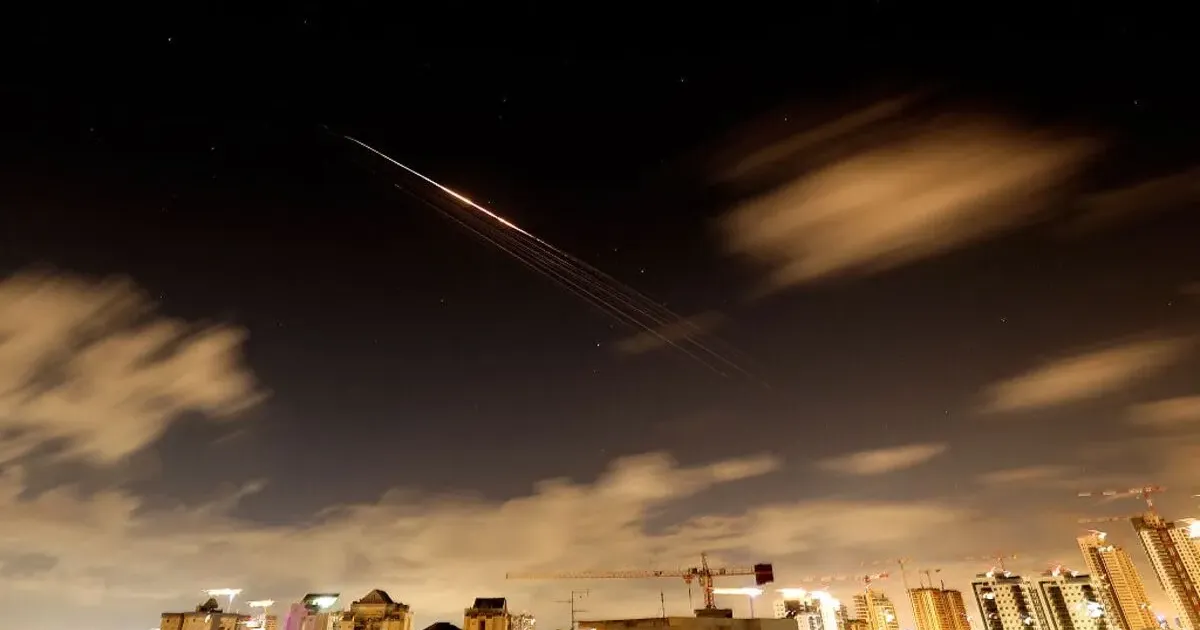
American troops reached the Middle East to reinforce air defense, logistics and naval coordination as the Houthi threat expanded. On March 29, 2026, commanders described the move as a defensive measure meant to protect personnel, trade routes and regional partners. The deployment adds U.S. personnel to a conflict environment already shaped by Israeli strikes, Iranian retaliation and Red Sea insecurity.
Deployment orders originated from the Pentagon earlier this month to ensure that United States interests remain shielded from escalating drone and missile threats.
Israeli fighter jets conducted high-altitude strikes against military infrastructure in Tehran over the weekend. Evidence from satellite imagery shows damage to several industrial sites linked to the production of solid-fuel rocket engines. Pilots successfully navigated through Iranian air defense systems, returning to base after completing one of the most complex long-range sorties in the history of the Israel Air Force. Reports indicate the bombardment targeted the Parchin military complex and other facilities belonging to the Islamic Revolutionary Guard Corps. Strikes coincide with an increase in rhetoric from Iranian officials who have vowed to continue the war until their regional objectives are met.
Yemen Houthi Forces Launch Transnational Strikes
Houthi militants in Yemen shifted from intermittent harassment of shipping to full-scale military involvement on March 28, 2026. Fighters launched a coordinated wave of munitions toward targets in the northern and western directions, signaling a change in their operational posture. Previous actions by the group were limited to the Red Sea, but the latest maneuvers demonstrate a willingness to engage in the broader regional power struggle. Intelligence officials suggest the group received advanced telemetry data to assist in navigating these long-range strikes. Weapons used in the attack included several variants of the Samad-series loitering munitions and Quds cruise missiles.
Sanaa remains the central command hub for these operations. Leaders of the Houthi movement stated their entry into the war was a response to the ongoing Israeli campaign against Iranian territory. This alignment creates a multi-front challenge for Western planners attempting to contain the violence. Analysts at the International Institute for Strategic Studies note that the Houthis possess enough stockpiles to maintain a high tempo of fire for several months. Their inclusion in the war requires a reallocation of naval resources from the Mediterranean to the Bab el-Mandeb strait.
Israel Air Force Targets Iranian Capital Assets
Precision-guided munitions struck key logistics centers in the Iranian capital during the early hours of Sunday. Israel maintains that these operations are defensive in nature, designed to preempt further missile barrages from the Iranian interior. Damage assessments reveal the destruction of radar arrays and electronic warfare units that provided coverage for the city's southern approaches. Tehran residents reported hearing large explosions that shook buildings across several districts. Iranian state media downplayed the severity of the damage, claiming their air defenses intercepted the majority of incoming projectiles.
Warfare in the fifth week has evolved into a repetitive cycle of strike and counter-strike. Neither side appears ready to seek a diplomatic off-ramp as the damage to infrastructure mounts. Iranian officials have prioritized the protection of their nuclear facilities, though the latest Israeli strikes focused strictly on conventional military manufacturing. The psychological impact of the sirens in Tehran has prompted a partial evacuation of non-essential government personnel. Israeli officials have signaled that no site remains off-limits if the Houthi attacks continue to originate from Iranian-supplied stocks.
Saudi Arabia Air Defense Systems Intercept Drones
Royal Saudi Air Defense Forces successfully engaged and destroyed 11 drones that entered their airspace on Sunday. These unmanned aerial vehicles originated from Yemen and were traveling on a trajectory toward both Israeli and Saudi targets. Batteries of Patriot missiles and localized short-range defenses neutralized the threats before they could impact populated areas or energy infrastructure. Saudi Arabia remains in an unstable position, attempting to defend its borders while avoiding direct kinetic involvement in the Israel-Iran war. Debris from the interceptions fell in uninhabited desert regions, causing no reported casualties or damage to oil facilities.
Interception data suggests the drones were programmed with sophisticated waypoint navigation to bypass traditional radar pickets. This tactical shift forces Saudi commanders to maintain a constant state of high alert across their southern and western sectors. The kingdom has invested heavily in integrated air defense networks over the last decade, and these systems are now facing their most rigorous combat test. Military cooperation between the US and the Saudi government has intensified to provide real-time satellite tracking of launch sites. Riyadh has not yet issued a formal protest to Sanaa regarding the violation of its sovereign airspace.
US Deployment Logistics and Regional Strategy
Pentagon officials confirmed that the newly arrived troops will manage advanced missile defense batteries and provide logistical support for naval task forces. These personnel are being stationed at various bases throughout the region to provide a redundant layer of protection for American embassies and assets. Logistics chains have been established to ensure a steady supply of interceptor missiles for the Protection-equipped destroyers patrolling the Red Sea. Naval vessels are currently operating under heightened rules of engagement to counter the Houthi threat. The arrival of these forces marks the largest US surge in the Middle East since the early stages of the previous decade.
Defense Secretary Lloyd Austin has coordinated with regional partners to ensure the deployment does not trigger further escalation. Military analysts suggest the presence of American boots on the ground is a physical deterrent against a ground invasion or huge drone swarms. The US has also deployed additional squadrons of F-15E Strike Eagles to provide close air support if necessary. Command and control centers are now operating on a 24-hour cycle to synchronize the activities of the different national militaries involved. Funding for this operation was approved through an emergency congressional oversight committee earlier this year.