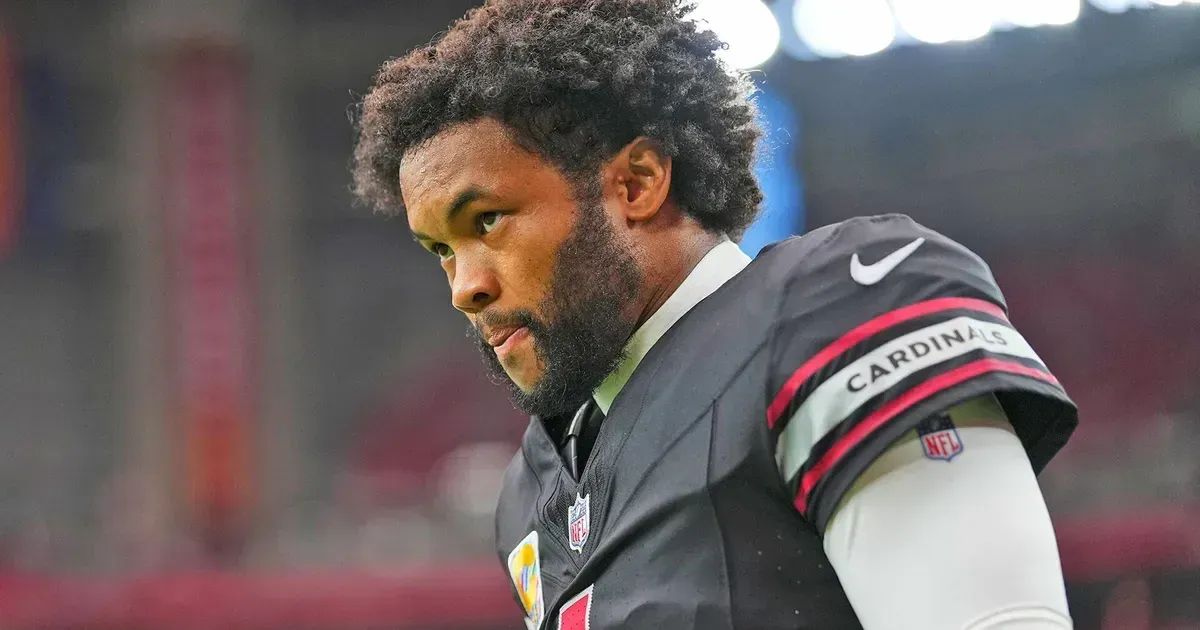
Minnesota's move for Kyler Murray is less a routine quarterback signing than a full roster bet. The Vikings are paying for mobility, improvisation and a shorter path back to contention. The deal also signals that the league's quarterback market is still climbing. The signing turns Minnesota's quarterback search into a full roster bet around mobility, improvisation and immediate contention. Front offices across the league watched the negotiations closely as the legal tampering period transitioned into official signings. Contracts signed during this window frequently dictate the competitive ceiling of franchises for the next half decade. Murray replaces a rotating cast of bridge starters who failed to maximize an offensive unit featuring some of the most expensive pass-catching talent in the NFC. Sources close to the deal indicate the contract includes major guarantees structured to protect the team against future lower body injuries. The total value of the deal reached $265 million over five years. General managers rarely find dual-threat starters of this caliber on the open market. Head coach Kevin O'Connell has spent months advocating for a quarterback capable of extending plays outside the pocket. In Arizona, Murray struggled to find consistency behind a porous offensive line, but the infrastructure in Minnesota offers a different environment. The team recently upgraded its interior blocking to accommodate a more mobile scheme. This transition marks the first time since the early 2010s that the Vikings have invested so heavily in a non-traditional pocket passer. Minnesota offensive coordinators have already begun tailoring a plan that uses read-option concepts and designed rollouts.
Minnesota Bets on Murray
These elements were largely absent from their previous offensive iterations. The pressure to perform is immediate. Analysts from multiple networks point to the lack of draft capital remaining for the Vikings after they moved up to secure defensive depth in previous years. They are now officially in a win-now mode that leaves no room for a developmental curve. Murray took his physical at the team facility late Tuesday evening. Team officials framed Murray as the dual-threat presence the offense has lacked since the peak of the previous decade.
Winning becomes a mandatory requirement when a front office commits a quarter of a billion dollars to a single player. Management believes the move stabilizes a locker room that had grown weary of offensive inconsistency. Meanwhile, the Arizona Cardinals are left with a major dead cap hit and a glaring void at the most important position in professional sports. Their strategy involves a complete teardown and a focus on the 2027 draft class. They have already started shopping veteran defenders to recoup some of the value lost in the Murray era.
Arizona officially designated the quarterback as a post-June 1 cut to spread the financial burden across two seasons.
Free Agency Money Moves to Pass Rushers
Free agency trackers indicate a major flight of capital toward the defensive interior and edge rushing positions. While quarterbacks dominate the headlines, the secondary market for sack specialists has reached a fever pitch. Three different pass rushers signed deals exceeding $25 million per year within the first six hours of the signing period. Teams like the Jaguars and Lions have prioritized disruptive front fours to counter the rising tide of mobile signal callers in their respective divisions.
Contract Structure Carries Risk
The 2026 class is particularly deep at defensive tackle, leading to a cluster of mid-tier signings. Several offensive tackles found themselves in bidding wars that exceeded initial projections by 15 percent. According to league salary data, the average salary for a starting left tackle has now crossed the $23 million threshold. For instance, the New York Jets outbid two AFC rivals to secure a veteran blindside protector for their aging superstar. That deal includes a major signing bonus meant to lower the immediate cap hit. Most teams are using void years to push the financial reckoning into the late 2020s.
Roster turnover reached 35 percent for half of the AFC East teams by Wednesday night. Skill position players saw a different trend. Wide receivers in the second tier of the top 100 list struggled to find the long-term security they sought. Many were forced to accept one-year prove-it deals as teams focused their resources on the trenches. The top three receivers on the board broke records for guaranteed money at the position.
These outliers do not represent the broader reality for veteran players. Most experienced players are finding that the middle class of the NFL is shrinking in favor of a stars and scrubs roster construction. League officials set the 2026 salary cap at $310 million, a figure that reflects surging media rights revenue and international expansion profits. This increase of nearly $35 million from the previous season allowed several cash-strapped teams to remain competitive in the free agent market. Even with the expanded budget, teams are finding it difficult to balance multiple high-priced contracts.
The Kyler Murray deal alone consumes nearly 20 percent of the Vikings' available space. Such a heavy concentration of wealth necessitates a reliance on rookie-scale contributors in the secondary and on special teams. Financial flexibility disappeared for twenty teams within the first four hours of the legal tampering period. Scouts are now under more pressure than ever to find late-round gems who can play meaningful snaps. The disparity between the highest-paid players and the league minimum earners has never been wider. Some franchises have opted for a more conservative approach.
Murray Deal Tests the Roster Math
The Baltimore Ravens and Pittsburgh Steelers remained largely quiet during the initial frenzy, preferring to wait for the second wave of cuts. These organizations often find value in veteran leaders who are released for cap reasons rather than performance declines. Their patience is a calculated risk in a league that rewards immediate aggression. Revenue sharing models have kept the floor high for all teams, but the actual spending varies wildly. Owners in smaller markets are increasingly using cash over cap strategies to lure talent away from traditional powerhouses.