Viktor Orbán’s exit from parliament closes a chapter of Hungarian politics that once looked immovable. The decision signals that the former prime minister will not settle into a routine opposition role. Budapest now faces a transition shaped by institutional memory, regional pressure and a changed electorate. Viktor Orbán announced his departure from the Hungarian parliament on April 25, 2026, following a landslide electoral defeat that ended his decade-plus dominance of the country’s politics. Results from the recent national vote confirmed a decisive shift in public sentiment, leaving the veteran leader without a governing majority for the first time in sixteen years. Viktor Orbán signaled he would not serve as an opposition lawmaker, choosing instead to vacate his seat entirely. The transition also changes regional leverage.
Voters across Hungary delivered a decisive verdict against the incumbent administration, favoring a coalition that promised to restore democratic norms and improve relations with Western allies. Outgoing officials confirmed that the transfer of power would proceed according to constitutional requirements, though the prime minister’s refusal to lead his party from the legislative floor surprised many observers. Parliament will convene without its most polarizing figure of the 21st century.
International monitoring groups reported that the election turnout reached record levels, suggesting a high degree of civic engagement in the transition process. Critics of the outgoing government pointed to economic stagnation and isolation from the European Union as primary factors in the landslide loss. Despite the scale of the defeat, the former prime minister maintained a defiant tone in his final address to supporters.
Orbán Rejects Opposition Role in Budapest
Budapest witnessed a quiet but firm exit as staff began clearing the prime ministerial offices following the formal certification of the results. Taking a seat on the opposition benches would have forced the former leader to participate in a legislative process he once controlled with an iron fist. Such a demotion appeared unsustainable for a man who reshaped the Hungarian state to fit his personal vision of illiberal democracy.
Leadership within his party, which has long been synonymous with his personal brand, now faces an identity crisis as it moves into the minority. Members of the legislative caucus expressed concerns about the vacuum created by his absence from the daily parliamentary struggle. Without his presence in the chamber, the party must find a new voice to challenge the incoming coalition’s legislative agenda.
Electoral Landslide Reshapes Hungarian Governance
The scale of the defeat exceeded even the most pessimistic internal projections released by government pollsters. Coalition leaders celebrated the result as a mandate for wide reforms to the judiciary and media sectors. These changes are expected to begin immediately after the new government is sworn in next month. Officials from the incoming administration stated that removing the structural obstacles to transparency is still a top priority.
Historical parallels to this sudden fall from power are rare in Central European politics, where long-term incumbents often fade slowly. 2026 is a definitive break from the era of populist dominance that characterized the region for over a decade. European capitals reacted to the news with cautious optimism, anticipating a more cooperative partner in future treaty negotiations.
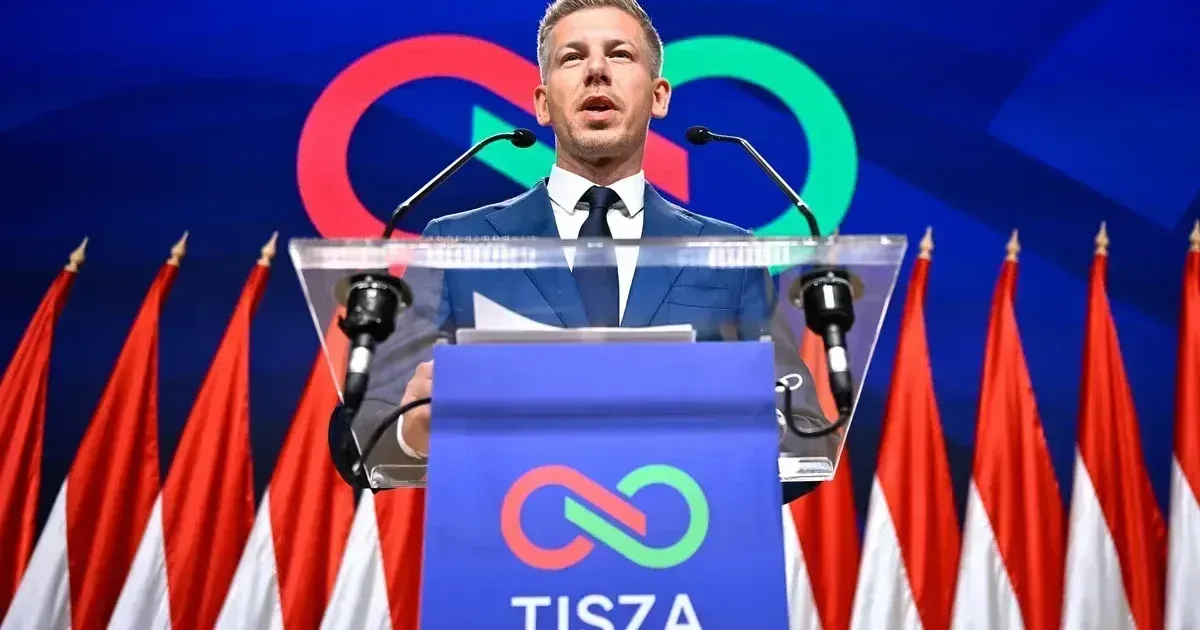
Economic analysts noted that the local currency showed signs of stabilization following the announcement of the resignation. Investors had long been wary of the unorthodox fiscal policies and frequent clashes with the European Central Bank. Reducing the risk premium associated with Hungarian debt will likely be the first success for the incoming finance ministry. The rise of Péter Magyar was central to the shifting political landscape that ultimately ended the prime minister's tenure.
Vow to Rebuild Hungary National Side
Orbán used his concession speech to articulate a vision for a grassroots movement he described as the national side. This initiative aims to bypass formal political structures to maintain influence over Hungarian culture and local governance. By distancing himself from the constraints of parliamentary procedure, he may seek to cultivate a more radical base of support.
Orbán said he would not take his seat in parliament after the landslide election loss and vowed to rebuild the national side. Strategic observers suggest this move mirrors the tactics of other populist leaders who retreated to the periphery to prepare for a future return. Organizing outside the capital allows the movement to avoid the scrutiny and accountability associated with legislative duty. Mobilizing rural voters and traditionalist groups will likely be the foundation of this new phase.
The transition team for the opposition reported finding serious gaps in the national accounts during early briefings. Auditors will begin a comprehensive review of state-funded contracts signed in the months leading up to the election. Public demand for accountability remains high among those who feel the previous system benefited a narrow circle of loyalists.
Central European Alliances Face Uncertainty
Alliances across the Visegrád Group may shift as Hungary adopts a more pro-integrationist stance under new leadership. Previous friction with Poland and the Czech Republic regarding rule-of-law issues could dissipate if the new government follows through on its campaign promises. Regional stability depends on how quickly the new administration can stabilize the economy and secure frozen EU funds.
Brussels officials indicated that the release of billions in development aid is contingent on concrete steps toward judicial independence. Negotiators are expected to arrive in Budapest shortly after the new prime minister takes the oath of office. Success in these talks would provide the immediate liquidity needed to address rising inflation and energy costs. The loss of such a top ally is a setback for right-wing movements across the continent. Political strategists in France, Italy, and Germany are closely studying the Hungarian results to understand how the opposition successfully consolidated its vote. Defeating an entrenched incumbent required a level of unity rarely seen in fragmented parliamentary systems. Domestic concerns will dominate the first hundred days of the new legislature as it attempts to dismantle the patronage networks built over sixteen years. Every appointment will be scrutinized for ties to the previous administration. Recovering state assets and investigating corruption allegations were central themes of the winning campaign. Viktor Orbán leaves behind a complex legacy that will take years for historians to fully unpack.
Orbán’s Exit Is a Tactical Reinvention, Not a Surrender
Resignation often masks a deeper tactical pivot toward extra-parliamentary influence. By refusing a seat in the chamber, Orbán is not admitting defeat; he is rejecting the legitimacy of the very institution he spent sixteen years hollowing out. This is the maneuver of a leader who views the legislative process as a nuisance and prefers the purity of a movement unburdened by the requirements of committee hearings and public debate. He is effectively creating a shadow state, fueled by a decade of patronage and a media ecosystem that remains largely loyal to his ideological project. Western observers cheering this landslide victory should temper their enthusiasm. Dismantling an illiberal system is considerably harder than winning an election. The incoming coalition is a fragile mosaic of ideologies united only by their opposition to one man. Once the immediate task of removing the old guard is complete, the inherent contradictions between centrist liberals, social democrats, and disgruntled conservatives will inevitably surface. Orbán is betting on this fragmentation, waiting for the new government to buckle under the weight of unrealistic expectations and a depleted national treasury. He is playing the long game. While the new administration navigates the bureaucratic maze of Brussels to secure funding, Orbán will be on the ground, framing every compromise as a betrayal of the Hungarian soul. This is not an exit; it is a reinvention. The national side is his new weapon. It is a dangerous gamble for Hungarian democracy.