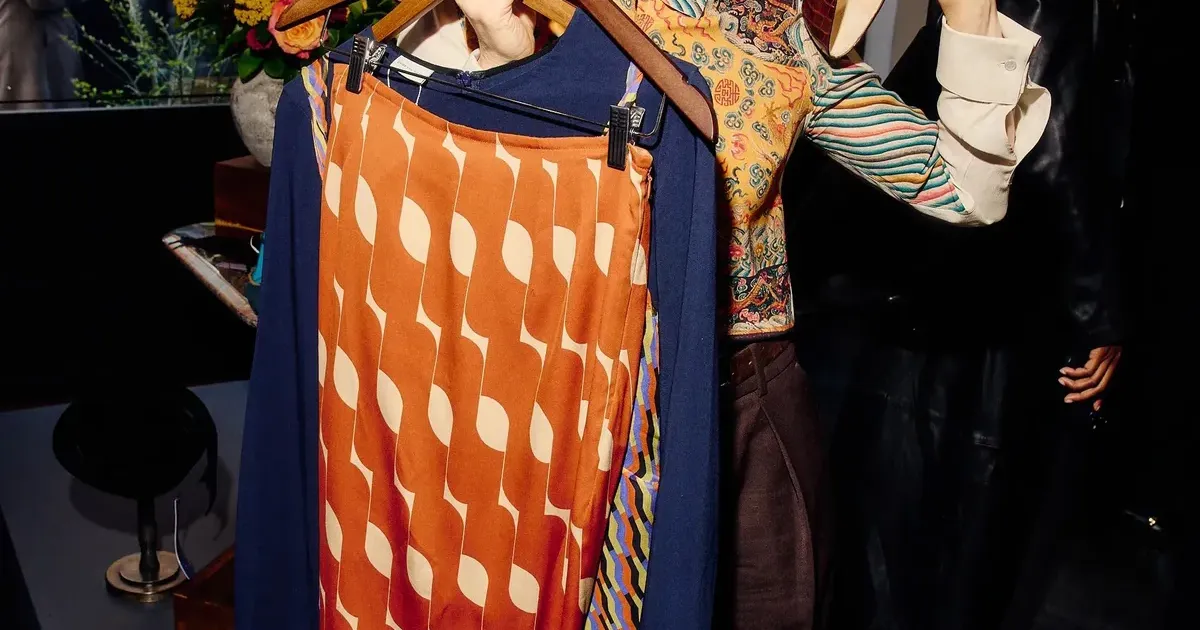
Vogue editors' vintage-market picks worked because they were not presented as costume pieces. They were scarves, Levi's 505 jeans, trench coats, designer bags and accessories that could move directly into a working wardrobe. That is the reason archival fashion keeps gaining ground: the strongest vintage buy does not need to look like a museum object. It needs to solve a present-day dressing problem better than a new item does.
The Vogue Vintage Market feature highlighted pieces such as an authentic Celine silk scarf, vintage denim, spring outerwear and designer accessories sourced through resale channels. The broader message was clear. Second-hand shopping has moved from the margins of fashion taste into the editorial center, not as thrift novelty but as a serious alternative to new-season luxury.
The Best Vintage Buys Are Specific
Vintage shopping rewards buyers who know the category they are hunting. A silk scarf, a straight-leg pair of Levi's, a trench with the right drape or a structured leather bag is easier to judge than a vague search for something iconic. Specificity keeps nostalgia from doing all the work.
Specificity is why the Vogue list felt practical. It did not treat vintage as a mood board. It treated it as wardrobe engineering. The age of a piece matters less than whether the fabric, fit, scale and condition still make sense now. Old does not automatically mean good. Durable, wearable and repairable are the real tests.
Accessories Are the Cleanest Entry Point
Scarves, belts and bags often make the easiest first vintage purchase because they do not demand a perfect body fit. A silk scarf can change a plain coat, a vintage belt can sharpen denim, and an older bag can bring texture that many current-season accessories try to imitate.
Accessories also carry the archive visibly. A scarf print, logo placement, clasp, leather patina or hardware shape can signal era without taking over the entire outfit. That is useful for readers who want personality but not full retro styling. One good accessory can make a modern wardrobe feel less flat.
Denim and Outerwear Do the Real Labor
Vintage denim remains powerful because wear can be value rather than damage. A good pair of older Levi's 505 jeans, for example, can have a wash, weight and shape that new distressed denim tries to simulate. The fit still has to work, but the appeal is not imaginary. The fabric often tells the truth.
Outerwear has the same logic. A trench, coat or jacket from a stronger production period can anchor a wardrobe for years if the seams, lining, buttons and fabric still hold up. That is where sustainability becomes practical. Buying less only matters if the thing bought can survive repeated use.
Condition Beats Label Worship
The vintage market can punish shoppers who chase names without inspecting objects. A famous label does not fix weak stitching, cracked leather, odor, altered proportions or repairs that cannot be undone. For online resale, measurements, photos, return policies and seller credibility matter as much as brand history.
Authentication also matters, especially with designer bags and accessories. Editorial enthusiasm can make the hunt look effortless, but the buyer still has to check provenance, materials and condition. A lower price is not automatically a bargain if the item needs expensive repair or sits unworn because the fit is wrong.
New Luxury Has to Defend Itself
The harder fashion point is that archival shopping pressures new luxury. If an older piece feels better made, more personal and more reasonably priced than a new item, the new item has to justify itself with more than branding. That is uncomfortable for brands that raised prices while consumers became more alert to fabric quality, construction and resale value.
Vogue editors are not rejecting fashion spending. They are redirecting attention toward pieces with memory, utility and a longer life. That shift changes trend authority. Instead of telling readers only what arrived this season, editors are also showing how to recognize what lasted. Vintage is charming, but the sharper reason it is growing is simpler: in a market full of expensive sameness, the archive can offer better fabric, better character and sometimes better value.