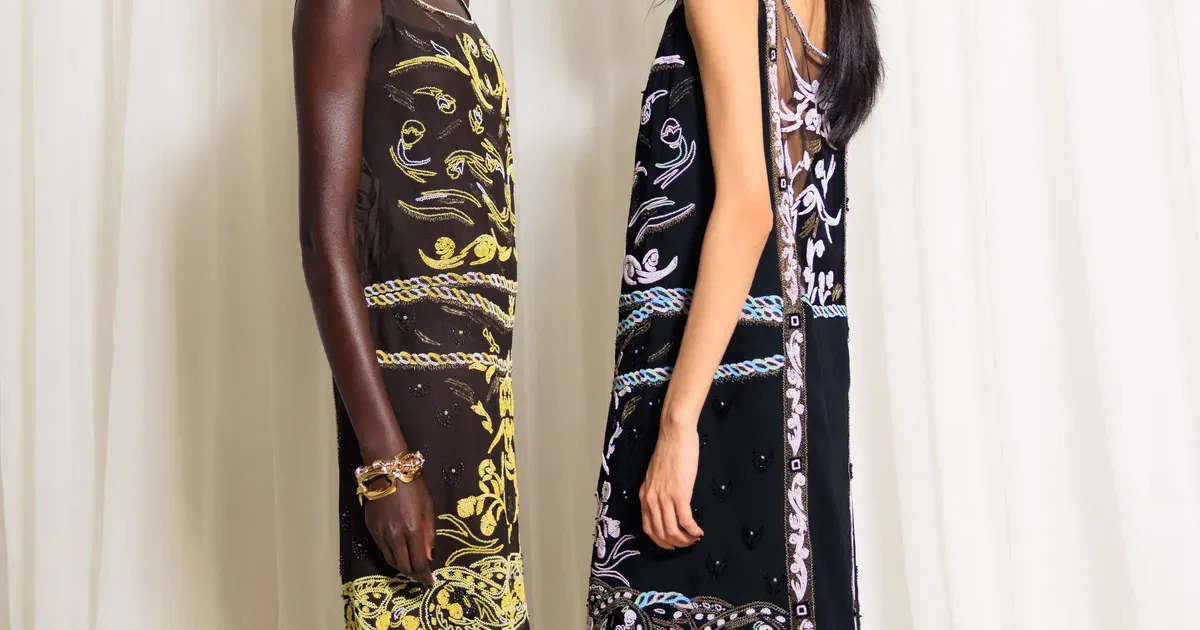
Vogue First's 24-hour Tory Burch shopping window showed how luxury fashion is shortening the distance between runway attention and retail action. Vogue readers received early access to shop the first installment of Burch's Spring 2026 collection before wider store availability, turning editorial attention into a timed commercial event.
The move was small in duration and large in signal. Luxury fashion still depends on scarcity, taste and storytelling. But the old delay between runway image, magazine interpretation and store rack is shrinking. Readers see the look, understand the styling and can be pushed toward purchase before the mood fades.
The Runway Became A Checkout Funnel
The old fashion calendar relied on distance. A collection appeared, editors interpreted it, buyers placed orders and consumers waited. Digital audiences weakened that rhythm. They watch runway clips in real time, save images, follow stylists and expect a path from desire to purchase.
Vogue First fits that new loop. It does not make the whole collection broadly available at once. It creates a narrow access point, which lets the brand preserve some exclusivity while learning which pieces make readers act rather than simply admire.
The Tory Burch Offer Had Product Substance
Vogue's feature described 39 looks from Burch's Spring 2026 collection, shown at Sotheby's at The Breuer in New York. The edit leaned into wearable polish: knit polos with folded collars, ribbed bodysuits, pleated drop-waist skirts, off-the-shoulder jersey maxis, evening dresses, net totes, shell pendants and Art Deco-inspired jewelry.
A 24-hour window only works if the product earns urgency. Early access pasted onto weak merchandise feels like pressure. Early access around a clear collection story can feel like privilege.
Data Now Sits Beside Taste
The commercial value is not only immediate sales. Saves, clicks, sign-ups, abandoned carts and sell-through can tell Vogue, Tory Burch and retail partners which looks have energy. The resulting data can shape reorders, styling emphasis, newsletter placement and future drops.
This does not mean designers are simply obeying metrics. It means the business side has more evidence earlier. Luxury brands once waited longer to learn what consumers would actually buy. Now a controlled window can test appetite while the runway story is still warm.
Media Platforms Become Gateways
For Vogue, the model moves fashion media closer to commerce. The magazine is no longer only interpreting taste; it is also directing access. That can be valuable when readers trust the edit and the product is genuinely aligned with the editorial story.
The risk is obvious. If every recommendation becomes a path to checkout, readers may begin to question where curation ends and conversion begins. Trust becomes part of the transaction, and trust is harder to rebuild than traffic.
Scarcity Still Needs Restraint
Luxury has always used scarcity. Digital commerce just measures the reaction faster. A limited window turns browsing into a decision, which can identify serious buyers but also push shoppers into speed they may later regret.
Vogue First works best when it is selective. Used carefully, it makes access feel meaningful and gives a collection a more focused commercial launch. Used constantly, it turns exclusivity into ordinary pressure.
The Sales Loop Is The Story
The lesson from the Tory Burch window is not that every runway look should be instantly shoppable. It is that fashion's attention economy now has a shorter commercial fuse. The brands that benefit will be the ones that know when speed adds value and when delay still protects desire.
Vogue First works because it treats access as the product around the product. Brands now face a sharper question: whether they use that access to sharpen fashion or simply accelerate consumption. In luxury, speed adds value only when it still feels chosen.