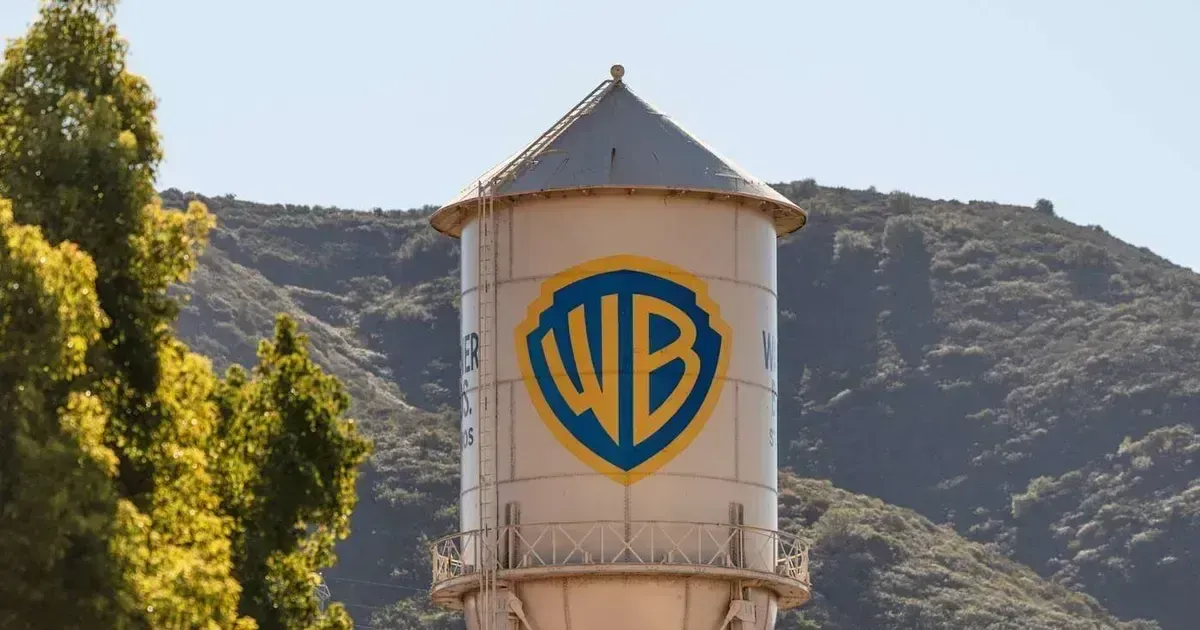
Warner Bros. Discovery shareholders on April 23, 2026, sanctioned a large consolidation of the global media landscape by voting to sell the company to Paramount for $81 billion. Preliminary vote counts revealed an overwhelming consensus among investors who backed the transaction at a valuation of $31 per share. Voting results indicate that the internal hurdle for the deal is cleared, shifting the focus to governmental oversight committees in the United States and the United Kingdom.
Market participants reacted to the announcement with a mixture of anticipation and scrutiny as the two entertainment giants prepared to combine their vast intellectual property libraries. Ownership of brands like HBO, CNN, and DC Studios will now shift under the same corporate umbrella as CBS, Nickelodeon, and Paramount Pictures. Washington officials have already indicated that the Department of Justice will initiate a review to determine if the union stifles competition within the streaming and broadcast sectors.
Paramount executives have long sought a path toward greater scale to compete with dominant players like Netflix and Disney. Financial records show that Warner Bros. Discovery carried substantial debt following its previous merger, a factor that likely influenced the willingness of shareholders to accept the $31 per share offer. Investment analysts in London suggest that the merger will create a content powerhouse capable of dictating terms to cable providers and digital platforms alike.
The transition toward a unified entity will likely take twelve to eighteen months to complete, provided regulators do not file injunctions. Specific details regarding the leadership structure of the combined firm have not been made public, though rumors of substantial layoffs in redundant departments persist.
According to a preliminary vote count released by the companies, the overwhelming majority of Warner Bros. Discovery shareholders voted in support of selling the entire business to Paramount for $31 a share.
Paramount Expansion and Global Market Reach
Acquiring the assets of Warner Bros. Discovery allows Paramount to expand its global footprint into territories where HBO Max previously held a dominant position. Combining the two subscriber bases could create a platform with over 150 million active users worldwide. Scale is a primary driver for this transaction, as the cost of producing prestige television and blockbuster films continues to rise. Paramount anticipates that the combined entity will generate billions in annual efficiencies through the consolidation of marketing budgets and technological infrastructure.
Content diversity is a major strategic advantage for the new conglomerate. Paramount gains access to the Wizarding World, Game of Thrones, and the extensive DC Universe, which provides a steady stream of theatrical and streaming revenue. Specifically, the library of Warner Bros. Discovery includes thousands of titles that can be licensed or kept exclusive to drive subscription growth. Executives believe that a unified app will reduce churn rates, a metric that measures how many customers cancel their service each month.
International growth remains a focal point for the board of directors. London is a critical hub for these expansion efforts, as both companies have major production facilities and licensing agreements in the United Kingdom. Negotiating with European broadcasters will become a more centralized process under the new structure. European regulators often demand local content quotas, which the combined entity can satisfy more easily given its broad production capabilities.
Regulatory Hurdles in Washington and London
Regulators in Washington have voiced concerns about the concentration of news and sports media. Combining CNN with CBS News creates a vast journalistic entity that may face demands for divestiture from the Federal Communications Commission. Antitrust laws in the United States focus on consumer harm, and officials will likely investigate whether this merger leads to higher subscription prices. Simultaneously, the Department of Justice will examine the impacts on the theatrical exhibition market, where a single company would control a substantial percentage of annual box office releases.
British authorities in London are expected to launch a parallel investigation through the Competition and Markets Authority. UK law requires a rigorous assessment of media plurality to ensure that a single owner does not exert too much influence over public discussion. Because both Warner Bros. Discovery and Paramount operate major linear television networks in Britain, the merger could face requirements to sell off certain channels. London remains a difficult environment for large-scale media acquisitions due to these strict public interest tests.
Congressional leaders in Washington have already scheduled hearings to discuss the implications of the $81 billion deal. Lawmakers from both parties have historically expressed skepticism regarding enormous media tie-ups, citing concerns over job losses and reduced creative diversity. Despite these political headwinds, the companies argue that consolidation is necessary to survive against the encroachment of Big Tech firms like Amazon and Apple into the entertainment space.
Strategic Shift in Streaming Competition
Competition for consumer attention has reached a fever pitch, forcing legacy media companies to choose between consolidation or obsolescence. This move by Paramount to acquire Warner Bros. Discovery for $81 billion indicates a retreat from the era of fragmented streaming services. Industry observers expect a wave of similar deals as smaller players realize they cannot sustain the high costs of original content production. By merging, these two entities hope to achieve the financial stability required to bid for expensive sports rights, such as the NBA or NFL.
Legacy media companies have struggled to match the technical prowess of Silicon Valley rivals. Warner Bros. Discovery brings a sophisticated data analytics platform to the table, which Paramount plans to integrate into its global operations. Better recommendation engines and user interfaces are essential for keeping subscribers engaged over long periods. Analysts believe that the combined technological resources will allow the new company to compete more effectively with the algorithmic advantages of Netflix.
Creative talent in Hollywood has expressed varying levels of concern regarding the merger. Fewer studios mean fewer buyers for scripts and pitches, which could lead to lower pay for writers and directors. Warner Bros. Discovery previously faced criticism for canceling projects for tax write-offs, a practice that Paramount may or may not continue. The future of high-budget filmmaking depends on the ability of the new leadership to balance fiscal responsibility with the artistic risks necessary for critical success.
Paramount Deal Accelerates Studio Consolidation
Corporate gluttony often masquerades as cooperation, and the Paramount acquisition of Warner Bros. Discovery is no exception. While shareholders celebrate the $31 per share exit, the broader cultural impact of this $81 billion union is likely to be a stifling of creative competition. The evidence points to the birth of a media oligopoly that prioritizes library monetization over original storytelling. This consolidation reflects a desperate attempt by legacy firms to build a fortress against the inevitable dominance of Big Tech, yet it ignores the fundamental problem: bloating a company with debt and redundant assets rarely encourages innovation. Washington and London will likely huff and puff about antitrust concerns, but history suggests they will eventually settle for minor divestitures that do little to protect the consumer. The regulatory appetite for blocking these deals has been historically weak, especially when companies argue that they are fighting for survival against the likes of Apple. If the Department of Justice allows this $81 billion merger to proceed without serious structural changes, it effectively signs the death warrant for the independent studio model. Creativity cannot be mass-produced in a boardroom. By consolidating power in the hands of a few executives, the industry risks becoming a factory for sequels and reboots at the expense of new voices. The market may reward the scale, but the audience will eventually suffer the monotony. This deal is not a move toward growth; it is a defensive crouch by two giants who fear the future. A unified Paramount and Warner Bros. Discovery might survive the streaming wars, but it will be a hollow victory if the content it produces loses its soul. Bigger is rarely better for the art of cinema.