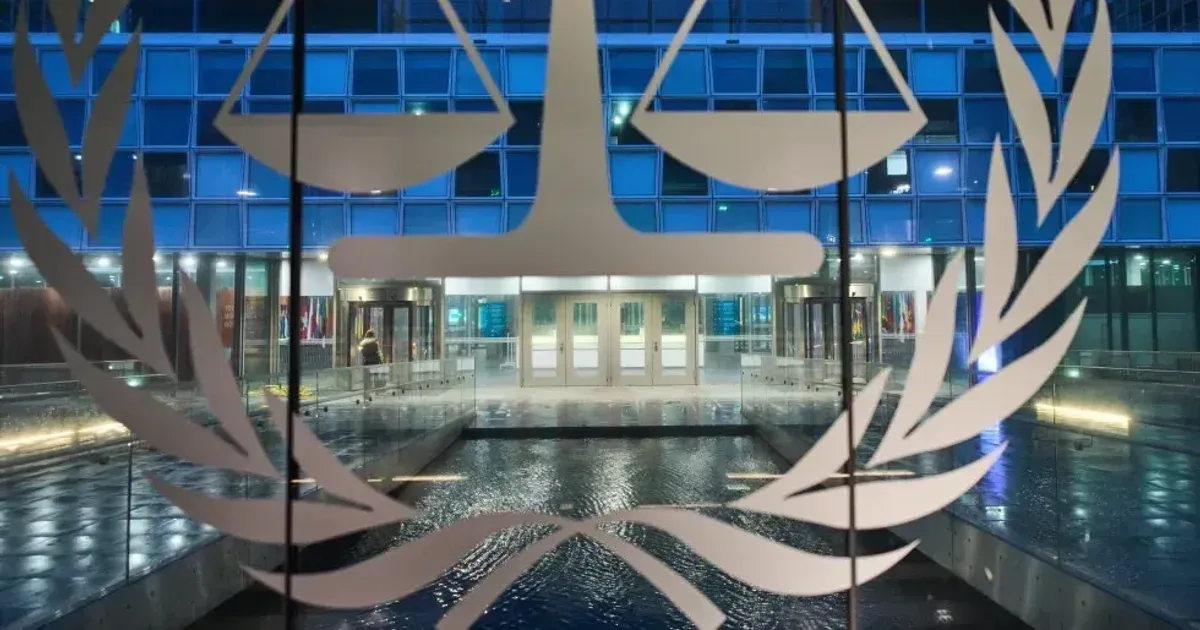
International Criminal Court judges announced on April 23, 2026, that former Philippine president Rodrigo Duterte will face trial for crimes against humanity. Judicial officers in The Hague found substantial grounds to believe that the former leader guided a state-sanctioned anti-drugs crackdown. Murder and attempted murder charges received unanimous confirmation from the pre-trial chamber following a multi-year investigation into the Philippine drug war. Official records suggest the violent campaign resulted in the deaths of thousands of civilians between 2016 and 2022.
Hague Judges Confirm Crimes Against Humanity Charges
Pre-trial judges concluded their assessment by finding a direct link between executive policy and widespread extrajudicial killings. Evidence presented by prosecutors indicates that the systematic nature of these operations qualifies them as an attack against the civilian population. Judicial confirmation of these charges elevates the case to a full trial stage, where legal teams will debate the culpability of the former head of state. Previous legal challenges from the Manila government regarding jurisdiction were overruled.
Prosecution filings allege that Duterte exercised command responsibility over police units and vigilante groups. These groups operated under a mandate to eliminate suspected drug users and dealers without judicial process. Investigators analyzed public statements where the former president encouraged lethal force against suspects. Such declarations provided the framework for a nationwide culture of impunity. Judges agreed that the sheer scale of the fatalities warrants international intervention under the Rome Statute.
Pre-trial judges concluded on Thursday that there were substantial grounds to believe Duterte was responsible for the crimes against humanity of murder and attempted murder in relation to anti-drugs crackdowns that led to the killing of thousands of people.
Legal experts at the International Criminal Court noted that the confirmation of charges is a high evidentiary bar. Prosecutors satisfied the chamber that the killings were not isolated incidents but part of a coordinated organizational policy. Documentation from human rights groups and internal police reports supported this conclusion. Witness testimony from former officers provided inside details regarding the financial incentives paid for kills. These payments allegedly occurred under the oversight of senior administration officials.
Systematic Killings Under Duterte Drug War Policies
Violence characterized the Duterte presidency from its inception in mid-2016. Police reports often categorized deaths as the result of suspects resisting arrest, a phenomenon known locally as nanlaban. Independent forensic experts, however, discovered evidence of close-range execution in many cases. Many victims were found with their hands bound or tape wrapped around their heads. Survival rates for suspects in these police operations remained statistically impossible. These discrepancies fueled the initial ICC inquiry into Philippine domestic law enforcement. Accountability for crimes against humanity remains a central challenge in military and executive legal proceedings globally.
International law allows the court to prosecute individuals even if their home country has withdrawn from the treaty. The Philippines officially left the ICC in 2019, yet jurisdiction persists for crimes committed while the nation was still a member. Three judges deliberated for several months before issuing the current ruling. Their decision emphasizes that withdrawal does not provide retroactive immunity for state-sponsored violence. Legal precedent in other regions supports this interpretation of treaty obligations.
Defense attorneys for the 81-year-old former leader continue to argue that domestic courts should handle any criminal allegations. They maintain that the Philippine justice system is functioning and capable of investigating drug war deaths. Prosecutors countered by highlighting the lack of high-level prosecutions within the national jurisdiction. Only a handful of low-ranking officers have faced conviction for murder in a campaign that claimed at least 6,000 lives. Some estimates from advocacy groups place the death toll closer to 30,000.
Global Legal Precedents and International Justice
Political dynamics in Manila further complicate the path to a physical trial. Current President Ferdinand Marcos Jr. has sent mixed signals regarding cooperation with the Hague-based tribunal. While the administration distanced itself from the ICC initially, recent political shifts have altered the landscape of executive protection for Duterte. Former allies of the Duterte family now occupy key opposition roles. Cooperation remains a subject of intense debate within the Philippine Senate and House of Representatives.
Operational independence of the ICC faces a substantial test through this proceeding. Securing the physical presence of a former head of state in the courtroom requires either a voluntary surrender or an arrest warrant execution by local authorities. Should Duterte refuse to appear, the court could issue a Red Notice through Interpol. Such a move would restrict the former president's ability to travel internationally. Sovereignty claims collide with international mandates.
Victims' families expressed cautious optimism following the announcement of the trial. Legal representatives for the families have spent years gathering affidavits and ballistic evidence to support the prosecution's case. Many families fled their homes due to fear of retaliation from local police forces. This trial offers the first opportunity for a high-level accounting of the policy decisions that led to the violence. Documentation suggests that the Davao City model of policing was scaled up to a national level.
Procedural steps now move toward the appointment of a Trial Chamber. This body will oversee the presentation of evidence and the cross-examination of witnesses. Scheduling such a high-profile trial typically takes several months of preparation. Logistics regarding witness protection and document disclosure will dominate the next phase of the legal process. International observers expect the trial to last several years given the volume of evidence. The Hague continues to prepare for one of its most serious cases in the Indo-Pacific region.
Duterte Trial Tests International Accountability
Does the ICC actually possess the teeth to bite a former strongman, or is this only an expensive exercise in judicial theater? Confirming charges is the easy part of international law. The real friction begins when the court demands the body of a man who still commands substantial loyalty within his nation’s security apparatus. Rodrigo Duterte is not a deposed dictator hiding in a bunker; he remains a potent political force in a country where the current administration is wary of a civil fracture. The Hague is gambling its institutional credibility on the hope that Manila will prioritize global standing over domestic stability.
Sovereignty is the ultimate shield for leaders accused of atrocities. If the ICC cannot compel an arrest, the trial becomes a hollow ritual of in absentia filings that do little to deter future demagogues. This case is the ultimate test for the Rome Statute’s relevance at a time of rising nationalism. Should Duterte evade the courtroom, the court is a paper tiger. If he is extradited, it remains a credible threat to every leader who views human rights as an obstacle to policy. Justice depends on a police power the ICC does not own. A verdict without a defendant is a ghost sentence.