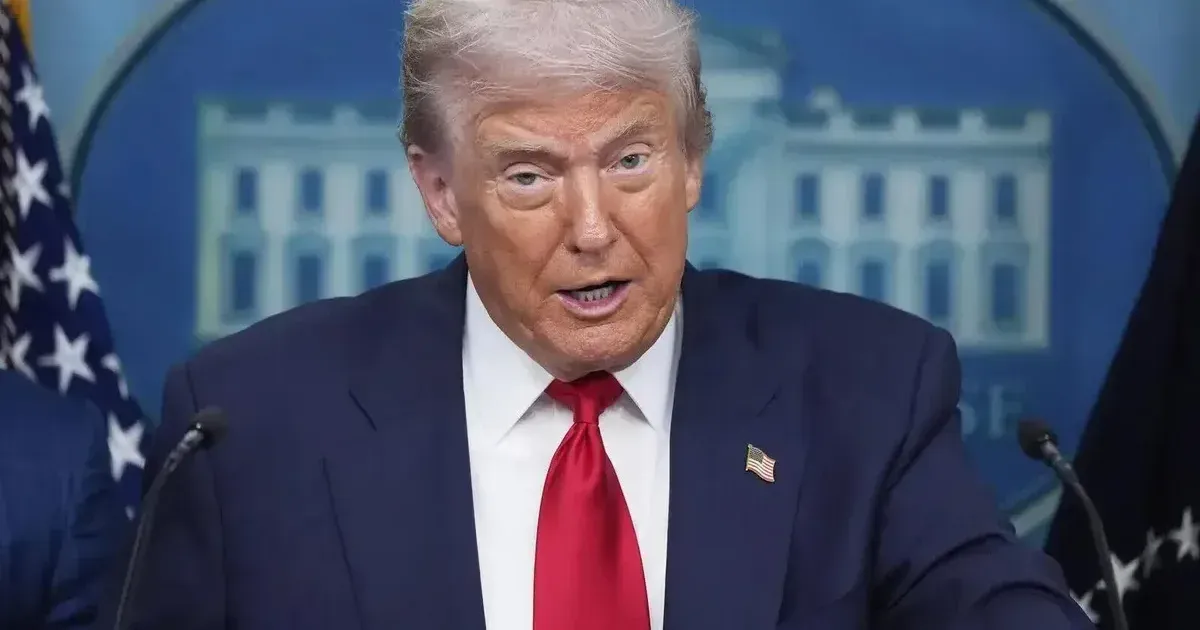
Pentagon officials are finalizing a policy to seize billions in frozen Iranian funds for distribution to regional partners. The asset shift gives Washington a reconstruction tool without asking Congress for new money. It also creates a legal fight over who controls frozen Iranian funds. This shift in financial strategy addresses the material damage caused by recent drone and missile strikes launched from Iranian territory. Military activity across the Middle East surged on June 6, 2026, as Israeli forces targeted high-ranking military figures in southern Lebanon. A fragile ceasefire between Washington and Tehran appears to have collapsed under the pressure of the most intense exchange of fire since hostilities were paused earlier this year.
Israeli airstrikes in Lebanon resulted in the deaths of three high-ranking soldiers. Among the deceased was a general whose identity was confirmed by Lebanese officials. Arab nations, including Saudi Arabia and Jordan, issued statements condemning the escalation. These military movements occurred simultaneously with Iranian strikes targeting infrastructure in Bahrain and Kuwait.
Reports from CBS News indicate that the intensity of the recent combat surpasses any engagement recorded since the start of the 2026 ceasefire. Defense analysts suggest the frequency of drone launches has tripled in the last seventy-two hours. Security networks in the Persian Gulf have intercepted dozens of projectiles launched toward civilian shipping lanes and energy facilities. The escalation has effectively halted commercial traffic through the Strait of Hormuz as insurance premiums for cargo vessels reach record highs.
Diplomats are currently struggling to salvage a peace deal that has been under negotiation for months. Indirect talks between American and Iranian representatives have reached a deadlock, with both sides refusing to yield on financial red lines. Tehran continues to demand the immediate release of $24 billion in frozen funds held in international accounts. Washington, however, has signaled it will use those specific assets to compensate allies for recent damage. Rebuilding efforts in the Gulf states now depend on the successful transfer of these contested funds.
State Department officials are exploring the legal mechanisms required to redirect sovereign assets toward reconstruction. Traditionally, frozen funds are held as leverage until a comprehensive treaty is signed. The move to liquidate these assets for the benefit of third-party allies is a departure from standard diplomatic procedure. Military personnel on the ground describe the environment as highly volatile, with both sides preparing for a prolonged period of kinetic engagement.
Lebanon Fighting Widens the Crisis
Violence has not been limited to the Persian Gulf.
In southern Lebanon, the killing of a high-ranking general has triggered a series of retaliatory rocket launches into northern Israel. Israeli defense systems, including the Iron Dome, were active throughout Saturday night to intercept incoming fire. Civil defense authorities in Haifa reported minor damage to residential buildings, though no casualties were immediately confirmed. International observers from the United Nations have called for an immediate de-escalation to prevent a wider ground invasion of Lebanese territory.
Tehran maintains that its recent strikes were a necessary response to ongoing provocations by Western-aligned forces. Foreign ministry officials in Iran warned that any attempt to redirect their frozen assets would be viewed as an act of economic warfare. They argued that the $24 billion belongs to the Iranian people and is essential for domestic infrastructure projects. Despite these warnings, the US Treasury Department is moving forward with the legal framework for the transfer.
"The United States will make Iranian assets available to Gulf allies to support rebuilding and repairs for future damage caused by Iran," according to a Reuters report cited by TASS.
Pakistan and other regional powers have urged an end to the fighting before the conflict expands into a broader regional war. Islamabad expressed concern that the collapse of the US-Iran ceasefire could destabilize the entire South Asian security architecture. Pakistani officials have offered to mediate between the parties, though neither Washington nor Tehran has formally accepted the proposal. Negotiators remain stationed in Doha, but sessions have been suspended indefinitely due to the ongoing strikes.
Oil Markets Price In Wider Risk
Financial markets have reacted sharply to the prospect of a total breakdown in diplomacy. Oil prices jumped 8% following reports that Iranian assets would be redirected. Traders are pricing in the risk of a sustained closure of the Persian Gulf, which would disrupt nearly 20% of the world's daily oil supply. Large-scale infrastructure projects in Bahrain and Kuwait are currently paused as resources are diverted to emergency defense and repair operations.
Logistical challenges for the asset transfer include identifying specific accounts that are legally accessible under US executive orders. Treasury experts are working with international banking partners to ensure the funds can be moved without violating existing financial treaties. Some European allies have expressed hesitation, fearing that seizing sovereign assets could set a precedent that affects their own banking sectors. Washington argues that the extraordinary nature of the Iranian strikes justifies these measures.
Stability in the region depends on whether a new deterrent can be established.
Defense officials in the United States are considering deploying additional carrier strike groups to the Eastern Mediterranean and the North Arabian Sea. This military buildup is intended to protect the reconstruction projects that could be funded by the seized assets. Military commanders believe that showing a persistent presence will discourage further Iranian drone launches against Gulf partners. The cycle of strikes and counter-strikes continues to test the limits of regional air defense batteries.
Frozen Assets Become a New Front in the Conflict
Will the seizure of sovereign assets become the new standard for regional deterrence? The decision to redirect Iranian funds is a calculated move that shifts the financial burden of the conflict onto the aggressor. It signals that Washington is no longer willing to wait for a diplomatic resolution while its allies suffer material losses. The policy effectively turns frozen assets into a revolving fund for reconstruction, creating a direct economic consequence for every missile launched by Tehran.
Security in the Persian Gulf is now tied to a complex web of legal and military maneuvers. While the physical strikes occupy the headlines, the underlying battle is being fought in bank ledgers and treasury offices. If this strategy succeeds, it could provide a blueprint for handling future conflicts where sovereign funds are available as leverage. If it fails, it may lead to a permanent fracturing of the international financial system as nations move their assets into jurisdictions beyond the reach of Western regulators.
Expectations for a swift return to the status quo are fading as the casualties mount. The death of the Lebanese general and the subsequent rocket fire indicate that the conflict is widening beyond the original participants. Diplomatic channels are not entirely closed, but they are increasingly shadowed by the reality of active combat. The next several weeks will determine if the Middle East can avoid a full regional war or if the ceasefire was merely a pause in an unavoidable confrontation.