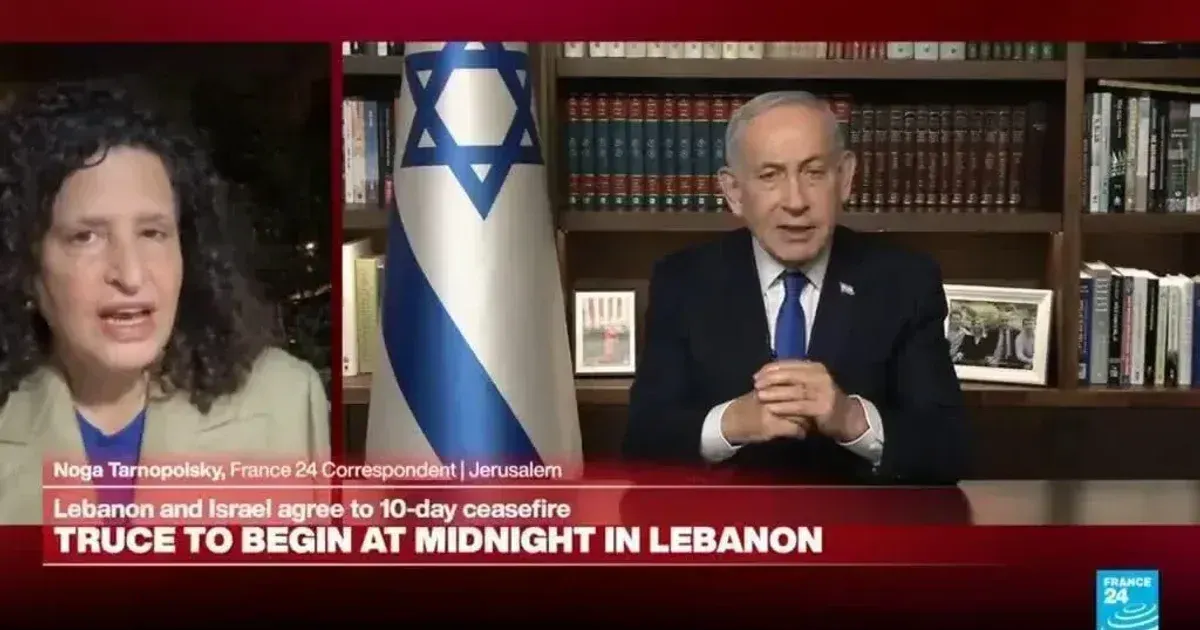
Israeli military strikes and Hezbollah rocket fire tested a fragile Lebanon ceasefire as Washington mediators tried to keep the deal alive. The violence pushed the conflict closer to the outskirts of Beirut and raised new doubts about enforcement. On June 3, 2026, reports from the region indicated that the violence sharply strained diplomatic progress managed by international mediators.
At least nine people were reported killed as emergency teams continued to search damaged areas for potential survivors. Strike locations stretched from traditional border hotspots to areas much closer to the capital than previously observed during this current cycle of hostilities. Security officials in Beirut noted that the proximity of these explosions to the city limits has heightened public alarm across the country.
Israeli Strikes Expand Toward Beirut
Military operations intensified throughout the morning hours as Israeli aircraft targeted what they described as strategic positions. Air sirens sounded across northern Israel in the same timeframe, indicating a rapid exchange of fire. Hezbollah responded to the initial aerial campaign by launching barrages of rockets over the border, targeting Israeli military infrastructure and civilian communities. This exchange constitutes one of the largest violations of the truce established on Monday.
Rocket fire from southern Lebanon reached deep into Israeli territory, though early reports suggest many projectiles were intercepted by defense systems. In response, Israeli officials maintained that their actions were necessary to neutralize immediate threats to their northern residents. Displaced families on both sides of the border, who had begun considering a return to their homes, now face renewed uncertainty. Many have opted to stay in temporary shelters until the security environment stabilizes.
"The attacks test a US-mediated deal to curb Israel-Hezbollah attacks, and new Israel-Lebanon talks in Washington."
Specific strike data remained contested as Lebanese and Israeli officials issued competing accounts of the attacks. Witnesses in the south described scenes of heavy smoke rising from residential districts where munitions hit. While the Israeli Defense Forces have not released a full list of specific targets, they emphasized that the operations focused on tactical assets used by Hezbollah. This narrative contrasts with reports from Lebanese state media, which focused on the damage inflicted upon civilian infrastructure.
Violence of this scale so soon after a diplomatic breakthrough suggests a lack of confidence in the enforcement mechanisms of the current deal. Each side continues to blame the other for initiating the breach, creating a cycle of retaliation that is difficult to break. Verification teams from the United Nations are currently attempting to document the specific sequence of events to determine which party fired the first shot on Wednesday. The recent escalation casts doubt on the ongoing Washington negotiations regarding the ceasefire's stability.
Washington Negotiations and Ceasefire Viability
Diplomatic efforts in Washington involve high-level representatives from both the Israeli and Lebanese governments. These talks were designed to transform the temporary cessation of hostilities into a more permanent security framework. Wednesday's escalation has cast a shadow over these proceedings, forcing mediators to shift their focus from long-term planning to immediate crisis management. US officials have urged both parties to exercise maximum restraint to prevent a wider regional fire.
Lebanese negotiators expressed deep concern regarding the strikes near Beirut, arguing that such actions undermine the sovereign authority of the central government. They have called for an immediate session to review the terms of the Monday agreement. By contrast, Israeli representatives at the summit argued that the ceasefire was never intended to be a shield for continued rocket preparation by Hezbollah forces. The divergence in these interpretations highlights the difficulty of maintaining a partial truce without clear, agreed-upon red lines.
International observers note that the success of the Washington talks depends on the ability of both leaderships to control their most aggressive factions. Radical elements within the security apparatus on both sides may see the ceasefire as a disadvantageous pause. Stability requires a level of trust that has been methodically eroded by decades of conflict and recent months of high-intensity warfare. The reported casualties and rapid exchange of fire made the task of the diplomats considerably more difficult.
Logistical challenges for the ceasefire monitors have also increased due to the geographic spread of the latest strikes. Access to the border regions is currently restricted by active military maneuvers, preventing a full assessment of the damage. Regional powers have weighed in on the development, with many calling for an immediate return to the status quo defined earlier in the week. The coming forty-eight hours will likely determine if the Washington summit can survive this disruption.
Strikes Near Beirut Could Collapse the Ceasefire
Escalation toward the outskirts of Beirut marks a shift in tactical boundaries that often precedes a move into total war. When strikes move beyond the southern border theater, they threaten the essential infrastructure of the Lebanese state, potentially forcing the national army into a conflict it has largely avoided. The expansion of the target list suggests that the Israeli military is prepared to risk the total collapse of the US-mediated deal to achieve specific tactical objectives.
Such a move carries the risk of a miscalculation that could draw in regional backers, including Iran, which maintains a deep interest in the survival of its Lebanese proxy. Hezbollah's rocket responses are currently calibrated to match the intensity of the Israeli strikes, but any further move toward urban centers could trigger a shift to long-range precision munitions. The Washington talks are the only remaining mechanism for de-escalation, but their influence is waning as the physical reality on the ground shifts toward renewed combat.
If the ceasefire is not reinforced with verifiable guarantees by the end of the week, the Middle East faces a return to a high-intensity conflict that threatens to destabilize global energy markets and regional shipping lanes.