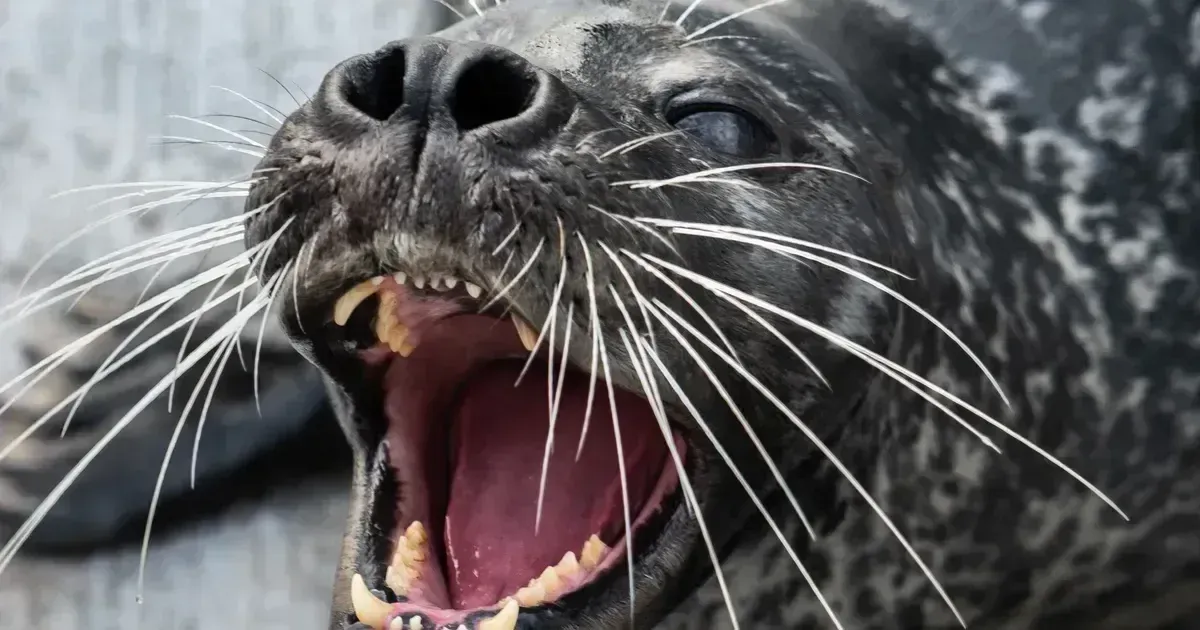
Federal authorities apprehended Igor Mykhaylovych Lytvynchuk following an intensive investigation into the harassment of an endangered marine mammal on the island of Maui. The prosecution turns a viral wildlife video into a federal endangered-species case. Criminal charges filed on May 14, 2026, detail an incident involving a 38-year-old resident of Covington, Washington, who allegedly targeted a known seal named Lani. Official records from the US Attorney's Office in Honolulu indicate that the suspect faces serious penalties under two primary environmental statutes. The case gained momentum after a viral video surfaced online, drawing condemnation from local residents and conservation groups who monitor the small, vulnerable population of monk seals in the Hawaiian archipelago.
Prosecutors identified Lytvynchuk as the individual captured in footage hurling a rock at the resting animal. Law enforcement officials moved quickly to secure an arrest warrant once the suspect was identified through digital footprints and witness statements provided to the National Oceanic and Atmospheric Administration. Evidence presented in preliminary filings suggests the defendant intentionally disturbed the animal while it was hauled out on a public beach. Such behavior violates strict federal protections designed to ensure the survival of one of the rarest seal species on the planet. Officials confirmed that Lani, the seal in question, has a long history of monitored health and behavior in the region, making the animal a recognizable figure in the Maui community.
Federal Prosecutors Outline Criminal Charges
Lytvynchuk faces charges including violations of the Endangered Species Act and the Marine Mammal Protection Act. These laws provide a dual layer of legal accountability for individuals who disturb, injure, or kill protected species. Federal agents from the NOAA Office of Law Enforcement led the search for the suspect after the video was widely shared on social media platforms. Investigative reports indicate that the rock-throwing incident occurred during a period when the monk seal population was under heightened observation by marine biologists. Court documents describe the act as a clear breach of the safe distance guidelines established to protect marine wildlife from human interference.
"Igor Mykhaylovych Lytvynchuk, 38, of Covington, Washington, is charged with harassing a protected animal," the US attorney’s office in Honolulu said.
Legal proceedings in the US District Court for the District of Hawaii will determine the extent of the punishment, which can include heavy fines and incarceration. Maximum penalties for a single count of harassing an endangered species often involve six-figure financial assessments and up to one year in federal prison. Prosecutors emphasized that these statutes are strictly enforced to deter tourism-related misconduct that threatens Hawaii’s fragile ecosystem. The defendant’s background as a tourist from Washington state highlights a persistent challenge for local authorities who struggle to educate visitors on the legal requirements for wildlife viewing. Defense counsel has not yet issued a formal response to the specific allegations regarding the rock-throwing footage.
Cultural Significance of the Hawaiian Monk Seal
Hawaiian monk seals hold deep cultural importance for the indigenous people of the islands and are considered an essential component of the marine environment. Approximately 1,600 seals remain in the wild, with the majority residing in the uninhabited Northwestern Hawaiian Islands. The small sub-population found in the main islands, including Maui, is particularly susceptible to human-wildlife conflict. Lani is part of a monitored group of seals that volunteers and state officials track to ensure they are not disturbed during rest or nursing periods. Public reaction to the arrest has been swift, with many locals demanding the maximum possible sentence to serve as a deterrent for future visitors.
Conservationists argue that such encounters can lead to long-term behavioral changes in the animals, potentially making them less likely to return to safe beaches or more prone to aggressive interactions with humans. Scientific data provided by the Marine Mammal Center highlight that monk seals require uninterrupted downtime on shore to regulate their body temperature and recover from foraging trips. Constant interruptions or physical attacks like the one alleged in the criminal complaint can lead to physiological stress and reduced fitness. Local non-profit organizations have increased their beach patrols after the incident to provide better education to beachgoers and to document any further illegal activity.
Administrative procedures following the arrest involve a thorough review of the digital evidence by forensic experts. The US Attorney’s Office stated that the clarity of the viral video played a decisive role in the speed of the indictment. Federal authorities often rely on public cooperation to identify suspects in cases involving wildlife harassment, as many incidents occur in remote areas without constant surveillance. This case resulted from successful coordination among the public, digital media and federal law enforcement agencies. This prosecution is a formal notification to travelers that state borders do not protect individuals from federal enforcement when environmental laws are broken.
Viral Evidence Gives Federal Prosecutors a Direct Wildlife Case
How will the federal court balance the intent of the defendant against the strict liability standards of the Endangered Species Act? The legal framework surrounding marine mammal protection rarely requires proof of specific intent to harm; rather, the act of disturbance itself constitutes a violation. The legal reality places Lytvynchuk in an unstable position where the objective evidence of the video may outweigh any claims of accidental or non-malicious behavior. Judicial history in the District of Hawaii shows a consistent trend of imposing substantial fines on tourists to maintain the integrity of the state’s ecological protections.
Future tourism policy in Hawaii could be influenced by the outcome of this trial. If the court imposes a maximum sentence, it will reinforce the message that the federal government treats wildlife harassment with the same severity as other federal misdemeanors. Local legislators are already citing this case as a reason to implement mandatory education modules for visitors arriving from the mainland. The resolution of this case will likely set a benchmark for how viral evidence is used in the prosecution of environmental crimes in the mid-Pacific region. Federal agents continue to monitor Lani for any signs of lingering trauma or injury. The case may also influence how visitors are warned near protected beaches during peak travel periods.