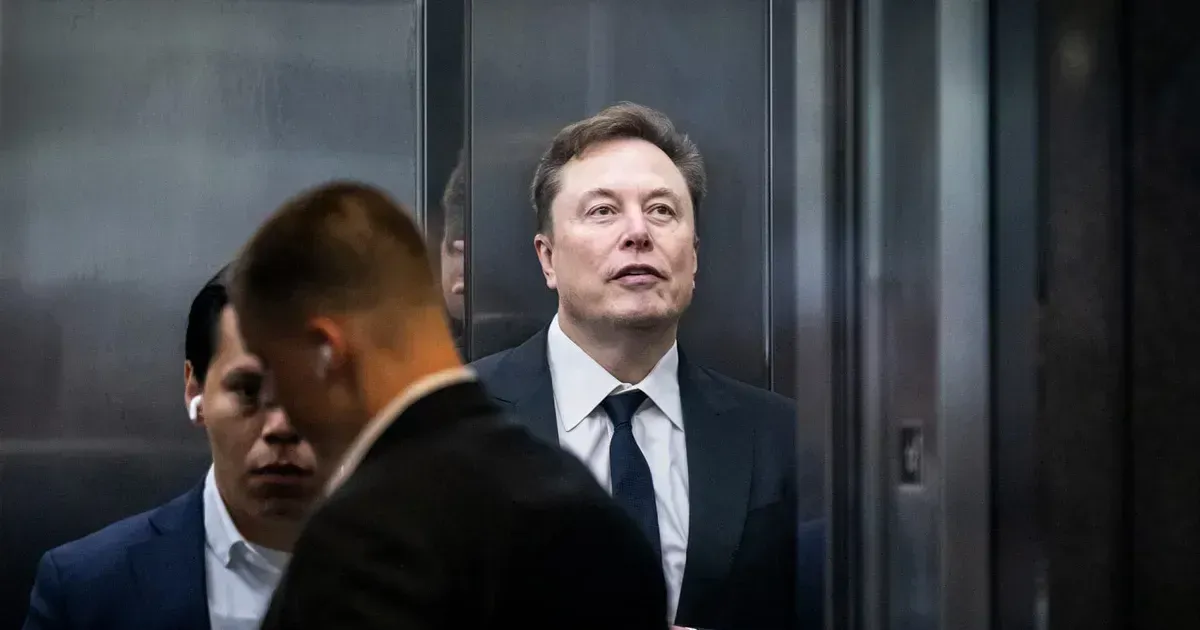
Elon Musk arrived in Beijing alongside President Donald Trump for high-level diplomatic discussions while his legal obligations in California remained unresolved. The travel decision gives the court dispute a diplomatic backdrop that Musk cannot easily separate from his business interests. The arrival occurred on May 13, 2026, marking a major departure from the Silicon Valley courtroom where Musk is currently litigating a $150 billion suit against OpenAI. This international trip proceeded despite a specific judicial order issued last month requiring the executive to stay within reach of the court for potential recall to the witness stand.
His presence in China coincides with the closing stages of a large legal battle over the founding and mission of the world's best-known artificial intelligence firm. Attorneys for both sides have spent weeks debating the contractual obligations Musk claims were violated by Sam Altman and other leaders at OpenAI. While the trial is nearing its end, the presiding judge warned Elon Musk in April that his testimony might not be finished. Legal experts suggest that leaving the country under such circumstances creates a direct conflict with the court's authority.
Judicial Mandates vs Diplomatic Missions
Attorneys for the defense requested the recall after new evidence surfaced during the later stages of the trial. The judge subsequently instructed Musk to remain ready to return to the stand to address these developments. Instead of staying near the California jurisdiction, the Tesla and X owner chose to join the presidential delegation to China. Officials in Beijing confirmed the group reached the capital on Wednesday to begin a series of scheduled meetings. Neither the court nor the legal teams have confirmed if a formal summons was issued immediately before the flight took off.
Disregarding a direct judicial instruction often carries severe penalties for high-profile litigants.
OpenAI lawyers asserted that further questioning is necessary to clarify statements Musk made earlier in the proceedings. Their request focused on specific communications between Musk and Altman during the early years of the non-profit's development. Court records indicate the judge viewed the possibility of a recall as a necessary measure for ensuring a complete record before the jury begins deliberations. If the court demands his presence while he is on another continent, the legal repercussions could include contempt of court or adverse evidentiary rulings.
OpenAI Litigation and the $150 Billion Stakes
The scale of the $150 billion lawsuit makes this one of the most expensive corporate disputes in the history of the technology sector. Musk alleges that the shift toward a profit-focused model at OpenAI constitutes a breach of the original agreements that led to his initial funding of the venture. Lawyers for Sam Altman argue that the organization has remained true to its core safety principles while scaling the computational power needed for advanced intelligence models. The trial has already seen days of intense cross-examination regarding early emails and financial structures.
"A judge told Musk last month he may be recalled to a California courtroom for further testimony at the request of OpenAI lawyers."
Previous testimony from Musk lasted for several hours and covered his early vision for artificial intelligence safety. Regardless of his past cooperation, the current absence creates a logistical hurdle for the defense team. Every day the trial is delayed by a witness's unavailability adds to the legal costs and potential for judicial frustration. Sanctions in such cases can range from financial fines to the striking of certain portions of the witness's prior testimony from the record. The judge has not yet issued a public comment regarding the China trip.
Recall Risks in the Final Trial Phase
The risk of a contempt charge looms over the trip as the legal team for OpenAI prepares its final arguments. Federal rules of civil procedure grant judges broad discretion when a party to the case ignores instructions regarding their availability. Under these guidelines, the court could find that Musk willfully obstructed the conclusion of the trial by placing himself thousands of miles away during the recall window. Jurors are often sensitive to the perceived respect a plaintiff shows toward the legal process during a high-stakes civil action.
Legal analysts following the case noted that Musk has a history of unconventional interactions with regulatory and judicial bodies. This specific instance involves a direct instruction from a judge in a case where Musk himself is the plaintiff seeking damages. The tension between his role as a global political advisor and his status as a litigant has reached a peak with the Beijing arrival. OpenAI's legal representatives have the option to file an immediate motion for sanctions if they can prove his absence is a tactic to avoid further scrutiny on the stand.
A Beijing Absence Could Undermine Musk’s $150 Billion Case
Contempt of court is rarely a trivial matter for high-profile litigants who operate at the intersection of global industry and statecraft. When a plaintiff chooses to ignore a standing judicial instruction regarding trial availability, they invite the court to question the sincerity of their legal claims. In a $150 billion dispute, even a minor adverse ruling regarding witness credibility can shift the momentum of the entire case. The judge may decide that the executive's decision to join a diplomatic trip outweighs his obligations to the California court, but such leniency is never guaranteed.
Willful absence during the final phase of a trial allows the opposing counsel to argue that the litigant is shielding himself from difficult questions. The perception can be damaging when a jury is tasked with evaluating complex claims of breach of contract and fiduciary duty. If the court issues a formal recall while Musk is in Beijing, the resulting standoff would force a choice between diplomatic optics and legal survival. The potential for a default judgment or the dismissal of key claims is a catastrophic risk for a lawsuit of this magnitude. Judicial authority is defined by its ability to compel participation, regardless of the litigant's international standing or political proximity.