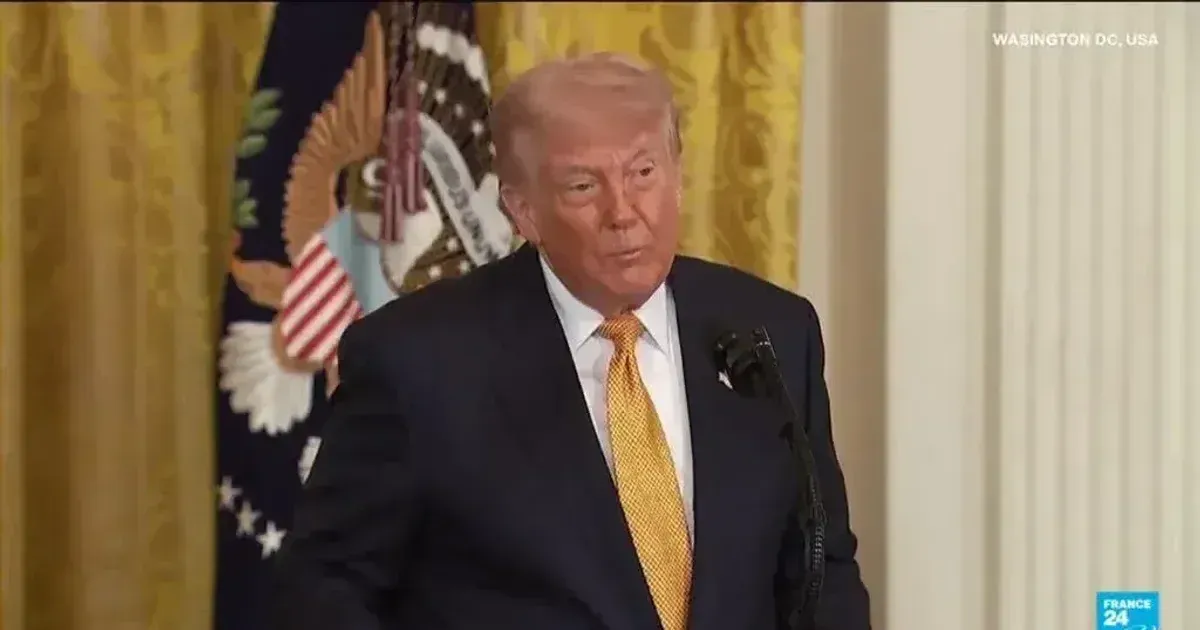
President Donald Trump stated that American domestic financial conditions play no role in his strategy to resolve the conflict in Iran. The comment separated war policy from the domestic affordability debate now surrounding fuel and borrowing costs. This disclosure, made during a briefing on May 13, 2026, occurred as the administration faces mounting pressure to justify the escalating costs of the overseas campaign. Critics have pointed to the strain on the national deficit, but the President insisted that fiscal considerations would not dictate the terms of any potential ceasefire or diplomatic resolution.
Pentagon officials submitted a revised expenditure report to Congress detailing the mounting price of the Middle Eastern theater. $29 billion has been allocated to operations in Iran since the commencement of hostilities, according to the briefing. This figure covers direct combat costs, logistical support, and emergency munitions procurement required to sustain the regional front. Military analysts suggest that these costs could rise if the current stalemate continues through the next fiscal quarter.
Military Families Face the Strain of an Open-Ended Campaign
Military life has always involved some degree of uncertainty. Families, however, describe a persistent state of suspension as the conflict enters another month. Stella Kalinina, documenting the experiences of military spouses for national media, noted that the current environment is defined by a unique form of anxiety. Many families are dealing with indefinite deployment schedules and limited communication with service members stationed near the Persian Gulf. Spouses reported that the nature of the Iranian theater, characterized by rapid shifts in security postures, makes long-term domestic planning nearly impossible.
Iran Crackdown Complicates Ceasefire Politics
Iranian authorities simultaneously accelerated a domestic campaign against perceived dissidents within their own borders. While the external front involves the United States and Israel, internal security forces intensified operations against those accused of being enemies within the state. Human rights monitors confirmed that the regime is using the cover of international conflict to justify broader arrests and harsher sentencing for political activists. These actions target individuals across several provinces, specifically those suspected of sympathizing with foreign interests.
Tehran's regime has been battling external enemies while ramping up a deadly crackdown on its own population. Reports from independent observers suggest that the internal repression is a calculated move to ensure regime survival during a period of high external pressure. Security forces have reportedly increased their presence in urban centers, using emergency powers to bypass traditional legal procedures for detention and interrogation.
Tehran’s internal security apparatus continues to widen its net.
President Trump maintained his focus on the geopolitical outcome of the negotiations during a meeting with advisors. He clarified that the financial situation of the average American is not even a little bit of a motivating factor for reaching a deal. The stance deviates from traditional diplomatic messaging that often emphasizes the economic benefits of peace for the domestic electorate. Trump’s remarks centered on the necessity of a total victory or a deal that fundamentally alters the regional balance of power.
"I don't think about Americans' financial situation," Trump told reporters regarding the negotiations to end the war.
Opponents in Congress argued that the administration’s dismissal of economic factors ignores the long-term impact of the $29 billion expenditure. Representative offices have received an influx of inquiries from constituents concerned about the duration of the engagement and the lack of a clear exit strategy. Economic advisors warned that ignoring the domestic financial climate could lead to a decrease in public support for the military mission as the treasury continues to fund active operations. Budgetary committees are expected to hold a series of hearings to review the transparency of the current spending authorizations.
Administrative officials maintain that the President’s focus remains purely on the cessation of kinetic activity rather than the immediate restoration of domestic market stability. White House staff indicated that the negotiation team is prioritizing the neutralization of specific Iranian capabilities over traditional trade or economic considerations. Strategic objectives in the Middle East are being treated as separate from the inflationary pressures or fiscal deficits occurring within the United States. Trump's refusal to link the two issues suggests a hardline approach that may delay a resolution if Tehran expects economic concessions. Future briefings will likely focus on the sustainability of this decoupling as the war budget approaches the next major funding milestone.
War Costs and Political Pressure
The White House’s decision to explicitly decouple domestic financial stability from the Iran negotiations marks a departure from traditional wartime rhetoric. Usually, administrations emphasize the "peace dividend" to maintain public support, yet Donald Trump has opted for a stance that prioritizes strategic outcomes over taxpayer concerns. It creates a high-stakes environment where the success of the mission is the only metric for victory, leaving no room for a compromise based on economic relief. Conflict remains in a state of stasis as both sides weigh the costs of a prolonged engagement against the risks of a premature withdrawal.
Congressional oversight will likely intensify as the $29 billion figure becomes a focal point for the opposition. If broader domestic indicators provide a temporary buffer for the administration's approval ratings, the White House may feel emboldened to maintain its current course. However, the disconnect between the President’s rhetoric and the financial reality of military families could eventually erode the coalition supporting the war. The internal crackdown in Tehran further complicates the situation, as it forces the U.S. to weigh the moral cost of a deal against the geopolitical necessity of ending the fighting. The political risk is that voters may not separate war strategy from the prices they see in fuel, food and borrowing costs.