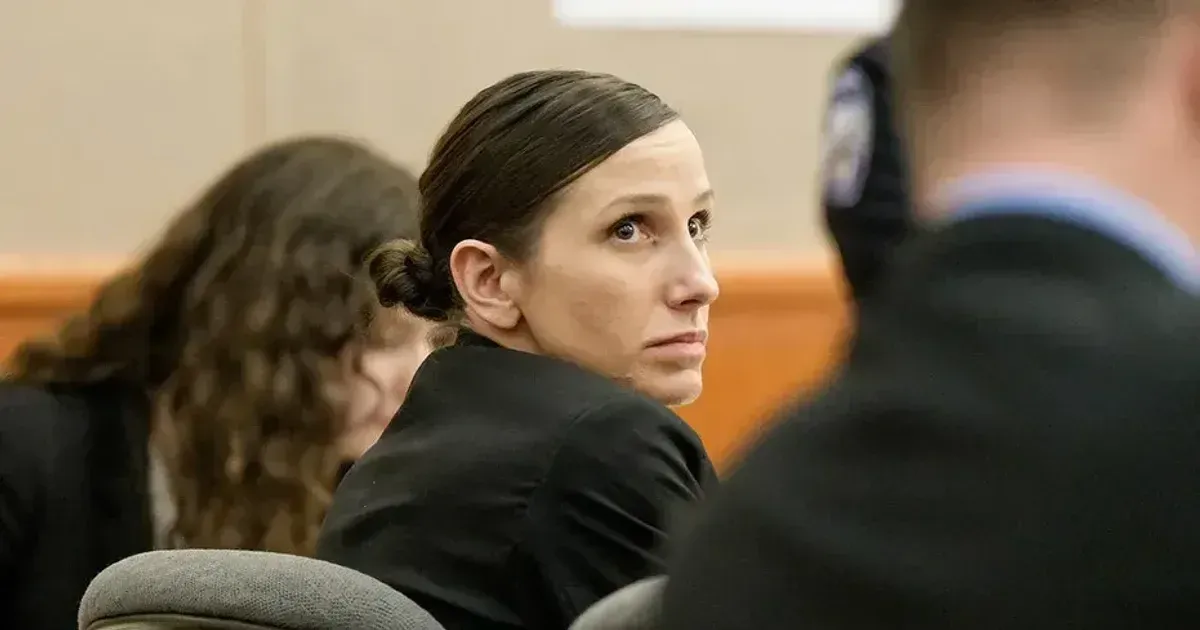
Sons of Utah author Kouri Richins expressed deep fear regarding her potential release from custody during a sentencing hearing. Their testimony gave the sentencing phase a direct account of the surviving family's fear. These statements surfaced on May 13, 2026, as the family of Eric Richins sought a maximum prison term for his murder.
Kouri Richins, 35, was found guilty in March of killing her husband by lacing his cocktail with a lethal dose of fentanyl. Investigators determined that the drink contained five times the amount of the drug required to kill an adult. This poisoning occurred in 2022 at the family home, leading to a complex criminal investigation that gripped the Utah community.
A jury in Utah returned guilty verdicts on five felony counts including aggravated murder. These convictions followed weeks of testimony regarding the couple's relationship and the chemical evidence found in the toxicology report. Fentanyl concentrations in the system of Eric Richins suggested a deliberate and fatal administration of the controlled substance. Toxicology findings proved that the victim had no way of surviving the sheer volume of the synthetic opioid ingested that night.
Within the courtroom, the three young sons of the defendant made their positions clear to the presiding judge. They reported feeling unsafe at the prospect of their mother returning to the community. Safety concerns for the children have remained at the center of the sentencing phase since the guilty verdict was rendered two months ago.
Evidence of Fentanyl Poisoning in the Richins Case
Prosecutors presented a detailed timeline of the events leading to the death of Eric Richins in 2022. The state argued that the defendant prepared a mixed drink for her husband which contained the large dose of fentanyl. Medical examiners testified that the speed of the overdose would have left the victim incapacitated almost immediately after consumption.
“I’m afraid if she gets out,” one of the sons stated during testimony intended to inform the court’s final sentencing decision.
Court records indicate that the defense team attempted to challenge the origin of the drugs, but the jury ultimately found the prosecution's evidence stronger. The trial highlighted the 5x lethal dose as a primary indicator of intent. This finding elevated the charges to aggravated murder, which carries a much heavier sentencing requirement under state law.
Witnesses throughout the March trial described a home life that contrasted sharply with the public image Kouri Richins projected as a children's book author. Legal experts noted that the contrast of her professional role and the criminal allegations added considerable public interest to the case. The jury took less than a day of deliberations to reach a consensus on all five felony charges.
Children Request Prison Term for Kouri Richins
The three sons, who have been in the care of relatives since the investigation began, provided emotional weight to the state's request for life without parole. Within the legal framework of Utah, victim impact statements from minor children often carry considerable weight in determining the duration of a prison sentence. These statements described a fractured sense of security and a persistent fear regarding their mother's potential actions if she was ever freed.
Decades of incarceration are expected as the baseline for the aggravated murder conviction. The judge must now weigh the severity of the 2022 poisoning against any mitigating factors presented by the defense during this final phase. Legal analysts suggest that the specific request for safety by the children makes a lenient sentence highly unlikely.
Beyond the murder charge, the four other felony convictions involve drug possession and distribution related to the fentanyl used in the crime. Each count adds potential years to the aggregate sentence, ensuring that the defendant faces a significant part of her life behind bars regardless of the murder sentence. The final ruling from the court is expected before the week concludes. The March conviction finalized the criminal findings and established the factual basis for these sentencing arguments.
The Children’s Testimony Strengthens the Case for a Maximum Sentence
The testimony of the Richins children introduces a serious psychological dimension to the sentencing of Kouri Richins. While the chemical evidence established the crime's brutality, the children's articulated fear provides the court with a plan for prioritizing long-term public and private safety. In cases of intra-family homicide, judges frequently view the safety of surviving minor victims as the paramount consideration when choosing between life with or without the possibility of parole.
The case also highlights the procedural rigor required when a defendant has already been convicted and is merely awaiting the final calculation of their freedom. The prosecution has successfully navigated the transition from proving guilt to establishing the necessity of permanent removal from society. Because the sons directly expressed fear for their lives, the court is legally positioned to interpret any future release as a direct threat to the welfare of minors. That posture could result in a sentence that reflects the maximum severity permitted under the Utah criminal code. The family statements also show why release hearings in homicide cases can become emotional tests of public confidence, not only procedural reviews.