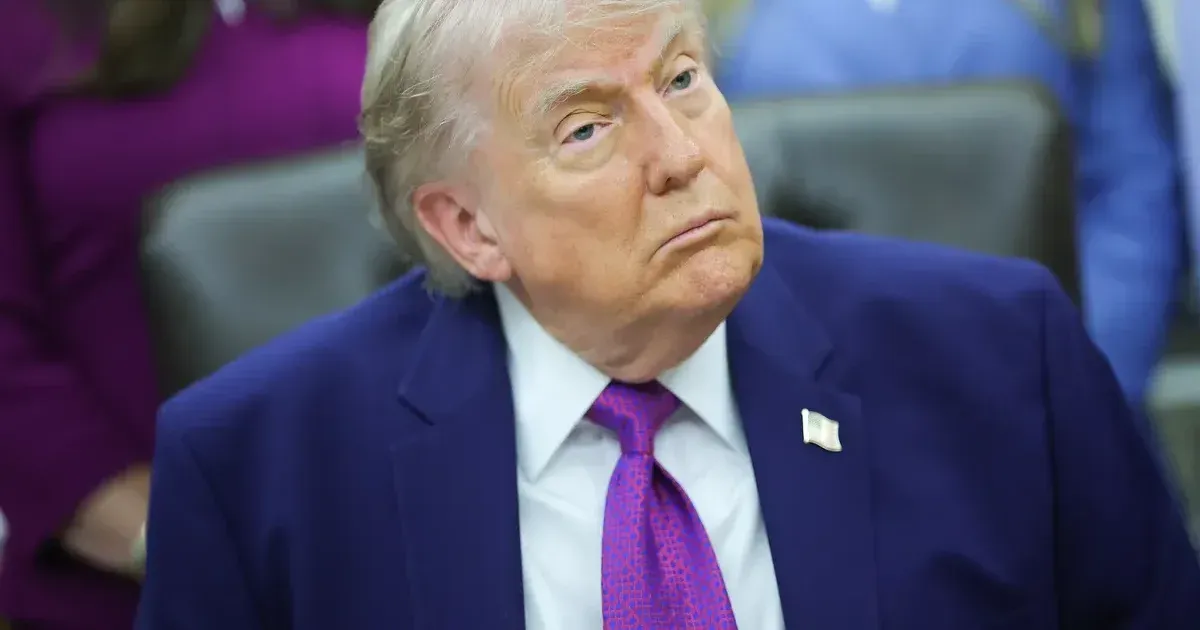
White House officials confirmed President Donald Trump will undergo a scheduled medical evaluation toward the end of May. The announcement puts another formal health update on the calendar during a politically sensitive stretch. The timing gives the White House a chance to answer health speculation with a formal physician summary. On May 12, 2026, aides said the visit marks his fourth publicized checkup since his return to the presidency. Medical updates from the executive mansion have become a frequent point of public record during this term, serving to address recurring questions about the health of the 79-year-old leader.
Medical Disclosure and Viral Speculation
Administration spokespeople described the upcoming appointment as a routine assessment of physical health and readiness. They did not specify which facilities would host the examination, though previous visits often involved the Walter Reed National Military Medical Center in Maryland. These checkups usually involve a battery of tests including blood work, cardiac stress tests, and cognitive screenings. The lack of a named facility keeps the logistics flexible while preserving the administration's ability to release a physician summary after the visit.
Rumors regarding the health of the commander in chief gained traction earlier this month because of a widely shared video of a recent meeting. Social media users and political critics claimed the footage showed the president falling asleep during a policy discussion on trade.
A White House aide said the president was merely blinking during the session, rather than sleeping, and that any suggestion otherwise was inaccurate.
Press secretary aides attributed the appearance of closed eyes to the specific lighting and camera angles used during the press pool's recording. Administration representatives emphasized that the president maintains a rigorous schedule that often involves long hours in the West Wing. This pushback aligns with a broader White House strategy of countering viral narratives that suggest physical frailty or exhaustion.
Washington Arch Surveys Advance
While the medical schedule draws scrutiny, the administration also advanced its most high-profile commemorative project. Workers arrived in Washington this week to begin preliminary survey work for the proposed Trump Triumphal Arch. Planned as an enormous entrance to the capital, the structure has faced serious pushback from local planning commissions and architectural critics since its initial proposal.
Survey teams started testing soil stability and mapping underground utility lines at the contested site. These initial steps are necessary for any large-scale construction in the city, especially given the scale and weight of the proposed stone arch. Opponents of the project argue the monument would clash with the existing neoclassical architecture of the National Mall and surrounding federal buildings.
Preliminary testing involves core drilling to assess whether the ground can support the large foundations required for such a structure. ABC News reported that workers were seen on site with heavy equipment, marking a transition from conceptual planning to physical site preparation. The Triumphal Arch would serve as a permanent marker of the administration's impact on the federal terrain if it receives final approval.
Legal challenges from historic preservation groups could still delay the timeline for the arch. These organizations argue that the project bypasses established federal review processes for new monuments and alters the historic L'Enfant Plan for the city. Administration lawyers maintain that the president has the authority to commission works that reflect national identity and his specific era of governance.
Planning documents suggest the arch would be built using granite and marble sourced from domestic quarries.
News of the arch surveys coincides with preparations for the end-of-month medical exam. Critics often link the president's ambitious building projects to his personal legacy, while supporters view them as evidence of his continued energy and focus. The convergence of these stories highlights the two-pronged approach of the current White House: maintaining an image of physical robustness while literally reshaping the federal environment.
Specific details of the medical results usually follow the examination by several days. Under previous protocols, the physician released a memo summarizing the president's height, weight, and general cardiac health. Such disclosures are meant to satisfy transparency requirements, though some medical experts have called for more detailed neurological data in previous cycles. The political sensitivity is higher because age, stamina and public visibility have become recurring measures of presidential credibility.
White House staff members indicated that the president remains engaged with the daily operations of the government despite the external chatter. They point to the ongoing surveys for the arch as a sign of progress on administration goals, arguing that the medical visit and monument planning show a president continuing to operate across both policy and symbolic priorities.
Political Optics and Legacy
The intersection of a president's health disclosures and his desire for architectural permanence creates a unique political tension. By scheduling frequent medical exams, the executive branch attempts to preempt concerns about age that have dogged the presidency for decades. These checkups function as a form of transparency that doubles as a campaign for public confidence.
Political optics, however, are rarely settled by a single physician's memo. The Triumphal Arch project functions as a physical manifestation of that same confidence, asserting a presence in the capital that aims to outlast temporary controversies. It is a dual effort to secure both a physical and historical footprint. The monument would endure long after any physical assessment.