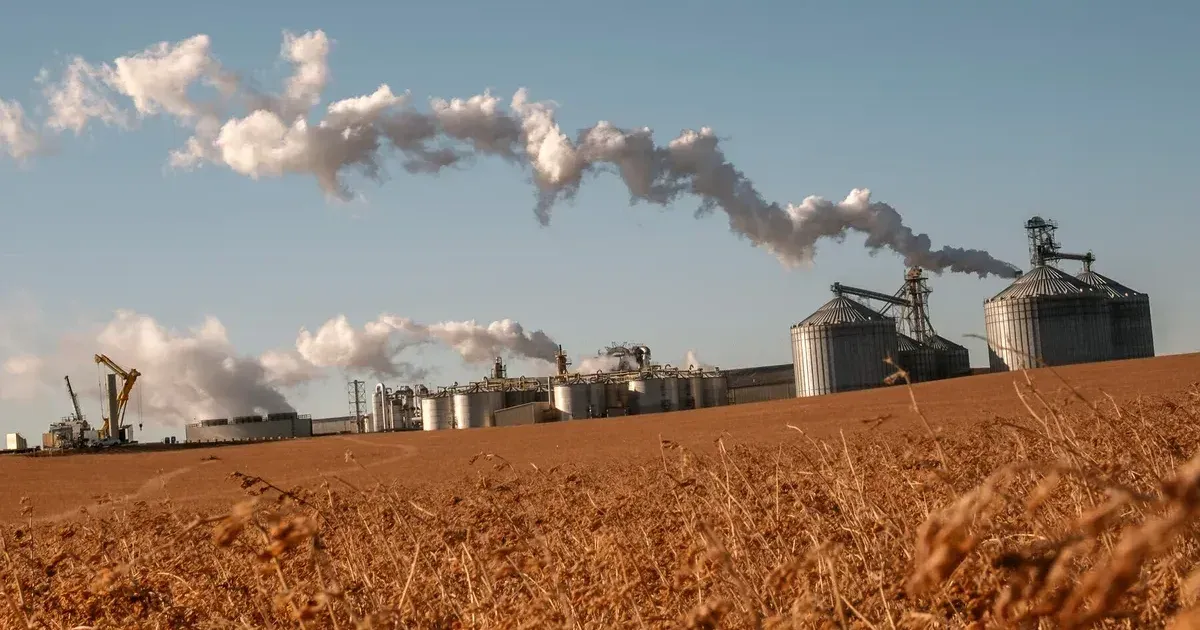
Fuel policy has become another front in the affordability fight. Lawmakers in the House of Representatives voted to eliminate seasonal restrictions on the sale of E15 fuel, a move designed to reduce gasoline costs for American consumers. The vote also gives farm-state lawmakers a tangible energy-policy win to defend at home. The legislative action took place on May 13, 2026, marking a major victory for agricultural interests in the Midwest. By a wide margin, the chamber approved a bill that allows for the permanent, year-round sale of gasoline blended with 15% ethanol, which was previously barred during the summer months due to air quality regulations.
Support for the measure stemmed from a unique coalition of Republicans and Democrats representing heavy corn-producing regions. These legislators argued that expanding access to E15 would provide a cheaper alternative to standard 10% blends while supporting domestic grain markets. The push for permanent authorization comes after years of temporary emergency waivers issued by the executive branch to combat rising energy prices. This legislative fix aims to provide long-term certainty for fuel retailers and corn growers alike.
Passage of the bill was not without friction.
Republican hard-liners joined forces with representatives from oil-producing states to oppose the expansion. These critics characterized the move as a government mandate that favors the ethanol industry at the expense of traditional energy sectors. Independent petroleum refiners specifically warned that the 15% blend could damage older vehicle engines and requires costly infrastructure upgrades at thousands of independent gas stations. Despite these vocal objections, the agricultural lobby successfully framed the issue as one of energy independence and consumer choice.
Federal law currently restricts the sale of higher ethanol blends between June 1 and September 15.
These restrictions date back to the 1990 Clean Air Act, which established Reid Vapor Pressure standards to limit smog-forming emissions during the hottest months of the year. Ethanol has a higher volatility than pure gasoline, leading to concerns that increased evaporation contributes to ground-level ozone. Nevertheless, proponents of the bill cited more recent studies suggesting that modern engine technology and fuel additives reduce these environmental risks. They insisted that the economic benefits of cheaper fuel outweigh the older regulatory concerns.
"Legislative action was necessary to move beyond the cycle of temporary waivers that left both farmers and retailers in a state of constant uncertainty," stated a spokesperson for the House committee overseeing the energy bill.
Refiners argued that the bill would complicate the fuel supply-chain by creating a patchwork of varying regulations across different states. Some petroleum groups warned that the increased demand for ethanol could drive up RIN prices, the credits refiners must purchase to comply with the Renewable Fuel Standard. These costs, they claimed, would eventually be passed down to the same consumers the bill seeks to help. The refining industry continues to lobby for a broader overhaul of the national fuel policy rather than piecemeal ethanol expansions.
Midwestern governors have already begun petitioning the Environmental Protection Agency for similar permanent changes at the state level.
The House vote provides those state-level efforts a powerful federal backup. For retailers, the ability to sell E15 throughout the year removes the logistical burden of switching fuel types and labeling twice every year. Many larger convenience store chains have already invested in the pumps and tanks necessary to handle higher ethanol volumes, but smaller rural stations still face financial hurdles in upgrading their equipment. The bill includes provisions for technical assistance to help these smaller operators adapt to the new market standards.
Voting patterns revealed a sharp geographic divide that crossed party lines.
Members from Illinois, Iowa, and Nebraska voted almost unanimously in favor, while those from energy-producing hubs in Texas and Oklahoma led the opposition. This regional tension is expected to resurface as the bill moves to the Senate, where the filibuster could pose a much larger threat to the legislation. Senate leaders have not yet scheduled a date for the initial hearing, though proponents are pushing for a vote before the 2026 summer driving season begins.
The Regulatory Hurdle
Existing environmental guidelines have long been the primary obstacle for ethanol proponents. Under the current framework, the Environmental Protection Agency must grant specific exemptions to allow higher blends when fuel supplies are tight. The bill would effectively bypass that discretionary power by codifying the year-round status of E15 into federal law. Legislative supporters argue that this move reduces the politicization of fuel standards and allows the market to dictate supply based on consumer demand.
Major automobile manufacturers now approve the use of 15% ethanol in vehicles built after 2001. The technical consensus has helped undermine previous arguments regarding engine safety, though some motorcycle and small-engine trade groups remain skeptical. The battle now shifts to the upper chamber, where the debate will likely focus on the long-term impact on the Renewable Fuel Standard and the nation's broader transition toward electric vehicles. Rural lawmakers view the bill as an essential bridge for the liquid fuel economy during this transition.
The Senate Will Decide Whether E15 Becomes Permanent
Washington's appetite for energy independence often collides with regional economic loyalties, and this House vote is a prime example of that recurring friction. By bypassing the Environmental Protection Agency through direct legislation, the House is attempting to shield the ethanol industry from the volatility of executive branch priorities. The shift suggests a growing impatience with the slow pace of administrative rule-making and a desire to provide the agricultural sector with permanent market access. The real test lies in whether the Senate will view this as a necessary economic relief measure or an unwarranted distortion of the petroleum market.
Economic data from the past two years indicates that E15 typically sells for 5 to 15 cents less per gallon than standard E10. In a high-inflation environment, those savings are politically potent, making it difficult for opponents to vote against the measure without appearing indifferent to consumer costs. If the Senate follows the House's lead, the primary beneficiary will be the corn-industrial complex of the Great Plains. The long-term consequence may be a further marginalization of traditional refiners who lack the infrastructure to pivot quickly toward biofuels. The vote is a hard-fought win for the farm lobby.