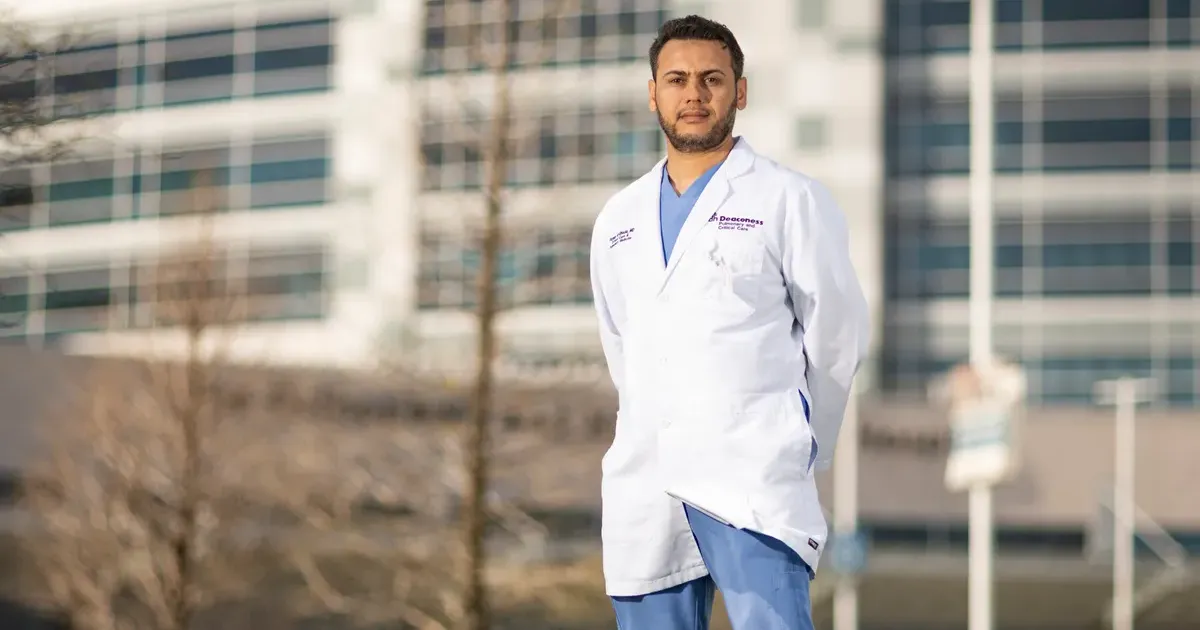
On April 4, 2026, Donald Trump authorized a series of administrative directives aimed at dismantling enduring interpretations of birthright citizenship and restricting work authorizations for foreign medical professionals. Federal agencies began implementing these changes immediately, targeting both the legal status of children born to undocumented parents and the residency permits of international doctors. Physicians from 39 countries currently face removal from American medical facilities as their ability to practice medicine within the United States is revoked by new executive guidelines. Hospitals in rural areas report the most immediate strain, with staffing levels falling below emergency thresholds in several jurisdictions. The rule change expanded scrutiny of citizenship and work-visa systems.
White House officials argue these measures ensure that immigration benefits prioritize citizens and those who entered the country through sanctioned legal channels. Administrative records show that thousands of medical residency slots previously occupied by foreign nationals are now under review for potential termination. Affected doctors often provide essential care in underserved communities that struggle to attract American-born medical graduates.
Medical Staffing Crisis in US Hospitals
Hospitals across the nation are losing critical personnel as Donald Trump moves to restrict visas for foreign-trained physicians. Data from the health sector indicates that specialists in oncology, cardiology, and primary care are among those being forced out of their positions. Administrators at several teaching hospitals expressed concern that these departures will create a vacuum in patient care that cannot be filled by domestic graduates in the short term. Specific policy language blocks the extension of H-1B and J-1 visas for individuals from designated regions, forcing a mass exodus of talent.
Facilities in the Midwest and the Deep South rely heavily on these international practitioners to maintain 24-hour emergency services. While Bloomberg reports that some hospital boards are seeking legal injunctions, federal authorities maintain that executive power over border security and labor markets allows for these swift adjustments. Failure to secure these visas results in immediate work authorization loss, forcing many doctors to cease patient contact within 48 hours of notification.
Healthcare organizations warn that the sudden loss of thousands of clinicians will lead to longer wait times and higher mortality rates in vulnerable populations. Professional associations have documented cases where entire surgical teams were dismantled because key members originated from countries included in the restriction list. Lawmakers in several states have requested exemptions for medical personnel, citing a national security interest in maintaining a functional healthcare infrastructure. Federal officials have rejected these requests, stating that the rule of law must be applied consistently across all professional categories.
Patients in rural clinics now face appointments being canceled as their regular physicians prepare for deportation. Current estimates suggest that over 10,000 medical positions could become vacant before the end of the fiscal year.
Department of Homeland Security Scrutinizes Parent History
Security concerns at MacDill Air Force Base have prompted the Department of Homeland Security to release new findings regarding the parents of individuals suspected of criminal activity. Officials revealed that the parents of recent bomb suspects entered the United States illegally and sought asylum in 1993. Although an immigration judge denied those specific claims in 1998, the individuals remained in the country. Zheng and Zou, the parents identified in the report, were ordered removed nearly three decades ago. This specific case is being used by federal agencies to illustrate what they describe as the risks of birthright citizenship.
Investigators claim that the ability of individuals to remain in the country after a removal order provides a pathway for further security threats. Zheng and Zou avoided detection for years while their children grew up as American citizens under the current interpretation of the 14th Amendment. Internal memos from the Department of Homeland Security suggest that thousands of similar cases are currently being prioritized for enforcement action.
"The 14th Amendment secured the American dream for my family, and it remains the foundation of our civic identity despite political attempts to undermine its reach," Gustavo Arellano said.
Critics of the administration argue that using specific criminal cases to justify broad constitutional changes is a tactical error. They point out that the vast majority of children born to immigrant parents contribute positively to the economy and social fabric. Legal scholars have noted that the 1898 Supreme Court ruling in United States v. Wong Kim Ark established a clear precedent for citizenship by birth. Zheng and Zou are currently in federal custody awaiting final deportation proceedings. Their children, despite their citizenship status, are also under intense federal scrutiny.
Evidence suggests that the administration intends to use this case as a legal test to challenge the scope of the 14th Amendment in federal court. Government lawyers are preparing briefs that argue citizenship should not be granted to the children of parents who are present in the country in violation of a standing removal order.
Constitutional Challenges to Birthright Citizenship
Legal battles are mounting as advocates for immigrant rights seek to protect the 14th Amendment from executive overreach. Gustavo Arellano has publicly defended the policy, stating that birthright citizenship was the main mechanism that allowed his family to achieve economic stability. Many families now fear that their status could be retroactively questioned if the Supreme Court agrees to revisit previous rulings. Proponents of the Trump policy argue that birthright citizenship acts as a magnet for illegal immigration and undermines the sovereignty of the nation.
They believe that citizenship should be a privilege earned through legal processes rather than an automatic right based on geography. Political tension is rising in states with high immigrant populations where local economies depend on the stability of these communities. Business leaders have warned that challenging citizenship status could destabilize labor markets and reduce consumer spending. Courts in several circuits have already received filings seeking to block the administration from denying passports to children of undocumented parents.
Executive orders issued on April 4, 2026, have created a climate of uncertainty for millions of residents. Some legal experts believe the administration is baiting a lawsuit to force the issue before a conservative-leaning Supreme Court. Similar attempts to restrict birthright citizenship have failed in the past, yet the current political environment provides a different context. Zheng and Zou represent a specific demographic that the administration believes will sway public opinion in favor of stricter rules. Their history of remaining in the country after their 1998 removal order is a central point in the government's narrative.
Public opinion polls show a deep divide along partisan lines regarding whether the 14th Amendment should be amended or reinterpreted. Groups advocating for the doctors forced out of hospitals are joining forces with civil rights organizations to form a broad coalition against these measures. The outcome of these legal challenges will determine the legal status of future generations born on American soil.
Visa Rules Expand Immigration Compliance Burden
The new citizenship and work-visa rules expand compliance work for applicants, employers and agencies. The policy may deter fraud, but delays and documentation burdens will decide how disruptive it becomes.