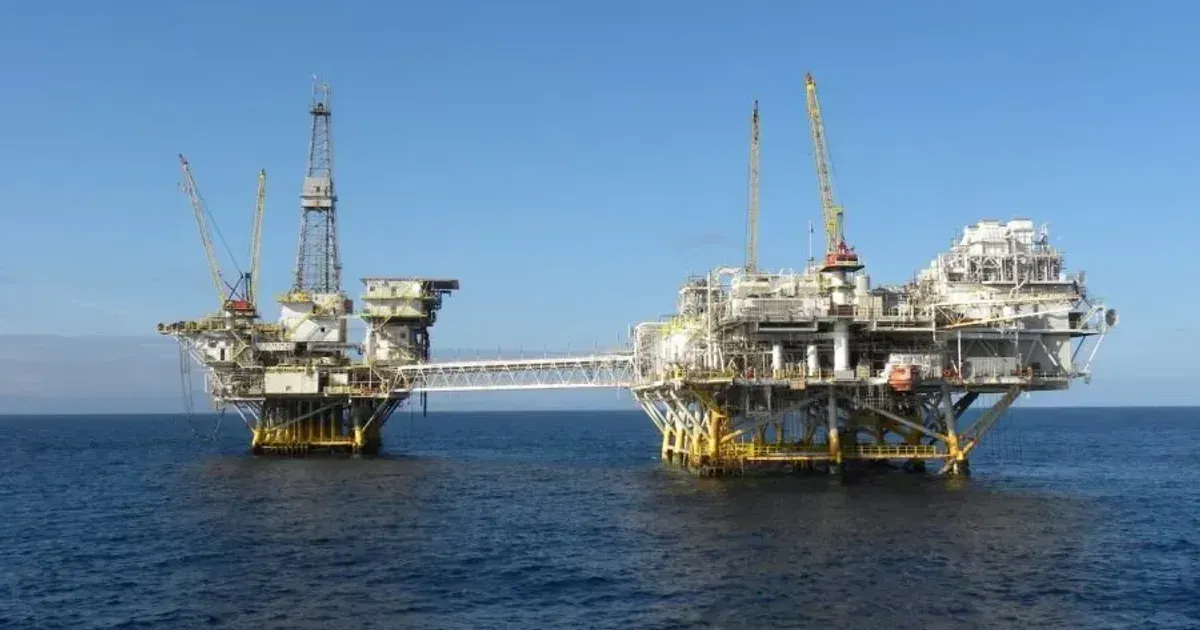
Energy Secretary Chris Wright issued a directive on Friday that bypasses years of environmental gridlock in the Pacific. The administration is using the Iran-related supply shock to restart the Santa Ynez Unit and reopen a long-dormant California energy fight. He ordered the immediate restart of the Santa Ynez Unit and its associated pipeline systems off the coast of California. This facility sits off the coast of California and has remained dormant for a decade. Now, it is a primary tool in the administration's fight against soaring energy costs triggered by foreign blockades. Crude supplies dwindled almost instantly after the Strait of Hormuz was shut down by hostile forces in the Middle East. Tehran effectively locked the world's most critical maritime choke point last week. That move removed millions of barrels of crude from the daily global supply. Markets reacted with expected instability. Prices at the pump across the United States surged past levels not seen since the initial shocks of the early 2020s. Analysts in London and New York warned that without immediate intervention, domestic reserves would fall to critical lows within months. Wright believes domestic production can bridge the gap. His order specifically targets Sable Offshore, the corporation that acquired these assets following the bankruptcy of their previous owners. The company operates a complex network of platforms and pipelines designed to move crude from the Pacific shelf to refineries on the mainland. Engineering teams began assessing the structural integrity of the pipelines within hours of the federal announcement. The directive places a dormant offshore system at the center of a national argument over whether emergency energy security can override California's environmental resistance.
Restarting California drilling to offset Iran risk turns foreign-policy shock into domestic regulatory confrontation.
Santa Ynez Restart Becomes Emergency Tool
Restarting the Santa Ynez infrastructure requires not only a signature in Washington. Engineers must inspect hundreds of miles of underwater and underground conduits that have sat empty since a major spill in 2015. Corrosion remains a major concern for state regulators who have fought to keep the valves closed. But the federal government claims emergency powers under national security statutes to override local objections. Sable Offshore has already mobilized technical crews to the Gaviota Coast to begin preliminary pressure testing on the lines. Safety protocols remain a point of contention between federal agents and California state inspectors. State officials argue that the age of the pipeline makes any restart inherently risky for the coastline. Federal authorities counter that modern monitoring technology can reduce these risks effectively. The Energy Department has dispatched its own oversight team to manage the transition. Initial reports suggest the first barrels could flow within ninety days if structural tests pass. Production at Santa Ynez once peaked at nearly 30,000 barrels per day. While that volume is a fraction of total U.S. consumption, it provides essential feedstock for West Coast refineries. These facilities have struggled to find affordable alternatives since the Iranian blockade began. Refiners in Los Angeles and San Francisco have historically relied on a mix of domestic and imported heavy crude. The loss of Middle Eastern supply has forced them to look toward local sources to prevent a total shutdown of gasoline production.
Hormuz Shock Drives Domestic Energy Push
Global energy security changed overnight when the Iranian Navy deployed mines and fast-attack craft in the Persian Gulf. Approximately twenty percent of the world's total petroleum consumption passes through that narrow waterway every day. Shipping insurance rates skyrocketed, causing many tanker fleets to anchor in safe harbors rather than risk the passage. This move places the administration in direct conflict with Sacramento, which remains committed to a complete phase-out of fossil fuels. Iranian leadership appears to be using oil as a weapon of last resort.
International crude benchmarks reflect the severity of the situation. Brent crude climbed sharply in the forty-eight hours following the initial naval skirmishes. Meanwhile, American consumers are feeling the impact at the pump, where prices in some regions have reached six dollars per gallon. Economic data shows that every ten-dollar increase in the price of oil acts as a direct tax on the middle class. Lower discretionary spending is already starting to cool the broader economy.
California Legal Fight Returns
Washington has few tools to combat a global supply shock of this magnitude. Drawing from the Strategic Petroleum Reserve is a temporary fix that has been used repeatedly in recent years. Long-term stability requires new or resumed production on American soil. Oil remains the lifeblood of the global economy.
Investors are watching the California restart with intense interest. Success here could signal a broader shift in how the federal government manages offshore assets in other states. If Sable can prove that it can operate safely, other dormant fields in the Gulf of Mexico or the Atlantic might see similar restart orders. The precedent of using national security as a justification for energy production is now firmly established. Wall Street reacted to the news by bumping the stock prices of domestic exploration firms.
Logistical hurdles still exist for the Santa Ynez project. The 2015 spill was caused by external corrosion that went undetected by the previous operators. Sable has pledged to use advanced robotic inspection tools to ensure the metal is sound. These robots, known as smart pigs, travel through the interior of the pipe to find thin spots or cracks. They provide a high-resolution map of the system's health before any oil is introduced. The company expects to spend millions on these safety measures before the first pump is activated.
California officials are preparing a strong legal defense against the federal directive. Attorney General Rob Bonta has indicated that the state will seek a preliminary injunction in federal court. He argues that the Energy Department lacks the authority to ignore the California Coastal Act. The clash between state sovereignty and federal emergency powers will likely reach the Supreme Court. Governor Gavin Newsom characterized the order as an assault on the state's environmental heritage and a threat to its tourism economy.
Public opinion in California is deeply divided on the issue. Residents in coastal communities fear a repeat of the devastating spills that occurred in 1969 and 2015. The debate pits the immediate need for cheaper fuel against the long-term protection of the marine system. But residents in the Central Valley and other inland areas are more concerned with the cost of commuting and the price of goods. Transportation costs for the state's large agricultural sector have tripled since the blockade began.
Environmental groups have already organized protests at the Gaviota processing plant. They claim that restarting the old infrastructure is a recipe for disaster. Labor unions representing refinery workers have voiced support for the plan. They see the restart as a way to protect high-paying jobs that were threatened by the supply shortage. The political field is moving as the reality of the energy crisis hits home for millions of voters.
Energy Policy Meets Crisis Politics
Nations that outsource their energy security to hostile theocracies eventually pay a tax in blood or bankruptcy. The current panic over the Strait of Hormuz is the predictable result of a decades-long policy that prioritized environmental aesthetics over industrial resilience. We have allowed ourselves to become vulnerable to the whims of a regime in Iran that has spent half a century shouting for our destruction. Attempting to manage the global economy while refusing to tap into our own vast resources is not just foolish; it is a form of national suicide.
Secretary Wright's order for Sable Offshore is a belated recognition of this reality, even if it comes under the duress of a looming economic collapse. California's reflexive opposition to offshore drilling is a luxury that vanished the moment the first Iranian mine hit the water. It is time to stop pretending that we can run a superpower on good intentions and solar panels alone. If we want to preserve our standard of living, we must be willing to produce the energy that makes it possible.
The Santa Ynez Unit should have been pumping oil years ago, and any judge who stands in the way of its restart is prioritizing a pristine view over the survival of the American economy.