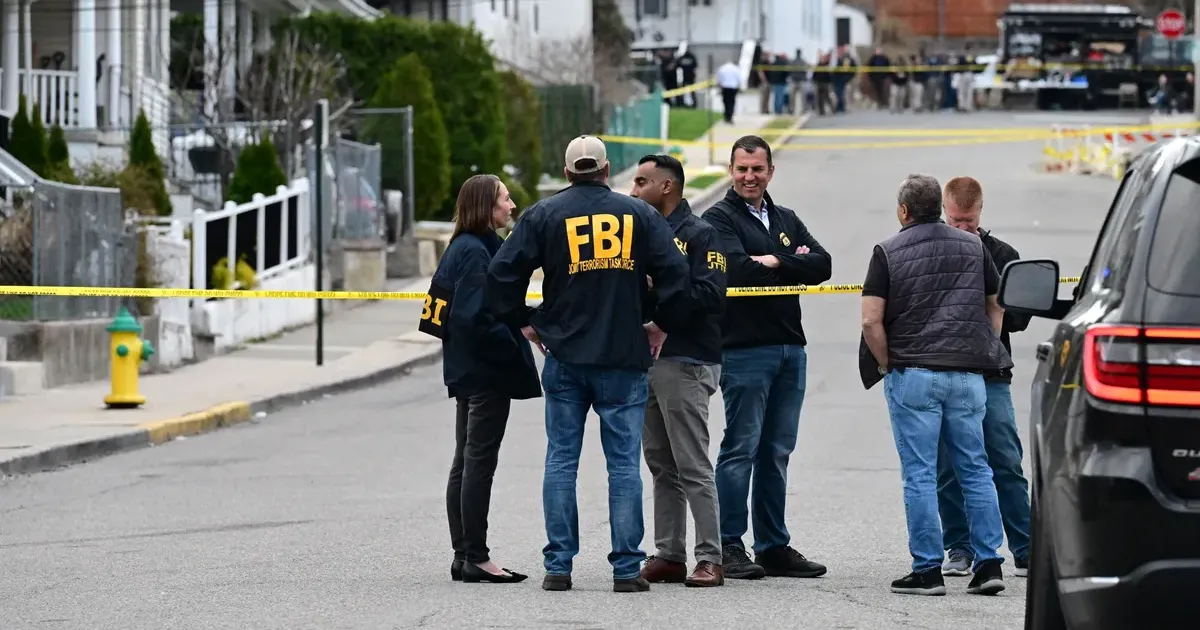
The White Plains explosive-device investigation moved quickly from a frightening neighborhood call to a federal criminal case. What began as reports of loud booms near an Odell Avenue apartment building became, according to prosecutors, the discovery of at least 25 improvised explosive devices in the apartment of 65-year-old Raymond Elders.
The first public message was narrow and reassuring: no injuries, no property damage, and no ongoing threat after police, the Westchester County Hazardous Devices Unit, the FBI and ATF responded. That was important for residents who had been told to stay indoors while authorities secured the scene. The later federal complaint made the case far larger. Elders was charged with offenses including use and manufacture of a weapon of mass destruction and possession of explosives after felony convictions. A judge ordered him detained, citing danger and flight-risk concerns. The charges are allegations, and the case still has to move through court.
The Booms Were the First Clue
Residents reported loud booms around 4:30 a.m., initially thinking they might have heard transformer explosions. Police checked electrical equipment and did not find the expected damage. An officer then spotted what authorities described as a suspected explosive device near the doorway of a small apartment building.
The timeline matters because neighbors also reported hearing similar noises in recent weeks. The pattern gave investigators a reason to look beyond a single suspicious object. It also made the public-safety response more urgent. Repeated unexplained blasts in a residential block are not background noise; they are a signal that evidence, surveillance footage, prior calls and resident accounts need to be lined up carefully.
The Search Changed the Scale
The discovery inside the apartment changed the case from a contained outdoor-device incident into a broader explosives investigation. Prosecutors said authorities found at least 25 improvised devices and related materials during the search. They also described Elders as having chemical residue on his hands and holding a lighter when officers encountered him.
The allegations are serious, but they should be handled without sensationalism. The public does not need operational descriptions of how devices were made. It does need to know the scale of the alleged risk, how authorities secured the apartment, and whether any remaining danger existed for residents. White Plains officials later said explosive materials were no longer present in the first-floor apartment and that the immediate neighborhood was safe.
Video Evidence May Shape the Case
The federal complaint also pointed to surveillance footage from earlier in March that prosecutors said showed a man believed to be Elders lighting and throwing an explosive device on the street before running away. If that evidence holds up in court, it would connect the recent neighborhood booms to conduct beyond the device found at the doorway.
The prosecution will try to build a timeline from prior explosions, witness statements, the device near the entrance, the apartment search and any video record. The defense will have its own chance to challenge identification, intent, evidence handling and the meaning of items found in the apartment. A frightening allegation is not a substitute for proof, especially in a case carrying federal weapons charges.
Motive Remains the Weakest Public Fact
The motive question remains less settled than the evidence narrative. Some reports described the possibility of a neighbor dispute, but officials had not made motive the firm public anchor of the case. The distinction matters. A neighborhood conflict, if proven, would frame the danger one way. A broader ideological or random threat would frame it another. The record has to show which, if any, is supported.
Public fear can outrun facts fast in explosives cases. A pipe-bomb allegation in an apartment building invites worst-case language, but disciplined reporting should not jump to terrorism, organized plots or regional trends without evidence. The case is serious enough without borrowing explanations the record does not yet support.
Residents Need More Than Reassurance
Officials were right to tell residents when the immediate danger had been contained. But reassurance works best when it is paired with a clean timeline. People on Odell Avenue need to know what was found, when it was found, who was taken into custody, whether additional materials were removed, and what steps remain in the investigation.
Public confidence is not only a communications issue. It is part of recovery. A neighborhood that heard booms for weeks will not regain confidence because one press statement says the area is safe. It will regain confidence when the public record explains why authorities believe the danger has been removed and what evidence supports the charges now in court.
The Case Is About Custody, Proof and Confidence
The White Plains case is frightening because it placed explosive risk inside an ordinary residential setting. It is also a reminder that public safety depends on precision after the immediate danger passes. Investigators have to establish custody of the devices, preserve forensic evidence, prove who controlled them and explain whether the earlier blasts are part of the same alleged conduct.
The responsible public response is neither panic nor performance. It is a factual record that can survive court scrutiny: the first calls, the doorway device, the apartment search, the federal charges, the detention decision and the status of any continuing threat. Residents deserve that clarity. So does the case itself, because a serious prosecution is strengthened by discipline, not by speculation.