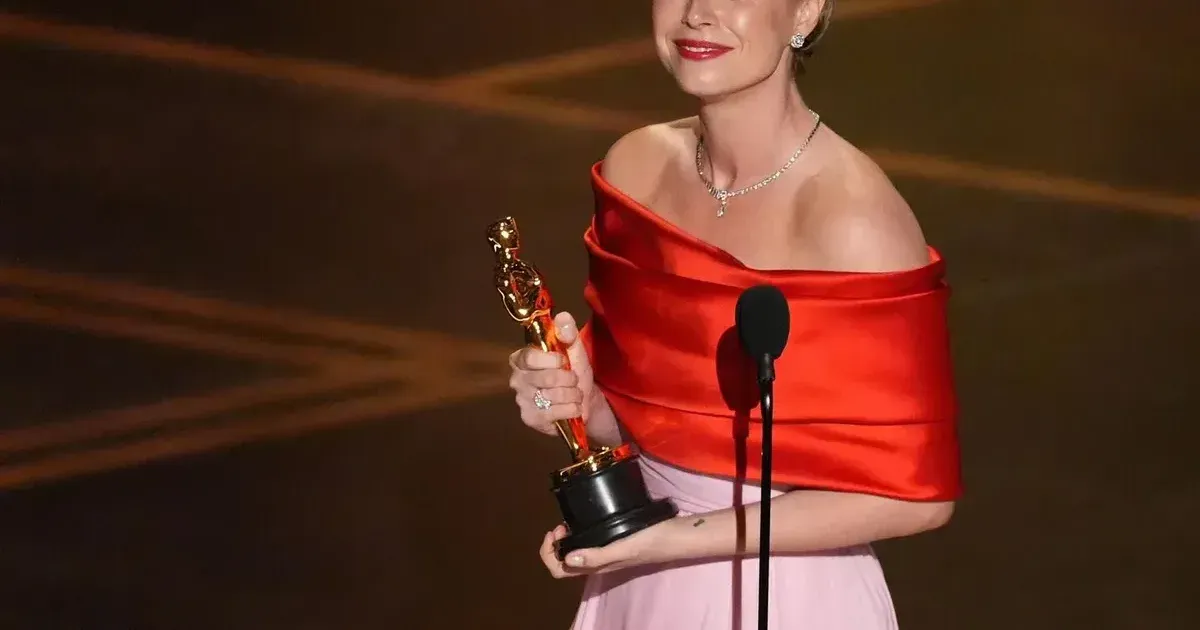
Nielsen data confirmed on Tuesday that the 98th Academy Awards suffered a sharp retreat in television viewership, reversing a multi-year recovery for the film industry. Viewership for the ceremony on ABC fell to 17.9 million people, representing a 9% decline from the previous year. This contraction marks the first year-over-year drop in audience figures since 2021, when the pandemic forced the ceremony into a starkly different format. The numbers landed as a blow to Disney-owned ABC, which had seen steady growth since the record-low viewership levels recorded during the height of the global health crisis.
Audience participation for the telecast had previously clawed back from its 2021 floor, reaching a post-pandemic peak in the 2025 cycle. Yet the momentum stalled entirely this Sunday. Nielsen analysts noted that the total audience size is now at its lowest point since 2022. That year was defined by high-profile on-stage incidents that drove viral interest, whereas the 2026 ceremony struggled to maintain consistent engagement throughout its three-hour duration. Television executives had hoped to build on last year's gains, but the data indicates a widening gap between Hollywood's prestige projects and the viewing habits of the general public.
According to Nielsen, the demographic breakdown suggests that the decline was consistent across major age groups. Digital engagement via clips and social media did not seem to translate into linear television retention, as the broadcast struggled to keep viewers through the final categories. Financial markets reacted quietly to the news, though the long-term value of the Academy Awards as a marquee advertising event remains under scrutiny by major brands. Traditional broadcasters like ABC depend on the Oscars to anchor their spring advertising suites, and a 9% slide reduces the leverage networks have during upfront negotiations.
98th Academy Awards Audience Data Analysis
Hollywood insiders are now dissecting why the program failed to retain the nearly 20 million viewers it captured just twelve months ago. One factor under consideration is the lack of a dominant, billion-dollar blockbuster in the Best Picture race, a historical requirement for high general interest. Meanwhile, the fragmentation of the media world continues to pull eyeballs toward streaming platforms that do not report standard Nielsen metrics. When viewers can watch high-definition clips of the winners on social media within seconds of the announcement, the incentive to sit through a three-hour live broadcast diminishes for many households.
In fact, the 17.9 million figure sits uncomfortably close to the figures seen in the immediate aftermath of the pandemic. While the 2021 ceremony hit an absolute floor of roughly 10.4 million viewers, the subsequent rebound to 16.6 million in 2022 and higher in 2023 suggested a permanent recovery was underway. This latest data point suggests those gains were fragile. By contrast, other live sporting events have seen audience stability or growth over the same period, indicating that the decline may be specific to the awards show format rather than a general rejection of live television.
Still, the production team for the 98th Academy Awards attempted to modernize the ceremony with faster pacing and influencers on the red carpet. These efforts failed to move the needle. Advertisers who paid premium rates for 30-second spots are now looking at the lowest return on investment since the 2022 broadcast. The 17.9 million viewers represent a major portion of the remaining linear television audience, but the downward trend creates a difficult narrative for the Academy of Motion Picture Arts and Sciences to overcome in future sponsorship cycles.
Nielsen Ratings Reveal Cultural Shift
Data from the Nielsen report highlighted that peak viewership occurred during the early technical awards, with a steady decline after the first hour. This pattern is often observed when the winners are perceived as predictable or when the nominees lack broad cultural resonance. Yet the Academy has consistently expanded its Best Picture field to ten films to include more popular titles. The strategy has not yet yielded the consistent 20-plus million viewers that characterized the Oscars during the 2010s. Hollywood is in effect competing for a shrinking pool of attention in an environment where professional film criticism and awards prestige carry less weight than they once did.
Hollywood's biggest night drew its smallest audience in four years Sunday, as viewership for the 98th Academy Awards fell to 17.9 million, a 9% decline from last year's post-pandemic high.
For instance, the gap between the 2024 peak and the current year's numbers reflects a loss of roughly 1.7 million viewers. The loss occurred despite the ceremony featuring several high-profile musical performances and a host with a proven track record. Separately, the international audience for the 98th Academy Awards showed similar signs of fatigue in key markets like the United Kingdom and Canada. Broadcasters in those regions reported that younger audiences are increasingly turning to highlight reels rather than the full telecast.
Even so, the Academy remains the most-watched awards show by a major margin. The Grammy Awards and the Golden Globes have struggled with even more volatile ratings in recent years. In turn, the Oscars remain the gold standard for prestige, but that status is becoming gradually decoupled from commercial television success. Network executives must now decide if the high licensing fees paid to the Academy are sustainable if the audience continues to hover below the 20 million mark.
Why the Oscars Ratings Problem Is Structural
The ratings decline does not mean the Oscars have lost all cultural value; it means the audience now fragments across clips, social feeds and delayed viewing. ABC and the Academy still have a valuable event, but they can no longer measure success by the old Sunday-night standard alone.
The harder truth is that Hollywood keeps asking viewers to treat prestige as appointment television while the industry itself trains them to consume everything in fragments. A ceremony built around suspense, speeches and shared timing cannot thrive when the most memorable moments are clipped before the final award is handed out. The Oscars are not dead, but the old bargain is. If the Academy wants mass attention back, it needs films people have actually seen and a broadcast that feels essential before social media has already stripped it for parts.