Tulsi Gabbard entered the Senate Select Committee on Intelligence hearing room on March 17 to address mounting questions regarding the March 2026 strikes against Tehran. The Director of National Intelligence appeared alongside CIA Director John Ratcliffe to explain the disconnect between agency assessments and White House rhetoric. Senators focused specifically on the classified data shared with President Trump before the launch of Operation Epic Fury. The Senate inquiry became a direct challenge to the administration’s public case for the strikes. Senator Angus King of Maine led the interrogation by highlighting specific discrepancies in the administration's public narrative. King noted that while the President claimed an imminent nuclear threat, the underlying intelligence suggested a more fragmented reality. Speculation regarding the timeline of executive decision-making has intensified for weeks. Ratcliffe maintained that the CIA provided a range of probabilities rather than a singular conclusion.
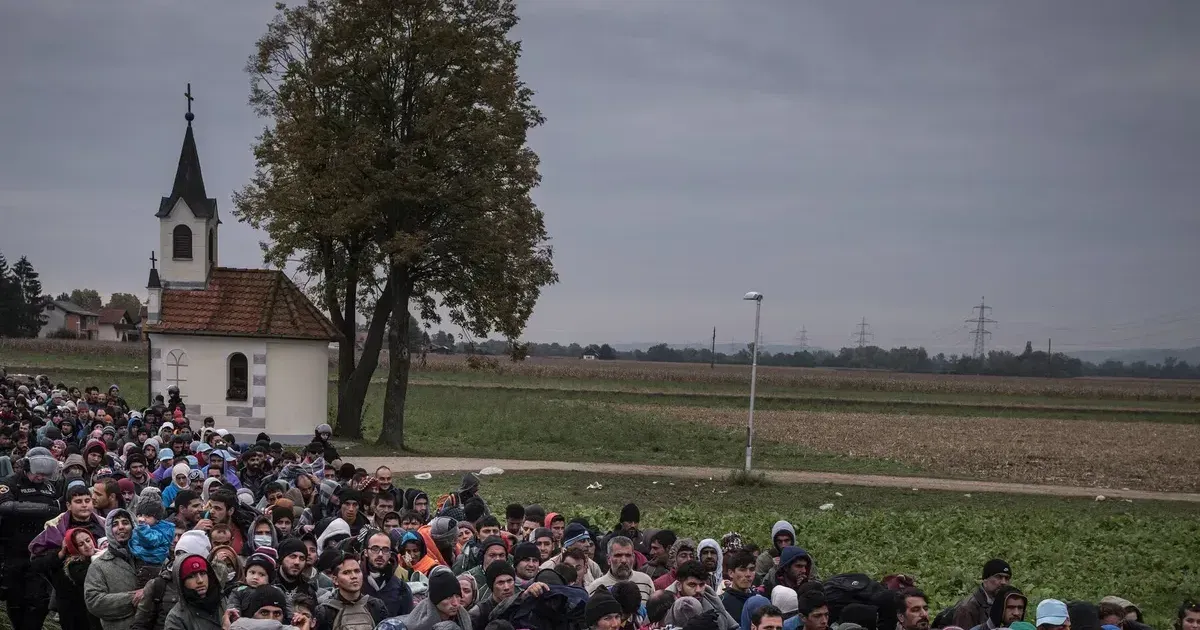
But the fallout from these strikes has extended far beyond the borders of the Middle East. Europe now faces the specter of a humanitarian disaster as the conflict enters its second month. Leaders in Brussels and Berlin have expressed private frustration with the Washington-led escalation. International observers worry that the displacement of civilians from Iranian urban centers will overwhelm Mediterranean border controls. Meanwhile, the testimony from Gabbard suggests that the intelligence community may have been sidelined during the final planning stages of the air campaign. She admitted that the raw data provided to the Oval Office underwent significant internal debate before the first missiles were fired. Critics of the administration argue that the President oversimplified complex threat assessments to build public support for military action.
Senate Scrutinizes Operation Epic Fury Rationale
Angus King pressed the witnesses for a timeline of the briefings provided to the President in the week preceding the strikes. He asked whether the intelligence agencies had confirmed a specific launch window for an Iranian weapon of mass destruction. Gabbard replied that the information was fluid and characterized by varying degrees of certainty. This data formed the basis of the President's subsequent national address. Yet the President's public statements characterized the threat as absolute and verified. According to committee sources, the disparity between the cautionary tone of the intelligence and the certainty of the executive branch is the primary focus of the ongoing investigation. Members of the committee have requested the full, unredacted transcripts of the daily briefings provided to the President throughout February.
The President's public claims do not align with the intelligence products we have reviewed in this secure facility.
In fact, the CIA assessment allegedly contained multiple caveats regarding the reliability of human intelligence sources in Isfahan. Ratcliffe defended the agency's performance, stating that intelligence is rarely a perfect mirror of future events. He insisted that the risk of inaction was weighed heavily against the potential for regional destabilization. The hearing adjourned without a clear consensus on whether the threshold for war had been met.
European Leaders Brace for Migration Crisis from Iran
European officials are currently monitoring satellite imagery of civilian movement across the Iranian border into Turkey and Iraq. The memory of the 2015 migration crisis remains fresh in the minds of policymakers who fear a surge in far-right political influence. Ten years ago, a similar influx of refugees from Syria reshaped the European political map. European Union leaders have already begun discussing the implementation of emergency border protocols.
In turn, the war has disrupted global energy markets and sent oil prices to levels not seen in a decade. Shipping lanes in the Persian Gulf remain high-risk zones, leading to a surge in maritime insurance premiums. Analysts in London suggest that a prolonged conflict will force European nations to seek alternative energy supplies while simultaneously managing a refugee influx. For one, Greece and Italy have requested increased funding from the European Commission to fortify their naval patrols.
Still, the geopolitical consequences of Operation Epic Fury continue to ripple through the North Atlantic Treaty Organization. Some member states have questioned the unilateral nature of the U.S. strikes, which were conducted without the formal consultation of the North Atlantic Council. This tension complicates the diplomatic efforts required to stabilize the region. To that end, the French government has called for an emergency summit of the G7 to discuss a ceasefire structure.
Ratcliffe and Gabbard Testify on Presidential Briefings
Separately, the investigation has uncovered a series of internal emails within the Office of the Director of National Intelligence. These documents suggest that some analysts felt their warnings about civilian casualties were being ignored. Gabbard denied these claims during her testimony, asserting that all dissent was recorded and presented to the National Security Council. The debate over the politicization of intelligence has become a central theme of the 2026 legislative session. History suggests that the relationship between intelligence agencies and the executive branch is often fraught with friction during wartime. But the current accusations involve a more systematic effort to select intelligence to fit a pre-existing policy goal. Senator King emphasized that the credibility of the U.S. intelligence apparatus depends on its ability to remain independent from partisan interests. Several high-ranking officials within the CIA reportedly considered resignation in the days following the initial strikes.
Even so, the administration remains firm in its stance that the intervention prevented a much larger catastrophe. White House spokespeople have dismissed the Senate inquiry as a politically motivated distraction. They maintain that Operation Epic Fury achieved its primary objective of neutralizing Iranian ballistic missile sites. This strategy has drawn praise from some defense hawks who believe a decisive show of force was necessary to deter regional aggression. Intelligence officials are expected to return to the Senate for a second day of closed-door testimony later this week. The committee plans to call military commanders who oversaw the tactical execution of the strikes. Their testimony will likely focus on the battle damage assessments and the accuracy of the initial targeting data. Public trust in the justification for the war hangs in the balance as these details emerge.
The Oversight Fight Behind the Iran War Case
War in the Middle East is a predictable tragedy, but the weaponization of intelligence is still a uniquely American sin. We are seeing a repeat of the same patterns that led this nation into Iraq more than twenty years ago. The Trump administration appears to have treated intelligence like a buffet, selecting only the morsels that satisfied an appetite for conflict while discarding the warnings of professional analysts. Tulsi Gabbard and John Ratcliffe might defend their integrity under the hot lights of a Senate hearing, but their proximity to this strategic blunder renders their excuses hollow.
If the intelligence was as fluid as they now claim, then the certainty with which the President spoke to the American people was not just an error, it was a fabrication. Europe now pays the price in the form of a looming migration crisis that threatens to tear the continent's social fabric once again. We must stop pretending that these military ventures are surgical or contained. They are blunt instruments that shatter global stability. The Senate investigation must not stop at asking questions; it must demand accountability for those who manipulated the truth to launch a war that nobody but the White House wanted.