Kitchen drawers across America harbor a silver-colored staple that poses a concealed threat to the Sunday roast. Aluminum foil remains a widespread tool for covering leftovers or wrapping poultry due to its flexibility and low cost. But most home cooks remain unaware of the volatile chemistry that occurs when this metal meets a standard marinade.
Problems arise when foil surfaces come into direct contact with the acidic components required to tenderize meat. Vinegar, citrus juices, and tomato-based sauces trigger a chemical reaction known as galvanic corrosion. This interaction transforms a simple storage solution into a source of metallic contamination. Food scientists warn that the process leads to the physical degradation of the metal within hours of contact with low-pH liquids.
Tiny holes, frequently referred to as pitting, appear in the foil as the aluminum dissolves into the food. In fact, a marinade containing lemon juice or white vinegar can eat through standard household foil in less than twelve hours. The resulting liquid contains dissolved aluminum salts that alter the flavor profile of the protein. Most professional kitchens strictly forbid the use of aluminum for marination tasks for this reason.
Chemical Reactions Between Acids and Aluminum Surfaces
Aluminum is a highly reactive metal that naturally forms a thin, protective layer of aluminum oxide when exposed to air. While this layer prevents corrosion in dry environments, it fails when submerged in acidic or salty solutions. The ions in salt and the hydrogen ions in acids act as electrolytes. They penetrate the oxide layer and begin the process of breaking down the underlying metal. This creates a battery-like effect on the surface of the meat.
Aluminum is highly reactive when exposed to the low pH levels found in common kitchen staples like vinegar or lemon juice.
According to research from the University of California, the presence of sodium chloride sharply accelerates this electrochemical breakdown. Most marinades utilize salt to draw moisture and seasoning into the muscle fibers. When that salt combines with an acid like balsamic vinegar, the foil effectively begins to liquefy at the contact points. You might notice small black specks on your chicken or steak after refrigerating it overnight. Those specks are deposits of aluminum oxide and metal fragments.
Still, the issue extends beyond visual changes to the food. High-acid ingredients like wine or yogurt produce a distinct metallic tang when stored in aluminum. This occurs because the aluminum ions bond with the proteins in the meat. In particular, light-colored meats like pork or fish show visible gray discoloration at the site of the reaction. Heavy-duty foil offers slightly more resistance than thin varieties but eventually succumbs to the same chemical fate.
Health Risks and Metallic Contamination in Food
Leaching is the primary concern for health-conscious consumers who prioritize ingredient purity. The U.S. Food and Drug Administration monitors the levels of metals in the food supply, but household storage habits fall outside their regulatory reach. While aluminum is the most abundant metal in the earth's crust, the human body has no biological need for it. Excessive accumulation can lead to neurological concerns over long periods of exposure.
Studies published in various food safety journals indicate that marinating in foil can increase the aluminum content of meat by over 100 percent. For instance, a single serving of beef marinated in an acidic sauce inside a foil pouch can contain up to 80 milligrams of leached metal. By contrast, the same meat stored in glass shows zero increase in aluminum levels. The concentration of the metal depends on the temperature of the refrigerator and the duration of the soak.
Meanwhile, the World Health Organization has established a provisional tolerable weekly intake for aluminum at 2 milligrams per kilogram of body weight. A single dinner featuring foil-marinated ribs could represent a significant portion of that weekly limit. Children and elderly individuals with compromised kidney function are at the highest risk for metal accumulation. The body typically filters out small amounts of aluminum through the kidneys, but high-dose spikes from contaminated meals stress the system.
Testing Marinade Reactivity Across Different Storage Vessels
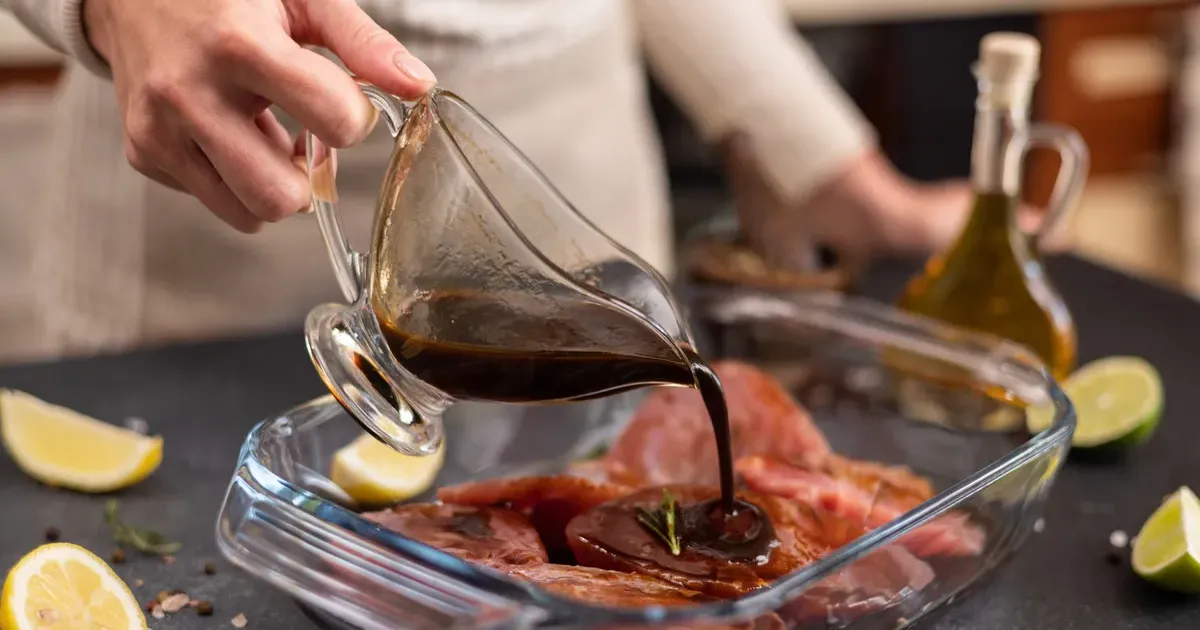
Glass containers stand as the gold standard for food safety and flavor preservation. Borosilicate glass is entirely inert, meaning it will not react with even the most aggressive citric acid concentrations. Using glass allows the natural enzymes in the marinade to work on the meat fibers without interference from metal ions. It also permits the cook to monitor the color change of the meat without opening the seal.
Ceramic bowls provide a similar level of protection provided they are finished with a lead-free glaze. Some older or imported ceramics may have glazes that react poorly with acids, though modern food-grade sets are generally safe. In fact, many traditional Mediterranean recipes specify the use of earthenware crocks for long-duration marinating. These vessels maintain a consistent temperature and prevent the transfer of off-flavors from the environment. Stainless steel is a popular choice in commercial settings, though not all grades are equal.
Only high-quality stainless steel, such as 304 or 316 grade, resists the corrosive effects of a salty marinade. Lower-grade steels may contain higher levels of carbon and less chromium, leading to rusting or pitting over time. For one, the $10 billion commercial kitchen equipment industry relies heavily on 18/10 stainless steel for its durability. Plastic bags and containers are a common alternative, but they must be labeled as BPA-free and food-grade. Acidic marinades can degrade certain types of soft plastics, leading to the migration of chemical plasticizers into the fat cells of the meat.
Professional Standards for Long Term Meat Marination
Culinary experts emphasize that the vessel is just as important as the seasoning blend. Chef training programs across the globe teach the importance of non-reactive equipment. They highlight how aluminum can turn a bright, herb-infused marinade into a dull, gray slurry. To that end, most high-end restaurants utilize vacuum-sealing technology for their marination processes. It removes air and forces the liquid into the protein without any risk of metal leaching.
Vacuum sealing also prevents cross-contamination in the refrigerator. If you must use a bowl, a tight-fitting lid or a layer of plastic wrap is preferable to foil. Plastic wrap does not react with acids, though it should not touch the meat directly if it contains certain phthalates. Separately, the use of resealable silicone bags has surged among home cooks. Silicone is heat-stable and chemically inert, making it an ideal candidate for acidic food storage.
By contrast, the convenience of aluminum foil often masks the long-term cost of damaged cookware and tainted meals. Many people find that their expensive knives dull faster when they regularly cut meat that has absorbed aluminum salts. The metal residue acts as a mild abrasive on the edge of the blade. Most recipes that call for foil wrapping actually intend for the foil to be used during the dry roasting phase, not the wet marination phase. Mixing these two steps is a common error in domestic kitchens.
The Elite Tribune Perspective
Why do modern consumers continue to gamble with their neurological health for the sake of a thirty-second cleanup? The persistent reliance on aluminum foil for marinating meat is a symptom of a broader cultural obsession with disposable convenience over substance. We have become a society that ignores basic high school chemistry in favor of whatever is within arm's reach in the pantry. The laziness is not just a culinary failing. It is a fundamental disregard for the integrity of the ingredients we claim to value.
A cook who spends fifty dollars on a prime cut of Wagyu only to drench it in aluminum ions has failed at their craft. The metallic tang of a ruined marinade is the price of that negligence. We must stop pretending that 'fast' and 'easy' are synonymous with 'good'. If you cannot be bothered to wash a glass bowl, you have no business handling high-quality proteins. The science is settled, the risks are documented, and the solution is as simple as reaching for a different container.
It is time to retire the silver crutch of the kitchen and return to storage methods that actually respect the biology of the food on the table.