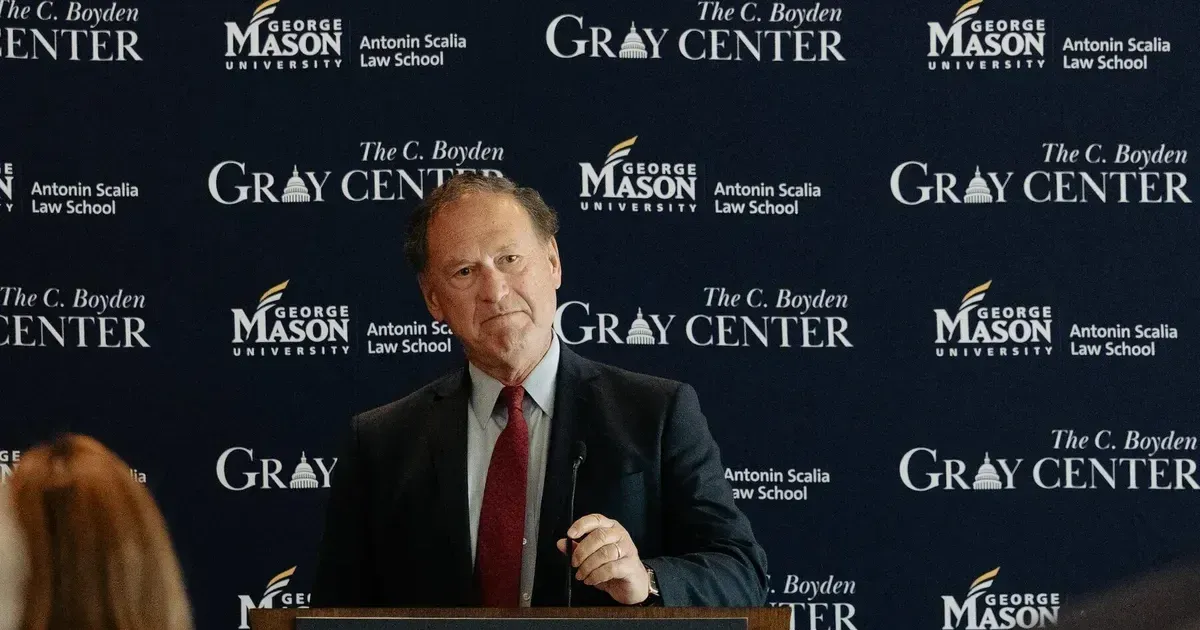
Speculation over Justice Samuel A. Alito Jr.'s future intensified as conservative legal strategists looked toward the 2026 midterms. The discussion reflects how closely judicial timing now tracks electoral risk. Republicans still controlled the Senate. By April 11, 2026, pressure was building around whether a retirement would let President Donald Trump name another Supreme Court justice.
Samuel A. Alito Jr. had been a foundation of the originalist movement since George W. Bush nominated him in 2005. His tenure is defined by a rigorous adherence to text and tradition, most especially in his authorship of the opinion that overturned federal abortion protections. Critics and allies alike recognize his influence as a primary driver of the current judicial philosophy. Many advocates fear that failing to step down now could repeat the circumstances of 2020 when a vacancy opened under less favorable political conditions.
Republican donors have reportedly allocated over $5 million for media campaigns designed to promote the legacy of the current bench while subtly encouraging renewal. These advertisements focus on the importance of judicial stability. Barrett, Kavanaugh, and Gorsuch represent the first wave of this transformation. Adding a fourth Trump appointee would create a block of justices with potentially forty years of service remaining.
Samuel Alito and the Conservative Judicial Legacy
Alito often finds himself at the center of the most disputed legal battles in modern American history. He joined the court in 2006 after a bruising confirmation battle that foreshadowed the current era of judicial polarization. His consistent votes against expanding administrative state powers have made him a hero to limited government proponents. Legal scholars at the Heritage Foundation note that his absence would leave a significant void in the intellectual leadership of the right wing. His departure is more than a personnel change but a transition of ideological guardianship.
The Constitution makes no reference to abortion, and no such right is implicitly protected by any constitutional provision, Alito wrote in the 2022 Dobbs decision.
Public statements from the justice have occasionally hinted at the personal toll of nearly two decades on the high court. He has spoken about the changing nature of public discussion and the increasing scrutiny of judicial families. While he has not given a definitive timeline for his exit, the window for a safe confirmation is narrowing. The Senate Judiciary Committee is currently prepared to fast-track any nominee presented by the White House. This current legislative alignment provides a rare opportunity for a guaranteed outcome.
Senate Control and the Judicial Confirmation Timeline
Calculations regarding the Senate map suggest a Republican majority is not guaranteed in the next cycle. Several vulnerable incumbents face difficult reelection campaigns in states where the president's popularity has fluctuated. If the chamber flips, any Trump nominee would face immediate obstruction or outright rejection. Historical data indicates that the final six months of a congressional term are the most difficult for confirming lifetime appointments. Leaders in the Senate have privately urged the administration to secure a commitment from Alito by early summer.
White House officials have remained silent on any private communications with the Supreme Court. They prefer to let outside organizations lead the public conversation to maintain the appearance of judicial independence. Strategists understand that a forced retirement could backfire by appearing overly political. Instead, the focus stays on the concept of legacy and the preservation of the constitutional order Alito helped build. His clerks from previous terms have begun moving into private practice or high-level government roles.
Judicial vacancies often become the primary motivator for base voters on both sides of the aisle. For the Republican base, the Supreme Court is the clearest evidence of political success. Democrats, by contrast, view another Trump appointment as an existential threat to civil liberties. The intensity of this disagreement ensures that any confirmation hearing will be a national spectacle. Protests are already being planned near the Supreme Court building in anticipation of an announcement.
Past precedents indicate that justices are increasingly mindful of the political leanings of the president who will name their successor. Justice Anthony Kennedy famously chose to retire during the first Trump administration after receiving private assurances about the caliber of his potential replacements. Earlier, Justice Stephen Breyer stepped down under pressure from the left to allow President Biden to appoint Ketanji Brown Jackson. These moves suggest that the era of staying on the bench until death or incapacity is fading. Younger justices are now the norm for new appointments.
Legal analysts suggest that a younger nominee would likely be in their late 40s or early 50s. This age range maximizes the impact of the appointment across several decades. Trump has a proven track record of selecting candidates with established conservative credentials from the federal appeals courts. Names currently circulating in legal circles include several top judges from the Fifth and Eleventh Circuits. These individuals have already undergone extensive vetting by the White House Counsel office.
The current term ends in June, which is the traditional time for retirement announcements. Waiting until the fall would push the confirmation hearings into the peak of the campaign season. Senators running for reelection generally prefer to avoid high-profile floor votes during the final weeks of their races. A June announcement provides a clean path through the summer months. The logistics of a Supreme Court transition require months of preparation for both the court and the nominee.
Internal relations among the nine justices are reportedly professional but strained by the weight of recent decisions. Alito has been a vocal defender of the court against external criticism regarding ethics and transparency. He has often argued that the judiciary must stay insulated from the whims of public opinion. However, the external pressure from his own ideological camp is difficult to ignore completely. Friends of the justice describe him as deeply concerned with the long-term stability of his judicial philosophy.
External groups have launched a series of letter-writing campaigns and public petitions. These efforts are intended to show Alito that his retirement would be viewed as a final act of service to the movement. Some critics argue that these tactics undermine the dignity of the office. They believe that a justice should only leave when they feel they can no longer perform their duties. The tension between institutional dignity and political utility is a recurring theme in Washington. Alito has outlasted many of his contemporaries on the bench. He has seen the court shift from a moderate conservative tilt to its current solid originalist stance. Whether he decides to step down now or stay through the next term, his impact on American law is already permanent. The decision belongs to him alone, yet the consequences will be felt by every citizen. His choice will define the final chapter of a career that changed the nation.
Timing and Court Power
Power is a perishable commodity in Washington. The debate over the retirement of Samuel A. Alito Jr. is not about his health or his mental acuity but about the cold mathematics of political survival. For the conservative legal movement, the lesson of the 2020 vacancy is clear: waiting for a more convenient time is a luxury that the modern Senate does not provide. If Alito chooses to stay, he is gambling the entire legacy of the Dobbs era on the whims of a volatile electorate. It is a risk that seems increasingly unnecessary given the current alignment of the White House and the Senate. Principled stances on judicial independence are noble in theory but often fail against raw political reality. The judiciary has become the most powerful lever of social and economic policy in the United States. To treat a Supreme Court seat as a personal possession rather than a strategic asset for a broader movement is a tactical error. Alito has the opportunity to dictate the terms of his departure and ensure that his seat stays in the hands of a like-minded successor. Failing to act before the 2026 midterms would be an act of vanity that could undo forty years of legal gains. The movement demands a sacrifice for the sake of the mission. History is rarely kind to those who overstay their welcome. The time for Alito to exit is now.