Massapequa Park families gathered to process the final legal filings in the case of Rex Heuermann. The suburban enclave once offered a quiet refuge for hundreds of retired and active New York City police officers. The final legal filings brought the case back before residents on April 11, 2026. Neighborhood residents often describe the community as a safe zone where everyone knew each other and doors stayed unlocked. This sense of security shattered when investigators identified a neighbor as the primary suspect in a series of brutal murders.
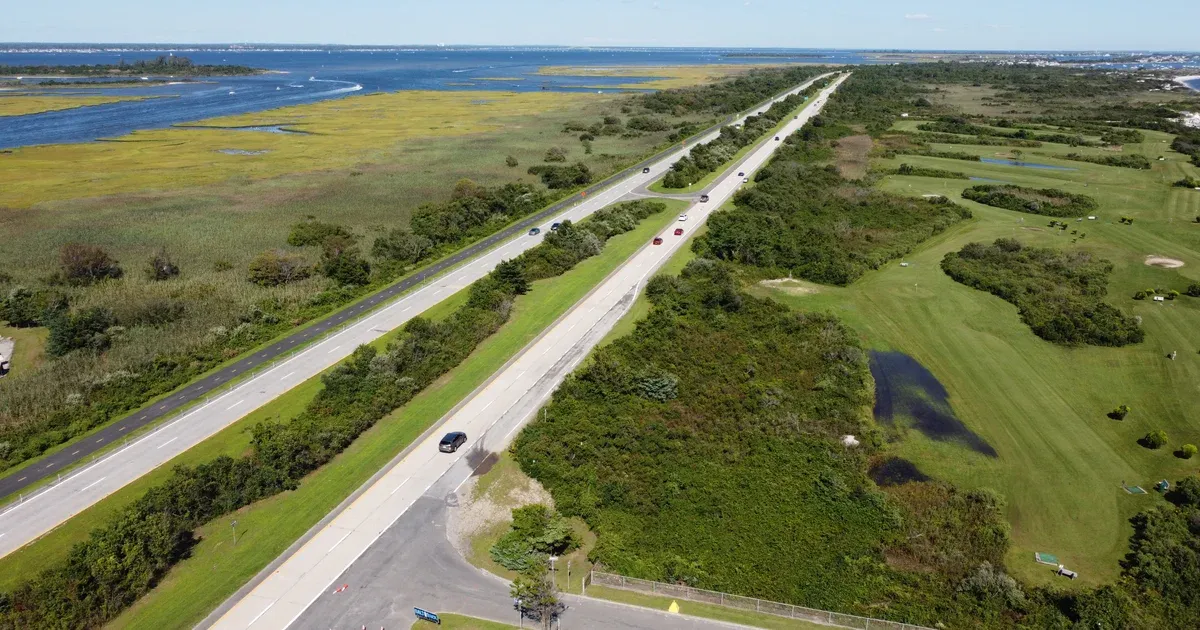
Forensic teams spent weeks dismantling the interior of a dilapidated home on First Avenue while children played in the street just yards away. Evidence gathered from the site linked the resident to bodies discovered along a desolate stretch of Ocean Parkway. The town now deals with the reality that a suspected serial killer lived among law enforcement professionals for decades.
Massapequa Park Law Enforcement Culture
Officers from the NYPD and Nassau County Police Department chose this village for its reputation as a disciplined, family-oriented environment. Law enforcement families make up a significant part of the population. Residents felt a unique layer of protection because of the high density of off-duty officers living on every block. Massapequa Park functioned as a bubble where the dangers of the city seemed distant. Crime rates stayed low and property values remained stable because the community self-policed through informal networks. Neighbors watched out for suspicious vehicles and unfamiliar faces. Heuermann, however, avoided detection by maintaining a mundane routine as a Manhattan architect.
Suburban life revolved around youth sports and community fundraisers. People in the neighborhood frequently saw the suspect commuting to the Long Island Rail Road station. Nobody suspected that the man carrying a briefcase to work might be connected to the disappearances of young women. Local police families expressed deep shock that someone could hide such dark behavior in a town where situational awareness is a professional trait. The presence of a serial killer in a town full of cops exposes the limitations of community surveillance. Criminal profiling often assumes killers avoid high-security areas, but this case proves otherwise.
Gilgo Beach Cold Case Evidentiary Breakthroughs
Detectives in Suffolk County struggled for over a decade to identify the person responsible for the remains found near Gilgo Beach. The discovery of Shannan Gilbert, who went missing in May 2010, led police to a burial ground containing multiple victims. Four women, known as the Gilgo Four, were found wrapped in burlap within a short distance of each other. These victims included Melissa Barthelemy, Megan Waterman, Amber Costello, and Maureen Brainard-Barnes. Investigative efforts stalled for years due to a lack of physical evidence and internal department scandals. Legal developments continue as Rex Heuermann is expected to enter a plea regarding the ongoing beach murder investigation.
Technological advancements in genetic genealogy eventually provided the lead needed to narrow the search. Investigators used discarded pizza crusts and hair samples to establish a DNA link between the suspect and the crime scenes.
The work of the task force has ensured that the victims in this case are no longer just names on a cold case file but individuals whose lives demand justice, according to Suffolk County District Attorney Ray Tierney.
Mobile phone records played an essential role in tracking the suspect’s movements. Burner phones used to contact the victims pinged towers near Massapequa Park and the suspect's Manhattan office. Forensic analysts reconstructed a digital trail that confirmed the physical evidence found in the home. Digital footprints often persist long after a crime occurs. Data recovered from an old hard drive provided a glimpse into the predatory patterns used to lure victims. The sheer volume of digital information required years of analysis by state and federal experts. Prosecutors now possess a full map of the suspect's activities during the years the murders took place.
Rex Heuermann Legal Strategy and Trial Impacts
Defense attorneys representing the accused architect focused on challenging the validity of the DNA evidence. Legal teams argued that the methods used to collect samples from public trash bins violated privacy rights. Courtroom debates centered on the chain of custody for the burlap fibers and hair follicles found on the victims. Judges reviewed thousands of pages of documents to determine which evidence could be presented to a jury. The defense also pointed toward the historical corruption within the local police department as a reason for skepticism. Former officials in the county faced prison time for unrelated crimes, which created a difficult environment for the current prosecution. These legal hurdles extended the timeline for the trial sharply.
Public interest in the proceedings stayed high as new details emerged about the suspect's private life. Manhattan clients of the architecture firm expressed disbelief that their professional consultant faced such charges. The suspect’s family members maintained their distance from the media while the investigation expanded into other states. Authorities searched properties in South Carolina and Nevada to check for links to unsolved cases in those regions. Every discovery added a new layer of complexity to the legal proceedings. The prosecution focused on building a mountain of circumstantial evidence that outweighed any single technical objection. Witnesses from the suspect's past provided testimony regarding his behavior and interests.
Suffolk County Investigative Oversight Reforms
Policy changes within the Suffolk County Police Department followed the arrest of the suspect. New leadership implemented protocols to ensure cold cases receive regular reviews by external agencies. The department established a permanent task force dedicated to missing persons and unidentified remains. Transparency became a priority to rebuild public trust after years of investigative delays. Forensic laboratories received $100 million in funding to upgrade equipment and hire additional staff. These investments aim to prevent future cases from languishing for decades without resolution. State officials closely monitored these reforms to ensure compliance with new justice standards.
Victim advocacy groups pushed for better treatment of families involved in long-term investigations. Families of the Gilgo Four waited nearly 15 years for an arrest in the case. Support networks now provide resources for those dealing with the trauma of cold case resolutions. Community members in Massapequa Park also sought counseling to deal with the proximity of the crimes. The psychological impact of living next to a burial ground or a killer remains a significant concern for local health officials. Long-term studies on community trauma are currently underway in the area. Local schools introduced programs to help students process the news coverage surrounding their town.
Suburban safety is an expensive illusion bought with silence and proximity. For years, the narrative of Massapequa Park as a blue-blooded fortress of law and order provided the perfect camouflage for a predator. The irony of a serial killer living in a town saturated with police officers is not an indictment of the individual cops, but an indictment of the institutional arrogance that defines suburban policing. When a community believes it is inherently safe because of who lives there, it stops looking for the rot within its own borders.
The Rex Heuermann case exposes a blind spot in the American psyche: the refusal to believe that the man in the suit, the man with the architectural firm, the man who pays his taxes, is capable of such depravity.