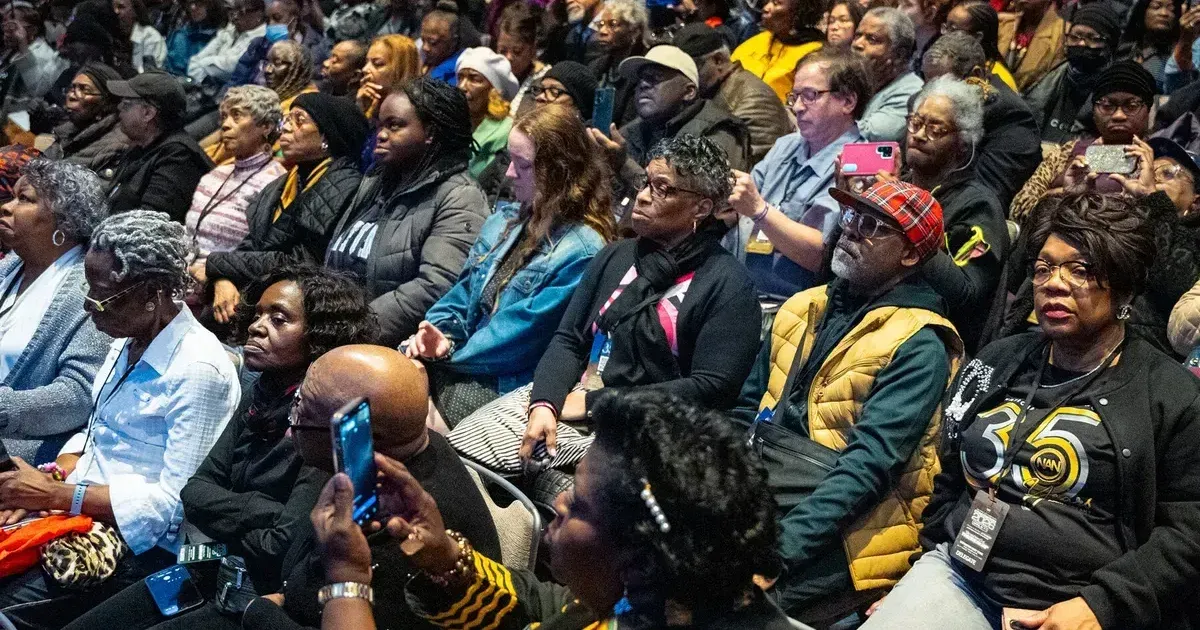
Democratic contenders moved into South Carolina and Georgia to secure early loyalty from Black voters. Potential presidential candidates are already touring churches, barbershops, and community centers to establish deep roots before the primary season begins. Maryland Governor Wes Moore and California Governor Gavin Newsom have both scheduled appearances in Atlanta this month. Early 2028 contenders courted Black voters on April 11, 2026, as the outreach push accelerated. Recent polling suggests that maintaining the support of this demographic is no longer a certainty for the party.
South Carolina holds a position of heightened influence due to its elevated status in the primary calendar. Political advisers recognize that no candidate can secure the nomination without a dominant performance in Columbia and Charleston. Organizers in these cities have reported a surge in outreach from national figures earlier than in previous cycles. Maryland Governor Wes Moore has emphasized his shared experience and executive record as a foundation for his national appeal. Calculations regarding the 2028 primary calendar now dictate every travel schedule.
Southern Primary Calendar and Early State Influence
Georgia became a central battleground where candidate visibility translates directly into delegate counts. Organizers in Fulton County noted that three potential candidates sent staff to open local offices before the midterm elections had even concluded. Democratic National Committee members have focused on state-level infrastructure to prevent the erosion of support seen in certain urban centers. Candidates must navigate a complex web of local endorsements that often determines the viability of a campaign in its infancy. Records from the previous election show that turnout among Black men aged 18 to 35 dropped by 8 percent in key precincts. This data point has triggered a scramble among consultants to craft messaging that focuses on real economic results. Pennsylvania Governor Josh Shapiro has begun highlighting his state’s investments in urban infrastructure during meetings with Southern leaders. Governors often find that their legislative accomplishments at home provide the best resume for skeptical voters in other regions.
Early engagement often prevents the perception of seasonal interest that plagues many national campaigns. Black voters in the South have expressed a desire for consistent presence rather than last-minute rallies. This requires a multi-year strategy that begins years before the first ballot is cast. Candidates who fail to show up in non-election years frequently struggle to gain traction when the official primary season commences.
Economic Policy and Urban Investment Strategies
Economic equity is the primary focus of 2028 platforms currently in development. Michigan Governor Gretchen Whitmer recently discussed the success of her manufacturing initiatives during a roundtable with Black business owners. These leaders want more than rhetoric about diversity; they want access to capital and federal contracts. While Bloomberg suggests that the party is focusing on social issues, recent campaign stops indicate a pivot toward industrial policy and job creation in minority communities.
Federal investment in green energy has become a talking point for candidates visiting the Research Triangle in North Carolina. Proponents of these policies argue that the transition to a new economy must include the workers who were left behind during the deindustrialization of the late 20th century. Candidates are presenting specific plans to integrate vocational training with high-tech manufacturing. These proposals aim to address the wealth gap that persists across the Sun Belt. Beyond the governors, Kamala Harris continues to be a central figure in discussions regarding the party's future. A Democratic National Committee spokesperson said the 2028 cycle would be defined by how effectively candidates demonstrate a direct link between policy choices and the economic health of Black families. Numbers from the 2024 exit polls suggest a narrowing margin that party leaders cannot ignore.
Civil Rights Legislation and Candidate Track Records
Voting rights remain a central foundation of the Democratic platform as candidates compete for the mantle of civil rights defender. Legislative stalemates in Washington have pushed the responsibility of protecting the franchise onto state executives. Governor Gavin Newsom has frequently contrasted California’s expansive voting laws with the restrictive measures passed in neighboring states. Candidates use these comparisons to build a national profile as a fighter for democratic participation. The John Lewis Voting Rights Act continues to be a test for any serious contender. Every major potential candidate has voiced support for the federal legislation, yet voters are looking for specific strategies to bypass congressional gridlock. Activists in Selma and Montgomery have demanded that candidates provide a plan for federal intervention in state-level election disputes. This demand for a concrete plan reflects a broader shift away from purely symbolic gestures.
Criminal justice reform is also surfacing as a top priority during early town hall meetings. Candidates are balancing the need for public safety with the demand for systemic changes in policing and sentencing. Governor Wes Moore has pointed to Maryland’s recent parole reforms as a model for federal policy. These records allow governors to present themselves as proven reformers who understand the complexities of the legal system.
Shifting Demographics and Young Voter Engagement
Younger Black voters are increasingly skeptical of traditional party loyalty and demand specific returns on their political investment. Data from the 2024 cycle indicated that younger generations are more likely to identify as independent if they feel ignored. Candidates are responding by using digital platforms and local influencers to reach voters where they live. The approach departs from the traditional top-down communication style that dominated previous decades.
Michigan’s Gretchen Whitmer has leveraged her successes in Detroit to build a case for her candidacy in other urban hubs. Her focus on education and childcare connects with young parents who are struggling with the rising cost of living. Candidates are finding that localized issues often have national resonance when framed through the lens of economic survival. The ability to speak to the daily struggles of a family in Philadelphia or Milwaukee is essential for national success. Party strategists are also monitoring the movement of Black voters to suburban areas in the South. The geographical shift requires a new type of organizing that focuses on the unique needs of suburban communities. Issues like transit, property taxes, and school funding are becoming just as important as traditional urban priorities. The candidate who can bridge the gap between these different environments will likely have the strongest path to the nomination.
Primary Coalition Test
Will the 2028 primary cycle finally force the Democratic establishment to move beyond the performative politics that have characterized its relationship with Black voters for decades? The current rush to South Carolina and Georgia suggests that potential candidates are terrified of a repeating pattern where urban margins continue to erode. However, the reliance on the same group of governors to solve a national enthusiasm problem is a risky bet that ignores the deep frustration among the party’s most loyal base. Candidates are currently selling a version of the future that looks strikingly like the past, decorated with new digital tools and more frequent travel schedules.
The fundamental issue is not a lack of visibility but a perceived lack of reciprocity. Black voters saved the Democratic party in 2020 and 2024, yet many feel the policy rewards have been incremental at best. If Wes Moore or Gretchen Whitmer believes that simply appearing in a Black church once a quarter will suffice, they are deeply misreading the room. The 2028 nominee will be the individual who stops treating this constituency like a reliable ATM and starts treating them like the primary shareholders of the Democratic enterprise. Anything less is a recipe for a catastrophic collapse in November. The clock is already ticking.