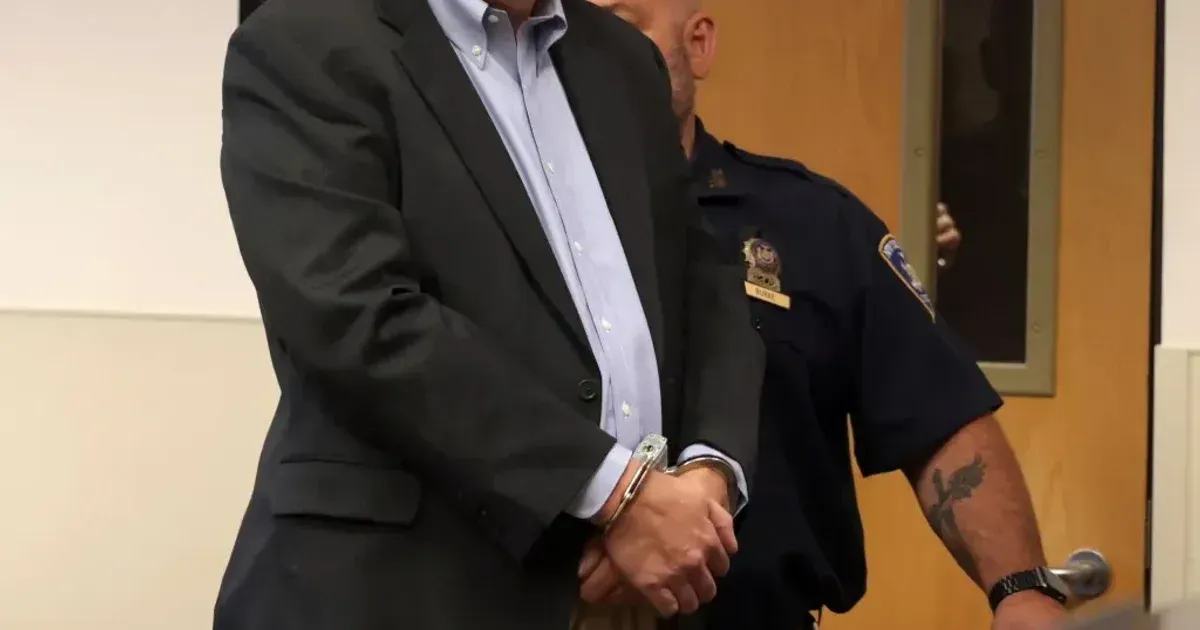
Rex Heuermann's expected guilty plea would bring a major legal turn in the Gilgo Beach case, but it would not make the long investigation simple. Families may get a resolution without a trial, while the public record still raises questions about how the case took years to break open. The court appearance was scheduled for April 8, 2026, in Suffolk County. Prosecutors have built the case around digital records, surveillance material and DNA analysis tied to the remains of seven women.
Rex Heuermann Court Proceedings in Riverhead
Court officials in Riverhead confirmed the change of plea hearing after weeks of negotiations between the district attorney and the defense team. Law enforcement sources suggest the plea deal may involve consecutive life sentences without the possibility of parole. This arrangement ensures the suspect will never leave the correctional system while sparing the families the trauma of a public trial. Conviction remains the only path for a prosecution armed with overwhelming digital evidence.
Gilgo Beach became a focal point of international interest after the remains were discovered during a search for Shannan Gilbert in December 2010. The initial discoveries included Megan Waterman, Amber Costello, Melissa Barthelemy, and Maureen Brainard-Barnes. These women, known as the Gilgo Four, were found wrapped in burlap along a remote stretch of Ocean Parkway. Architecture offices in Manhattan were the unlikely backdrop for the planning of these crimes.
Rex Heuermann Physical Condition and Weight Issues
Physical health issues have plagued the defendant since his incarceration at the Suffolk County Jail. Observers noted that the suspect has been using crutches to navigate the hallways of the courthouse during recent preliminary hearings. Sources within the jail system attribute this change in mobility to a foot ailment worsened by his physical stature. Weight issues frequently complicate the health of inmates who lead sedentary lifestyles while awaiting trial. Medical staff at the facility monitored the condition, though the defense team has not formally requested a delay based on these health concerns. The suspect appeared visibly diminished in recent months compared to his appearance at the time of his 2023 arrest.
"He's a big fat man. It's a foot issue. It's an offset [of his weight]," one source said.
Suffolk County District Attorney Ray Tierney took a personal interest in the case, often appearing in court to lead the prosecution team. Tierney formed a multi-agency task force in 2022 that successfully broke a decade-long stalemate in the investigation. The task force used advanced genetic genealogy to narrow the search to a specific neighborhood in Massapequa Park.
Prosecutors later added charges related to Jessica Taylor, Sandra Costilla, and a third victim to the indictment. DNA evidence found on a discarded pizza crust in Manhattan provided the direct link between Rex Heuermann and the hair found on the remains of the victims. Laboratory results confirmed the profiles matched with a high degree of statistical certainty.
Burner phone records played a central role in the prosecution's ability to track the movements of the suspect across New York and New Jersey. Data from cell towers showed the suspect's personal phone and various burner phones traveling in tandem on several occasions. These patterns indicated a careful effort to conceal communication with the victims, who were often lured through online advertisements.
Years of cold leads finally converged on a single address in Massapequa Park. The plea agreement expected on April 8, 2026, marks the end of a dark chapter for the South Shore of Long Island. Community members lived with the knowledge of an active predator in their midst for nearly 17 years. Official records show the plea deal covers all seven women named in the most recent consolidated indictment.
Investigators linked the suspect to the killings through a sophisticated web of digital evidence and mitochondrial DNA analysis. Seven counts of first-degree murder now anchor the legal case against the former Manhattan architect. Families of the victims have waited since 2010 for a definitive legal resolution that does not involve the uncertainty of a multi-month trial.
Evidence collected from the home of Rex Heuermann in Massapequa Park included hundreds of electronic devices and a large cache of firearms. Search warrants executed in 2023 and 2024 provided the material needed to expand the initial indictment from four victims to seven. Surveillance footage and billing records placed the suspect in the vicinity of the victims at the time of their disappearances.
A Plea Would Not Erase the Investigation
A plea would spare families the uncertainty and exposure of a long trial. It would also limit the amount of evidence tested publicly in front of a jury. That is the trade-off in a case this old and this painful. Legal finality can matter deeply, but the investigative history still deserves scrutiny so future cases do not depend on the same delays being corrected years later.