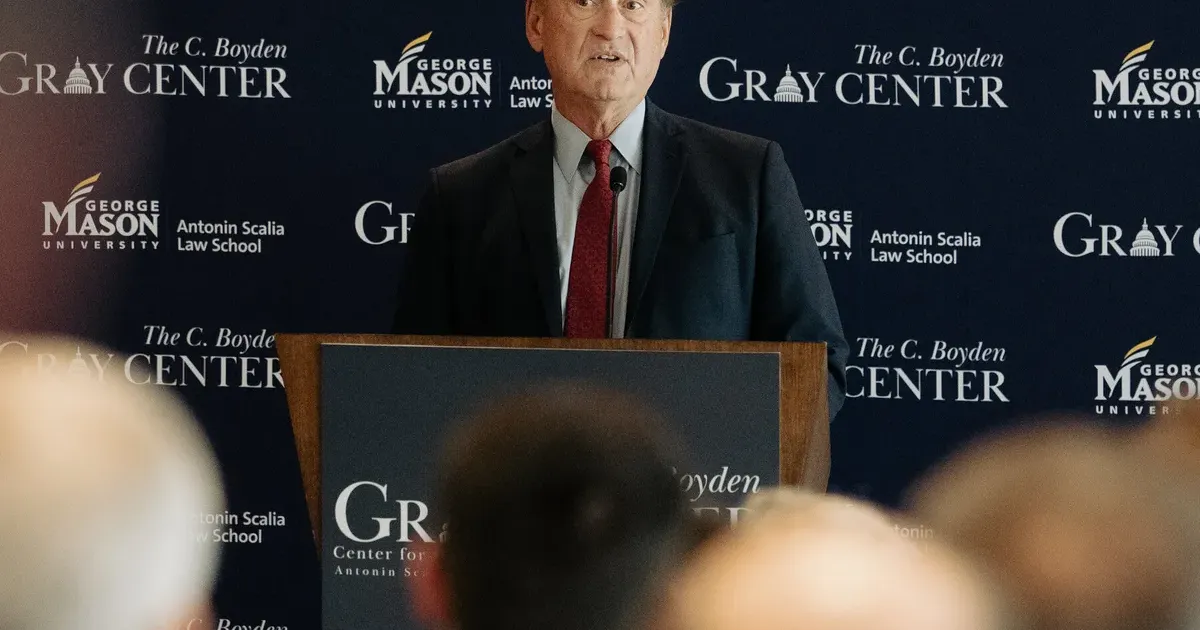
Justice Samuel Alito fell ill during a Federalist Society dinner in Philadelphia, triggering a previously undisclosed hospital stay. The April 3, 2026, report brought the episode into public view after weeks of institutional silence. News of the incident did not emerge until April, raising immediate questions about the physical stability of the conservative wing on the nation’s highest court. Medical personnel at the event site initially evaluated the 76-year-old jurist before determining that a transfer to a nearby medical facility was necessary for specialized care. High-level sources within the court confirmed that he received intravenous fluids to treat severe dehydration. Public records later clarified the timeline. Alito returned to his home in Virginia late that same night, though the delay in public disclosure has frustrated government transparency advocates.
Silence from the Supreme Court public information office during the immediate aftermath of the collapse mirrors an enduring tradition of judicial privacy. Most justices view their medical records as private matters, distinct from their official duties. This medical episode coincides with a period of intense scrutiny regarding the ages of several sitting members. CNN first reported that Alito appeared visibly unwell during the gala, an event traditionally attended by the most influential figures in the American legal conservative movement. Colleagues noted his absence from some informal gatherings in the days following the Philadelphia trip, though he eventually resumed his seat for oral arguments in Washington.
Supreme Court justices possess no legal obligation to provide the public with health updates. Unlike the executive branch, which often releases detailed summaries of physical examinations, the judiciary maintains a wall of silence. The lack of standardized disclosure rules means the public often learns of health crises only after they have concluded. While the NYT highlights that practices vary between individual chambers, the collective tendency leans toward opacity. Critics argue that lifetime appointments require a higher level of transparency to ensure the bench remains capable of handling a complex caseload.
Philadelphia Medical Incident Details
Attendants at the Federalist Society event described a scene of sudden concern when the justice became lightheaded. Security personnel quickly created a perimeter around the table to allow medical responders to work without interference. Reports from the scene suggest Alito was alert but weakened as he was moved to an ambulance. Dehydration can be particularly dangerous for individuals in their late seventies, often acting as a precursor to more serious cardiovascular or neurological complications. Doctors in Philadelphia kept the justice under observation for several hours to ensure his vitals had stabilized before clearing him for travel back to the capital region.
His security detail managed the logistics of the return trip, avoiding the media glare that usually accompanies such high-profile health scares. The court has since insisted that the justice is fully recovered and participating in all scheduled business. Oral arguments have continued without interruption, with Alito asking his usual pointed questions during recent sessions. Observations from courtroom regulars suggest no obvious change in his demeanor or cognitive sharpness since the March 20 encounter. Persistence in his judicial duties has not, however, silenced the whispering in the halls of the Senate Judiciary Committee.
Justice Alito was treated for dehydration after falling ill at an event in Philadelphia on March 20, the court's public information office said.
History provides several examples of justices hiding serious illnesses from the American people to protect their influence. Thurgood Marshall and William Rehnquist both faced criticism for the ways their respective chambers handled health news during their final years. Current norms allow each justice to decide what the public deserves to know. CBS News reported that the public information office only confirmed the dehydration diagnosis after investigative journalists began asking specific questions about the March 20 ambulance transport. The reliance on reactive rather than proactive disclosure continues to be a point of contention among legal scholars.
Proponents of the current system claim that making medical data public would politicize the health of the justices. They argue that activists would use every minor ailment to demand a retirement. Opponents suggest that the power held by a single justice is too great to be shrouded in such secrecy. Judicial independence is a foundation of the American system, yet it often clashes with the public’s right to know if a constitutional arbiter is fit for service. The March incident is a catalyst for renewed calls to implement a formal health reporting protocol for Article III judges.
Legal analysts suggest that the court’s internal culture prioritizes stability over transparency. Any admission of weakness is seen as an invitation for political pressure. Donald Trump has reportedly been briefed on the situation, as the possibility of a second vacancy during his current term would allow him to further cement a conservative legacy for decades. The Federalist Society maintains a list of potential nominees who are ready to move through the confirmation process at a moment’s notice. Preparation for a vacancy is a standard operating procedure for any administration, but the Alito incident has accelerated the timeline for vetting candidates.
Speculation regarding a retirement usually peaks during the final weeks of the court’s term in June. Alito has been a reliable anchor for the originalist wing since his appointment in 2006. His departure would represent the most significant shift in the court’s composition since the passing of Ruth Bader Ginsburg. Republicans in the Senate are already signaling their readiness to hold a rapid confirmation hearing if a seat opens up. Democrats, by contrast, are searching for ways to delay any potential appointment until after the upcoming midterm elections. The math of the current Senate makes any confirmation a high-stakes battle with zero margin for error.
Rumors of a strategic retirement have circulated for years, but the justice has shown no public inclination to step down. He remains one of the most intellectually active members of the court, frequently authoring complex majority opinions and blistering dissents. Friends of the justice say he is sharply aware of the political consequences of his timing. He likely views his continued service as a matter of duty to the constitutional principles he has spent his life defending. Nevertheless, the physical toll of the job is undeniable, especially as the court’s docket becomes increasingly disputed and high volume.
Alito Visit Revives Court Health Questions
Secrecy is the ultimate currency of the Supreme Court, and the Alito health scare proves that the justices are spending it at an unsustainable rate. By withholding news of a hospitalization for weeks, the court has signaled a deep lack of respect for the public's right to know who is actually running the third branch of government. The issue extends beyond privacy to institutional legitimacy in an age where every other government official is held to a higher standard of transparency. The dehydration excuse is a classic Washington obfuscation, designed to minimize a crisis while ignoring the underlying vulnerability of an aging bench.
The Supreme Court is currently operating as a private club instead of a public institution. Transparency must be forced upon the court through legislative mandates because the justices have proven they will never provide it voluntarily. Failure to reform the disclosure process will only deepen the crisis of confidence that currently plagues the American judiciary.