The first American Airlines flight to Caracas in seven years carried more than passengers. It reopened a commercial route that had been closed by sanctions, diplomatic collapse and safety concerns. The landing also signaled that US-Venezuela contact is moving cautiously back into practical channels. American Airlines Flight AA3599 touched down at Simon Bolivar International Airport, ending a seven-year suspension of direct commercial travel between the United States and Venezuela. The route restoration occurred on April 30, 2026, months after the political landscape in Caracas shifted during a U.S. military operation. Direct aviation links had remained severed since 2019, when the U.S. Department of Homeland Security ordered an indefinite suspension over security concerns.
The Trump administration moved to rebuild these ties after U.S. forces captured then-President Nicolas Maduro in a raid in Caracas. The first flight from Miami marked a practical step in the restoration of full diplomatic relations, which also included the reopening of the U.S. embassy in Caracas. Passengers aboard the American Airlines service described the trip as a long-awaited chance to reconnect with relatives after years of indirect routes through third countries.
Miami Route Reopens After Seven-Year Ban
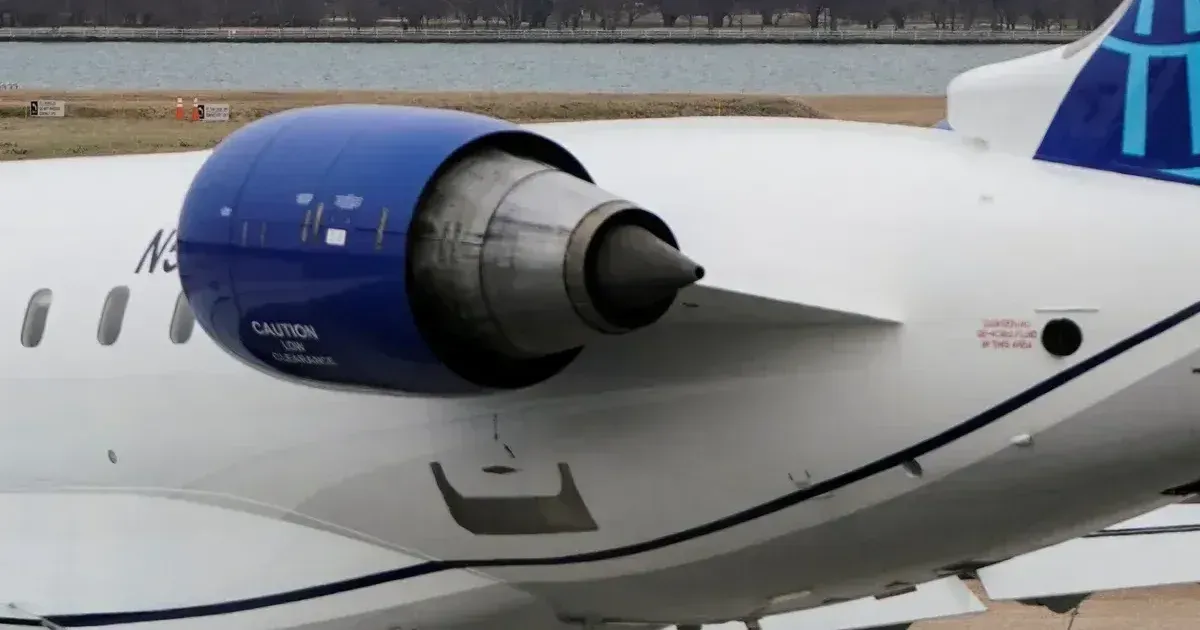
The inaugural nonstop service departed Miami International Airport on Thursday morning and landed in Venezuela roughly three hours later. American Airlines said it was the first U.S. carrier to relaunch daily service to the country, using an Embraer 175 operated by Envoy Air. The flight also carried symbolic weight because Miami-Dade County is home to the largest Venezuelan community in the United States.
Travel between the two nations stopped entirely in May 2019 because of safety concerns and political volatility. The resumption of flights follows months of coordination between U.S. transportation officials and authorities in Caracas. American Airlines intends to scale up its schedule if the initial flights operate without incident. Ground crews in Caracas spent weeks preparing for the return of U.S.-based carriers, ensuring that refueling, security and maintenance protocols met international standards.
The flight comes months after U.S. forces captured Maduro in a nighttime raid, a development that changed Washington’s approach to the Venezuelan state.
Flight Resumption Follows Removal of Nicolas Maduro
Restoring air travel became a primary objective for the Trump administration after the removal of the former socialist leader. Washington now views commercial aviation as a tool for stabilizing contact with Venezuela after years of sanctions, diplomatic rupture and restricted travel. By reconnecting Miami and Caracas, the U.S. aims to enable family reunions, business visits and official travel that had previously required cumbersome transfers.
Caracas officials welcomed the landing with a traditional water cannon salute on the tarmac. Many family members waited at the arrivals gate for hours, carrying flowers and banners. For many, the flight represented the first opportunity to see relatives since direct commercial traffic was effectively closed. The logistical success of this first landing suggests that technical hurdles, including air traffic control coordination, are being resolved.
Records and airline statements identified the aircraft as an Embraer 175 operating under American’s regional network. Flight AA3599 represented more than a commercial victory for the airline; it provided a direct line for travelers who had relied on third-country connections since the 2019 suspension. Security officials monitored the disembarkation process closely, checking the credentials of individuals entering the terminal.
Logistics and Passport Issues Slow Full Travel Recovery
Thousands of Venezuelan nationals living in the United States still face major barriers to returning home. CNN reported that passport and visa issues remain hurdles for some travelers seeking to use the new flight service. The previous diplomatic rupture left many expatriates without easy access to consular services in the United States. Interim authorities have promised a streamlined renewal process, but documentation problems continue to limit who can travel immediately.
Anxiety persists among the diaspora regarding the current state of local infrastructure. Passengers on the first flight reported concerns about power stability and medical access in the capital city. While the political leadership has changed, the underlying economic damage from years of isolation persists. These travelers are often the first to test the viability of returning permanently to a nation undergoing a difficult transition.
Airlines must also navigate complex insurance requirements before expanding their Venezuelan operations. Aviation insurers often demand higher premiums for routes into places that recently experienced military conflict or political instability. American Airlines executives are expected to monitor the situation closely to ensure crew safety. The success of this Miami-Caracas corridor will likely determine when other major carriers, including Delta and United, decide whether to return to the market.
The Caracas Route Ends Isolation Without Repairing Venezuela’s Institutions
The return of American commercial aviation to Venezuelan airspace establishes a clear end to the isolation strategy that characterized the last seven years. Washington is no longer content with distance; it is actively pursuing a policy of presence. By restoring a civilian route, the administration is betting that visibility will support stability. The move also forces regional neighbors to recalibrate their own stances on the new Caracas government as diplomatic and commercial channels reopen.
However, rapid normalization carries risks. Integrating a damaged economy back into global travel networks requires more than landing rights. It requires functioning civil services, reliable airport security and documentation systems that can serve citizens abroad. If the passport crisis is not resolved, the flights will remain a luxury for the few rather than a bridge for the many. The White House must balance the optics of a successful flight with the reality of a nation still struggling to provide basic documentation to its citizens. Success in Caracas will be measured by the consistency of the flight schedule over the next six months.