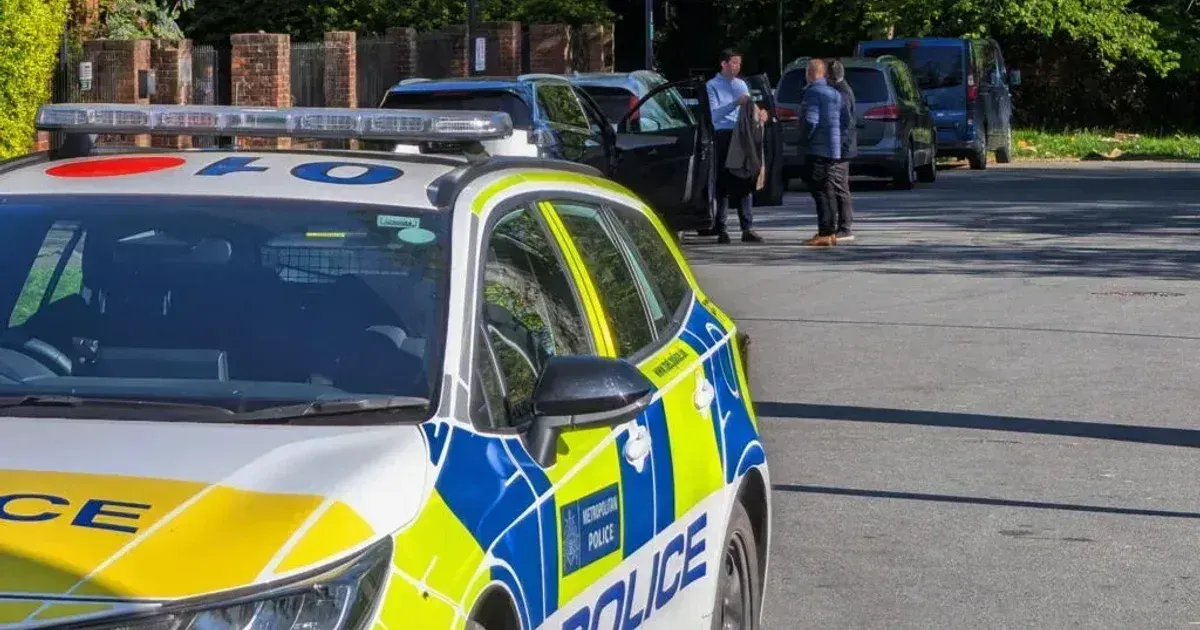
Britain's terror-threat decision gave the Golders Green attack national security weight beyond the local crime scene. The severe level tells police forces to prepare for another attack as a realistic possibility. British security officials moved the national terror threat level to its second-highest tier. The Joint Terrorism Analysis Center announced the shift to severe on April 30, 2026, indicating that an attack is now considered highly likely. The increase followed the Golders Green stabbing in north London and a wider assessment of threats facing the country. The change also gives police commanders room to increase patrols around synagogues, schools, transport hubs and public gatherings without waiting for another incident. Officials did not say a specific second plot had been identified, but the alert level changes the planning assumption for every force in the country.
Intelligence professionals within the government assess threat levels using a five-step scale ranging from low to critical. Moving to severe marks an escalation from the previous substantial rating, which meant an attack was likely. The new level means police and security agencies must plan around a higher probability of attempted violence over the next six months, even when no single imminent plot has been publicly identified.
The Golders Green attack remains central to the public explanation for the change. Police treated the stabbing of two Jewish men as a terrorist incident, and ministers said the wider threat picture includes violence directed at the Jewish community. That context prompted renewed attention to public safety measures in Jewish neighborhoods and other sensitive community sites.
Authorities described a risk landscape involving Islamist and extreme right-wing terrorism. Officials did not say the Golders Green suspect was part of a broader network, and the threat level is not presented as the result of a single case alone. The Home Office said the increase came after the attack but was not solely caused by it, a distinction that keeps the assessment tied to wider intelligence rather than one police file.
The government said the Joint Terrorism Analysis Center raised the threat level to severe, indicating a high likelihood of an attack within the next six months.
Dual Extremist Threats Drive Security Reassessment
Counter-terrorism police said forces would review protective arrangements after the change in threat level. Enhanced patrols were already in place after the antisemitic attack, and local commanders are expected to adjust visible policing around vulnerable institutions. The operational message to the public is vigilance, not panic, with officers asking communities to report suspicious activity through established channels.
Police messaging also matters because a higher threat level can unsettle communities already dealing with targeted violence, so officials have to explain the risk without giving the impression that normal movement should stop.
The shift also places additional pressure on intelligence triage. A severe level does not identify a specific imminent plot, but it does signal that agencies see enough warning signs to justify a broader defensive posture. That distinction matters because the next stage, critical, is reserved for circumstances in which an attack is believed to be imminent. In practical terms, severe is a sustained readiness warning rather than an emergency order.
Community security groups, police forces and central government now have to coordinate more closely on protective guidance. For synagogues, schools and communal venues, the practical effect is likely to be more visible checks, faster reporting channels and closer contact with local officers. Those measures are meant to harden obvious targets without turning daily life into a lockdown or implying that every venue faces the same level of risk.
Structural Definitions of the Severe Threat Level
National security protocols define the severe rating as the fourth of five possible levels. It sits below critical and above substantial, giving the public a simple signal about the assessed likelihood of terrorism. The level is set independently by JTAC, which draws on intelligence from MI5, police and other government specialists rather than direct political instruction.
Government ministers urged people to remain alert and report suspicious activity through established counter-terror channels. That appeal is a standard part of the response when the official threat level rises, because many investigations begin with local reports rather than classified intelligence alone. The public warning is therefore part of the security system, not a substitute for it. It gives local reports a clearer route into national threat monitoring.
The Severe Threat Level Must Produce Consistent Local Protection
The elevation to severe is a calculated move toward a higher-alert defensive posture. It acknowledges that current intelligence points to a greater risk of terrorism while leaving room for uncertainty about timing, target selection and method. Security services must now balance visible reassurance with the less visible work of prioritizing leads across different extremist threats.
The hardest part of the new posture is consistency. A national warning has to translate into local decisions about patrols, event security, transport hubs and community protection without overstating what the public evidence shows. The next test for authorities is whether that coordination can reduce risk while keeping the assessment tied to confirmed intelligence rather than public speculation or political pressure from the day's headlines. If the level remains severe for weeks, officials will also need to show that added security is being reviewed regularly and directed toward the places most exposed to threats.