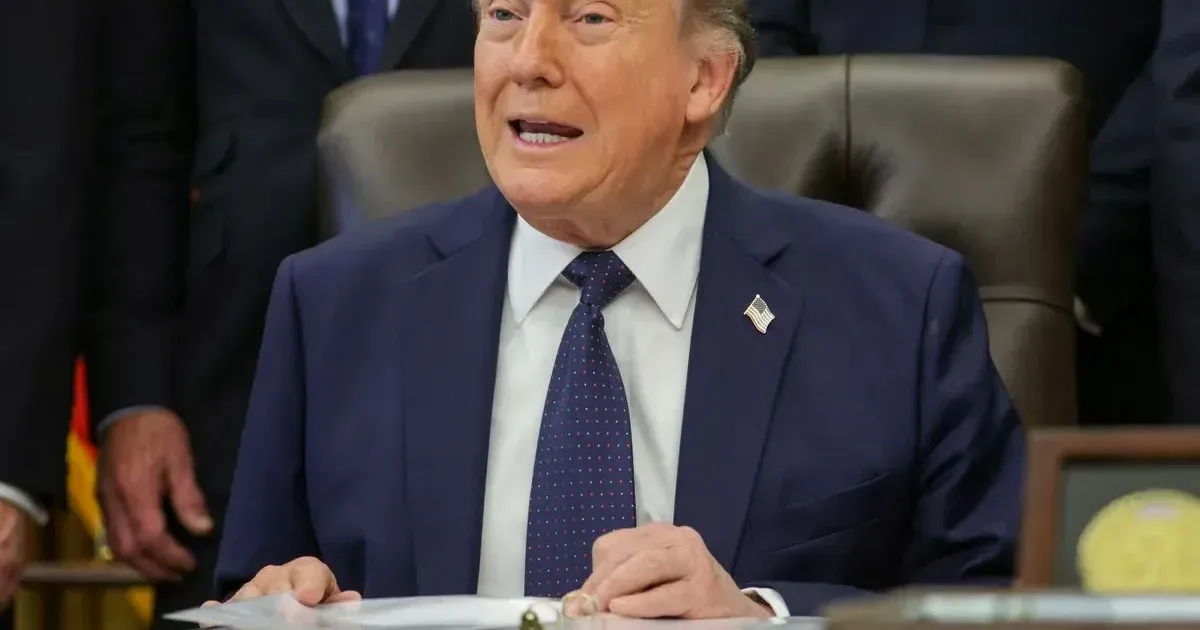
Trump's message to Tehran came as the conflict crossed another political threshold. The 62-day marker matters because military pressure, oil prices and congressional patience are now moving together. Iranian leaders are weighing surrender language against domestic legitimacy. President Donald Trump urged Tehran to "give up" as the US blockade of Iranian ports became a central pressure point in the widening conflict. On April 30, 2026, the war entered day 62 with oil prices rising, Congress pressing the Pentagon over costs and diplomats still divided over the terms of any settlement. The longer the war runs, the harder it becomes for either side to treat public language as mere posture. A demand for Tehran to give up can close space for a compromise formula, while Iranian defiance can make de-escalation look like retreat. That is the political trap behind the deadline language. Markets are watching the same language because a harder public line can make private talks harder to restart. It also increases the cost of any later compromise. Domestic audiences in both countries may punish any leader who appears to climb down without a visible concession. That pressure is why public demands can become negotiating obstacles. The administration is betting that pressure will narrow Tehran's choices faster than it hardens resistance.
White House officials say the blockade is designed to isolate Iran economically and push its leaders toward a nuclear agreement. Iranian officials have rejected that pressure, with Parliament Speaker Mohammad Bagher Ghalibaf arguing that the campaign has not forced the collapse of Iran's oil system and has instead driven up global prices. Energy markets reacted to the possibility of a longer siege. Crude prices moved higher as traders weighed restricted traffic near the Strait of Hormuz, blocked Iranian exports and fresh uncertainty about whether the confrontation will ease before summer demand rises.
Al Jazeera reported that US petrol prices have reached a four-year high as the strait crisis ripples through global markets. Reuters-based coverage also put Brent near $120 in the immediate market reaction, with traders watching whether a longer blockade would remove more Iranian crude from normal trade flows. For oil-importing economies, that makes the dispute a consumer-price issue as much as a military story.
War Cost and Congressional Scrutiny
Pentagon officials told lawmakers that the war has cost less than $25 billion so far, giving Congress its clearest public estimate after two months of fighting. The figure immediately drew scrutiny because it covers direct war costs while leaving open questions about repairs, replacement equipment and longer-term strain on US forces.
Reports citing people familiar with the matter said the true cost could be closer to $40 billion to $50 billion once damage to US military sites and destroyed assets are counted. That range remains an estimate, but it explains why lawmakers are pressing defense leaders for a fuller accounting.
Defense Secretary Pete Hegseth rejected the idea that the campaign had become a quagmire, framing it instead as an existential fight for US security. His response showed how the administration is trying to defend the operation politically while the financial and strategic costs continue to rise.
Congressional pressure is likely to intensify if fuel prices keep rising at the same time as the Pentagon requests a larger defense budget. That combination turns the blockade into both a military decision and a domestic economic issue for the administration. Lawmakers can support pressure on Tehran while still demanding clearer numbers on how long the campaign can continue at the current pace.
Blockade Pressure and Hormuz Risk
Trump also met with oil executives to discuss ways to reduce the effect of the blockade on fuel supplies and American consumers. A White House official said the talks included steps that could keep the current blockade in place for months if needed. That strategy depends partly on whether Iran's storage capacity becomes a constraint. Analysts cited in source coverage said blocked exports could eventually force production cuts, though the timing is uncertain and any cuts may be gradual rather than immediate.
Iranian officials have tried to counter Washington's message by arguing that the blockade has not destroyed Iran's oil capacity. Ghalibaf said Iran's storage has not yet reached capacity, while military officials framed restraint as an effort to leave room for diplomacy. That response is meant to signal endurance at home and to challenge the US claim that economic pressure is already forcing Tehran toward concessions.
Military options around the Strait of Hormuz remain under discussion as Washington looks for ways to restore safer movement for commercial shipping. Related reporting also says US carrier strike groups continue to shape the enforcement posture along Iran's coastline.
The Blockade Is Becoming a Test of American Patience as Well as Iran’s
The diplomatic track remains narrow. Source reports say the two sides are still divided over Iran's nuclear program, uranium stockpile, the blockade, frozen assets and Tehran's demand for war reparations, while Russia has offered to be involved in discussions over enriched uranium. Washington is also trying to widen the maritime response. Independent reporting cited a State Department cable describing a proposed Maritime Freedom Construct, a coalition effort meant to help restore freedom of navigation and protect critical infrastructure in the region.
For the White House, the danger is that a military pressure campaign meant to force concessions becomes a test of domestic patience. Higher gasoline prices, a larger defense bill and continued risk in Hormuz could make the blockade harder to sustain even if US officials believe it is working. The next phase will depend on whether the blockade produces a negotiating opening or pushes both sides toward more military planning. Until that changes, oil markets, Congress and allied governments will keep treating the Iran conflict as a costly and unstable test of US strategy.