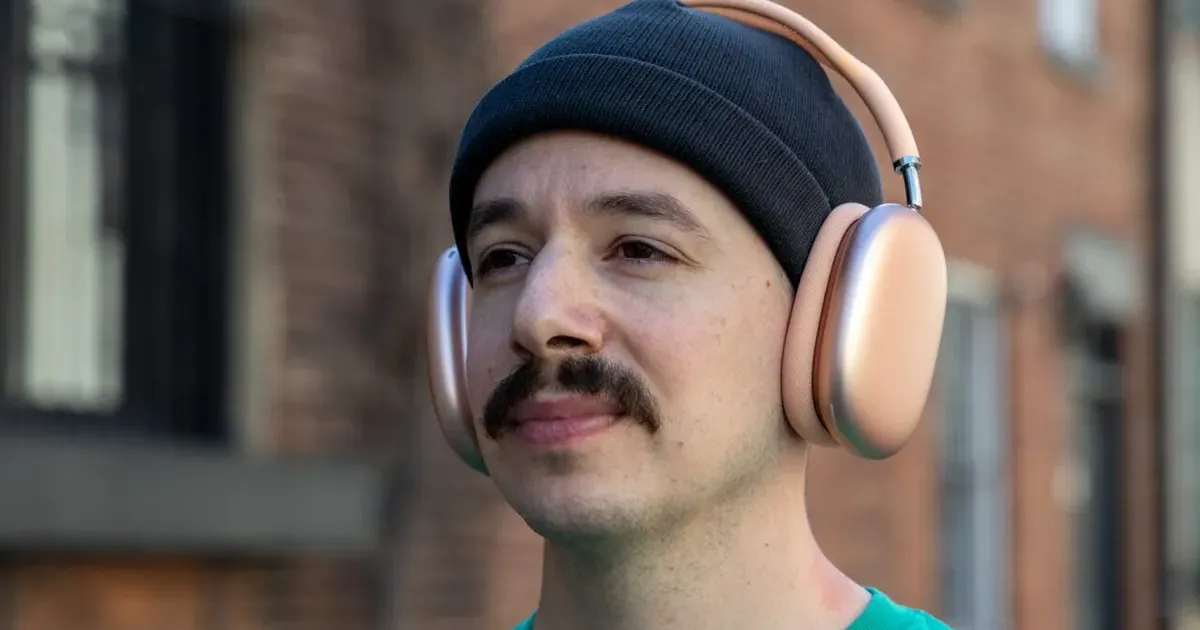
AirPods Max 2 are a very Apple kind of update: the most important changes are inside, while the object still looks familiar at a glance. Apple added the H2 chip, stronger active noise cancellation, Adaptive Audio, Conversation Awareness, Personalized Volume, Voice Isolation and USB-C lossless audio support. It kept the premium aluminum-and-mesh identity, the 20-hour battery figure and the same basic over-ear silhouette.
The internal-first update defines the product. AirPods Max 2 are not trying to win buyers with a visible break from the first generation. They are trying to make the daily experience feel smarter, quieter and more integrated for people already inside Apple's device world. For a 549-dollar headset, that is both a credible strategy and a risk.
H2 Is the Main Upgrade
The H2 chip moves AirPods Max into the feature family that smaller AirPods owners already know. Apple says the new model delivers active noise cancellation up to 1.5 times more effective than the original AirPods Max, using new computational audio algorithms. The improvement matters because over-ear headphones earn their place in repetitive environments: airplanes, trains, offices, city streets and long work sessions.
Better cancellation is not just a luxury spec. If it reduces background noise cleanly, the listener can keep volume lower and focus longer. Transparency mode also gets a more natural processing path, which matters for people who use noise-canceling headphones all day rather than only during travel.
Adaptive Features Make the Product Feel Newer
The smarter feature set is where Apple has the clearest argument. Adaptive Audio can blend cancellation and transparency depending on the environment. Conversation Awareness can lower media when the wearer starts speaking. Personalized Volume can learn from surroundings and listening habits. Voice Isolation helps calls cut through background sound.
Those features are not dramatic in a product photo, but they are the kind of small interventions that can change whether a device feels current. The first AirPods Max began to feel older because the cheaper, smaller AirPods Pro gained smarter behavior. AirPods Max 2 close that gap.
The Same Design Still Divides Buyers
Apple kept the broad design language: metal ear cups, mesh canopy, digital crown and premium finish. The familiar design preserves the identity, but it also preserves the familiar complaints. The headphones are still heavier than many rivals. They are still less compact for travel than Sony and Bose models that fold more easily. The case remains a talking point rather than a universal strength.
The update becomes more selective at this point. Loyal Apple users may accept the weight and price because pairing, spatial audio, device switching and the overall ecosystem feel frictionless. Cross-platform buyers have less reason to forgive the tradeoffs. Sony, Bose, Sonos and Bowers and Wilkins all give shoppers strong alternatives with different comfort, control and portability strengths.
USB-C Helps More Than It First Appears
The USB-C move is more than a charging cleanup. Apple says AirPods Max 2 can support lossless audio and ultra-low latency audio through USB-C. The wired connection gives musicians, editors, film watchers and gamers a clearer use case than the original Lightning-era model had. It also aligns the headphones with Apple's broader port transition, reducing the old accessory friction.
The limitation is still clear: the best AirPods Max 2 experience remains an Apple ecosystem experience. Wireless high-resolution expectations across the wider Bluetooth market are not solved by USB-C wired listening. Buyers who move between Android, Windows and Apple devices may find the product less persuasive than users who live on iPhone, iPad, Mac, Apple TV and Vision Pro.
The Upgrade Case Depends on Daily Friction
AirPods Max 2 will not be judged only by whether the spec sheet improved. They will be judged by whether the old annoyances feel smaller in ordinary use. If the noise cancellation is clearly better on flights and commutes, if calls sound cleaner, if Adaptive Audio avoids constant manual mode changes and if USB-C simplifies the desk setup, the update has a practical case.
The problem is expectation. A long wait creates demand for a visible redesign, lighter hardware or a more aggressive battery jump. Apple delivered a smarter AirPods Max, not a completely rethought one. The result makes the product strongest for people who already liked the original shape but wanted newer audio intelligence. For everyone else, AirPods Max 2 remain a premium ecosystem headset with better processing and the same physical argument as before.