Apple executives took the stage at the Worldwide Developers Conference to reveal a software lineup focused on performance stability and intelligence integration. Users will judge that quickly. For developers, the practical question is whether Apple will turn the assistant into a platform. That makes the update as much a credibility test as a feature release. The release also shows Apple trying to buy time while its own AI stack catches up with user expectations. The keynote presentation on June 8, 2026, introduced iOS 27, a system update that prioritizes efficiency for older hardware. Software engineers rebuilt the underlying CPU scheduler to provide measurable speed improvements for devices dating back to the iPhone 11. This architectural shift addresses growing consumer concerns regarding the longevity of mobile hardware in a demanding AI environment.
Siri received its most serious overhaul in a decade, now using next-generation Foundation Models. Apple partnered with Google to integrate Gemini technology into the voice assistant to enhance its natural language processing. The update delivers a rebuilt interface for Siri, allowing for more fluid interactions and context-aware responses. Developers noted that the English language version will roll out first, with other languages following in subsequent months. Intelligence capabilities also expanded into the Photos app and Home features, enabling more precise search tools and automated environment adjustments.
Apple announced iOS 27 at WWDC 2026 on Monday, framing the release as a year of fixes rather than reinvention.
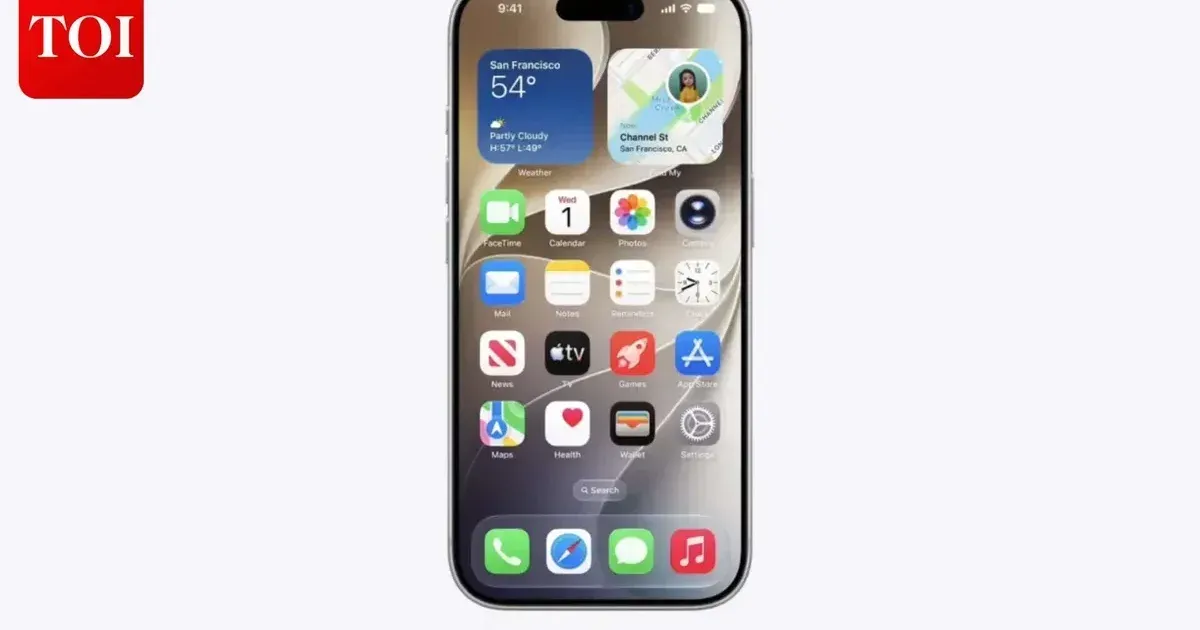
Design language refinements appeared under the banner of a softer Liquid Glass aesthetic. Visual elements now feature more rounded corners and translucent textures that adapt to the background lighting of the device. A new customization slider allows users to tame the depth and intensity of these glass-like effects. UI elements, previously criticized for being too visually complex, now emphasize clarity and reduced eye strain. These refinements reflect a broader effort to polish the existing user experience before introducing further radical design changes.
Performance Gains for Legacy iPhone Models
Engineers focused heavily on silicon efficiency during the development of iOS 27. The rewritten CPU scheduler improves how tasks are distributed across high-performance and high-efficiency cores. Testing data suggests that older devices like the iPhone 11 and iPhone 12 experience faster app launch times and reduced thermal throttling. Such optimizations are intended to keep legacy hardware functional as modern apps become increasingly resource-heavy. Battery life management also benefited from these logic changes, particularly during background synchronization tasks.
Search tools across the operating system now leverage Apple Intelligence to index content more effectively. Users can search for specific moments within video clips or describe a visual element to find a photo without exact tags. This functionality operates on-device to maintain privacy standards, though complex queries may use the Google-partnered cloud models. The integration of these tools into the Files app and Mail suggests a push toward a more cohesive data management strategy. Privacy remains a central talking point, with the company emphasizing that personal data is not shared with partners during AI processing.
The Evolution of Liquid Glass Design
Interface designers introduced a new slider to control the intensity of the Liquid Glass design language. The tool provides detailed control over transparency, blur, and light refraction across the entire operating system. The update also includes refinements to the Home screen, where AI-powered photo features can suggest dynamic wallpapers based on the time of day or location. Icons and widgets now display a softer glow, intended to make the interface feel more organic and less clinical. These changes respond to user feedback requesting more visual variety without sacrificing legibility.
Home automation received a meaningful boost through improved Siri connectivity. Smart home devices now respond with lower latency, and the system can predict routine actions based on historical usage patterns. Lighting, climate control, and security systems are managed through a revamped Home app that mirrors the Liquid Glass aesthetic. The company confirmed that these features are part of a broader commitment to the Matter smart home standard. Security protocols were also updated to include stronger encryption for biometric data stored on the Secure Enclave.
Google Partnership Makes Siri a Credibility Test
The decision to optimize software for six-year-old hardware suggests a shift in the Apple replacement cycle strategy. Instead of forcing upgrades through software-induced slowdowns, the company is attempting to maintain its installed base by proving the longevity of its silicon. The move may be a response to the slowing global smartphone market, where consumers are holding onto devices for longer periods. By ensuring that the iPhone 11 remains viable, the company preserves a large gateway for its services revenue, which continues to be a primary growth driver.
Partnering with Google for Siri's foundation models indicates a pragmatism that was previously rare in Cupertino. Apple essentially acknowledged that its internal AI development was not sufficient to match the rapid advancements made by competitors in the generative space. The collaboration allows them to offer top-tier AI features immediately while they continue to refine their own private cloud compute infrastructure. The English-first rollout acknowledges the complexity of these models, but it also creates a temporary gap for international users. Expect the success of this partnership to dictate the future of Siri as a genuine digital assistant. Developers will also watch whether the Google-backed Siri tools are exposed through stable APIs or kept mostly inside Apple-controlled experiences. That choice will shape how much of the upgrade feels useful beyond Apple’s own apps. The risk for Apple is that users will judge the Siri rebuild against chatbots they already use daily. If the assistant still feels constrained, the Google partnership may be remembered as a stopgap rather than a breakthrough. The company also has to make privacy claims specific enough to satisfy users who want AI help without sending every request into a broad cloud profile. The rollout will also test whether Apple can explain the Google role without making Siri feel less private to longtime iPhone users. The bigger question is whether this version of Siri can become reliable enough for everyday tasks such as calendar changes, message summaries and smart-home requests. If it cannot, users may treat the headline partnership as another delayed Apple AI promise.