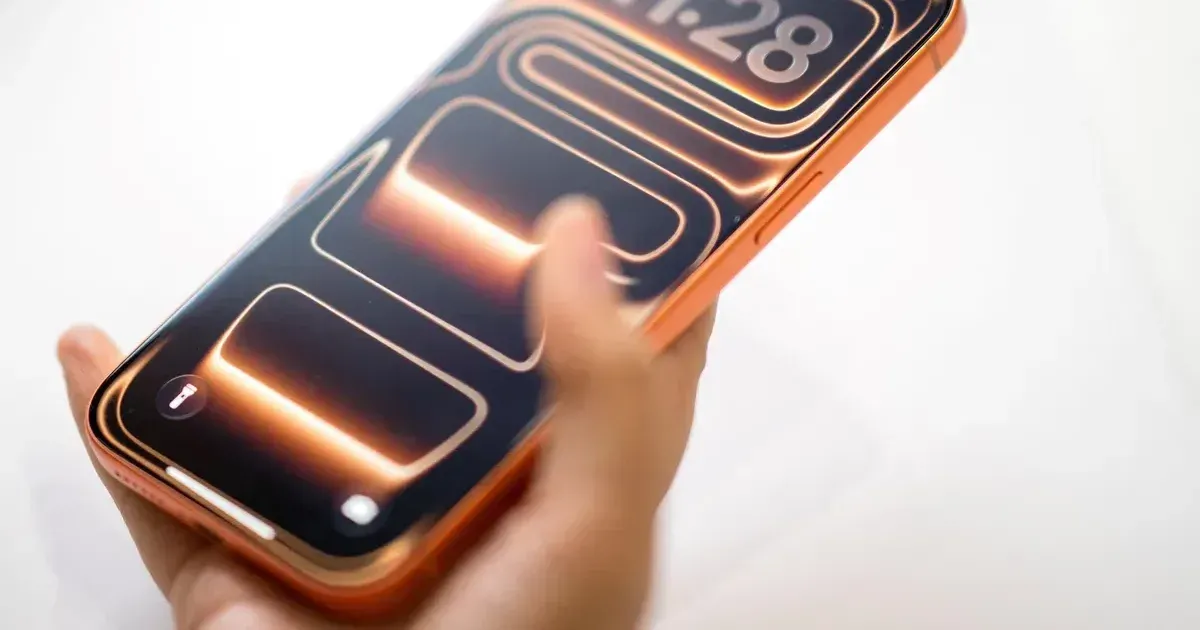
Apple engineers deployed a critical software patch to address a zero-day vulnerability discovered in the mobile operating system. Known as iOS 26.3.1 (a), the release uses a specialized delivery mechanism designed to bypass the standard, time-consuming update cycle. Software architects in Cupertino developed this system to counter immediate threats that require instant mitigation across millions of devices globally. The patch became a public test of how quickly iPhone owners respond to urgent security prompts. Users now have to check deeper system menus to ensure their hardware remains protected against active exploits.
Technical documentation released alongside the patch confirms that the vulnerability affects the WebKit engine and the kernel level of the operating system. Security researchers discovered that malicious actors could potentially execute arbitrary code if a user visits a specifically crafted webpage. Apple has acknowledged reports that this flaw may have been exploited in targeted attacks against a small number of high-profile users. Standard updates typically take weeks to reach full saturation, but this rapid response aims for total coverage within hours. Automatic updates frequently fail to capture these specific security responses unless a particular toggle is engaged. Forbes reports that many users remain vulnerable because they have inadvertently disabled the secondary update path within their settings. The setting, titled Security Responses and System Files, functions independently of the primary iOS update schedule. Most consumers assume a general automatic update setting covers all contingencies, but the 2026 security architecture requires an explicit opt-in for these critical micro-patches.
Rapid Security Response Architecture in iOS 26
Cupertino introduced the Rapid Security Response (RSR) structure to solve the problem of large, bloated update files that users often defer. These smaller patches focus exclusively on security vulnerabilities and can be applied without the lengthy reboot process required by major version jumps. In turn, the (a) designation at the end of the version number signifies a security-only layer that sits atop the existing firmware. It operates as a surgical strike against specific code defects rather than a broad system overhaul.
Engineers at Apple spent years refining the way the operating system handles read-only system volumes to allow for these quick injections. When the RSR is active, the device creates a temporary overlay that replaces vulnerable system files with patched versions. This allows the company to protect users from emerging threats without demanding 90 minutes of downtime for a full system reinstall. But the effectiveness of this strategy depends entirely on the client-side configuration being active before an attack occurs. Data from independent cybersecurity firms suggests that roughly 40% of iPhone users currently have the RSR toggle disabled. Many disabled it during previous software cycles to prevent unexpected data usage or battery drain during the workday. According to security experts, leaving this setting off creates a dangerous window of exposure that hackers are actively looking to exploit. The transition from monolithic updates to these modular patches is a major shift in how mobile security is managed at scale.
Apple's move to decouple core security patches from larger OS updates is a trade-off that favors speed over user awareness.
Enabling Hidden Security Settings for iPhone
Accessing the necessary protection requires a precise sequence of actions within the iOS 26 interface. Owners must open the Settings application and navigate to the General section before selecting Software Update. Within that sub-menu, a secondary page titled Automatic Updates contains the critical switch for Security Responses and System Files. Only when this specific toggle glows green can the device receive the iOS 26.3.1 (a) patch automatically. Failing to verify this setting leaves the device on the standard update track, which may not receive the fix for several days.
And the urgency of this particular update cannot be overstated by technical staff. Internal memos suggest the vulnerability allows for a complete bypass of the sandbox environment that usually isolates applications from sensitive user data. Meanwhile, hackers have been observed using this specific WebKit flaw to inject spyware into devices without any user interaction beyond clicking a link. By contrast, users who have the correct settings enabled will find the patch applied silently in the background while the phone is connected to power. Separately, the hardware manufacturer has noted that some users may see a prompt to restart their device even if the patch is supposedly silent. This occurs when the patch affects the kernel, the very heart of the operating system that manages hardware resources. In particular, the restart is necessary to flush the old, vulnerable code from the system memory and replace it with the secure version. The device will typically perform this task overnight during the scheduled maintenance window.
Zero-Day Vulnerabilities and Apple Hardware
Security flaws of this magnitude often trade for millions of dollars on the private market. Apple maintains a strong bug bounty program, but the speed of this RSR suggests the flaw was found in the wild by third-party researchers. The vulnerability involves a logic error in how the system handles memory allocation for temporary web assets. Such errors are a frequent target for state-sponsored hacking groups looking to gain persistent access to mobile devices. Protecting a $3 trillion system requires constant vigilance and rapid deployment capabilities.
Still, the complexity of modern code makes it nearly impossible to ship software without hidden defects. Every new feature added to iOS 26 introduces millions of lines of code, each representing a potential entry point for an adversary. Yet, the company has managed to reduce the average time-to-patch by nearly 70% since the introduction of the RSR mechanism. The efficiency is only hampered by the user-defined settings that prevent the software from doing its job. Current intelligence indicates that the exploit is being used in a campaign dubbed Neon Silver by security analysts. The group focuses on financial data theft and the interception of encrypted messaging traffic. So, the deployment of the (a) patch is a direct response to a live threat environment rather than a proactive maintenance measure. The hardware is still a fortress only if the gates are regularly inspected and reinforced through these digital updates.
Market Impact of Apple Security Disclosures
Investors closely monitor these security events to gauge the long-term stability of the services division. While a single vulnerability rarely moves the needle for a company of this size, a pattern of recurring flaws can erode the premium brand image. Forbes notes that the market expects Apple to maintain a lead in privacy and security as a core selling point for the iPhone. To that end, the rapid disclosure and remediation of the 26.3.1 (a) bug serves to reassure the institutional investor class. Transparency in security often acts as a buffer against negative PR cycles.
The business of mobile technology is built on a foundation of trust between the manufacturer and the end-user. If consumers feel their personal data is at risk, the system loses its gravity. Even so, the requirement for users to manually check a setting for an urgent fix creates a friction point that modern UI design usually tries to avoid. The tension between automated safety and user control is still a central theme in the 2026 tech field. Competitors like Google have also moved toward similar modular update structures for the Android platform. The industry-wide trend acknowledges that the old way of shipping updates is no longer viable in an age of instantaneous global threats. By providing a dedicated channel for security, manufacturers can protect their users without waiting for carrier approval or extensive beta testing cycles. The patch for 26.3.1 (a) is the latest example of this high-stakes digital arms race.
Why Apple Security Now Depends on User Behavior
Does the burden of digital survival now rest entirely on the shoulders of the consumer? Apple has built its empire on the promise of a device that just works, yet this latest security scramble suggests a different reality. By burying critical security toggles deep within the Settings app, the company is effectively playing a game of hide-and-seek with user safety. It is a calculated move to maintain the appearance of user autonomy while providing a convenient scapegoat when the next major breach occurs. If you didn't have the setting turned on, the narrative goes, then the fault lies with you, not the engineers in Cupertino. The reliance on micro-patches is an admission of a deeper systemic failure in modern software development. We are forced to accept a world where our most personal devices are perpetually broken and in need of emergency triage. The industry has traded the stability of long-term testing for the speed of the rapid-release cycle, leaving the average user caught in the middle. It is time to demand that security be an immutable, non-negotiable default rather than a checkbox hidden behind three layers of menus. Until Apple makes these responses mandatory and truly automatic, the iPhone is only as secure as the most diligent 1% of its user base.