Australia's fuel crisis forced governments to act on two fronts: make petrol cheaper at the pump and make public transport simpler to use. The split response showed the political difficulty of an oil shock. Households and freight operators needed immediate relief, but the country also needed people to burn less fuel.
On March 30, 2026, Prime Minister Anthony Albanese announced a national fuel security plan after the Iran war pushed oil prices and supply anxiety into Australian politics. The federal government halved the fuel excise on petrol and diesel for three months, cutting about 26.3 cents a litre from the tax burden, and paused road-user charges for heavy vehicles. The package was visible, immediate and simple to explain. It also cost money and risked softening the price signal at the exact moment officials were asking people to conserve.
The Tax Cut Bought Political Time
The excise cut was designed to reach drivers quickly. For a 65-litre tank, the government said the saving would be nearly $19 if the reduction flowed through. That made competition oversight part of the policy. A fuel-tax cut that disappears into wholesale or retail margins would be both poor economics and political failure.
The heavy-vehicle relief had a different logic. Diesel prices move through groceries, medical supplies, farm inputs and construction costs. A household can delay a weekend drive, but supermarkets cannot delay restocking shelves. In a country built around long road distances, freight support was not a side issue. It was part of keeping the inflation shock from spreading through every invoice.
Free Transit Sent The Opposite Signal
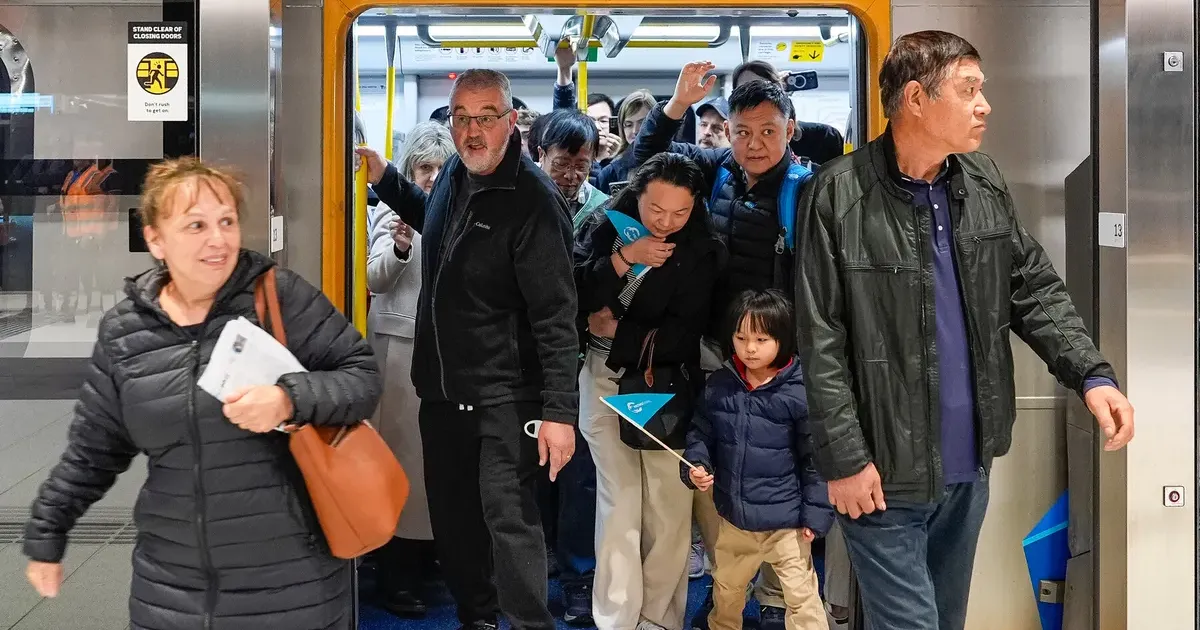
Victoria and Tasmania moved in the other direction by waiving fares for temporary periods. Victoria made trains, trams, buses and regional services free for April, while Tasmania removed fares from buses and the Derwent River ferry for a longer window. The goal was not only cost relief. It was demand management: make leaving the car at home more practical.
That approach is most effective for commuters who already live near practical services. It does little for rural drivers, outer-suburban workers, shift workers and freight-dependent households. This is the equity problem behind every transit-only answer to a fuel crisis. The people most exposed to fuel prices are often the least able to switch modes.
The Policies Pull In Different Directions
The federal tax cut and the state fare holidays were both understandable. Together, they revealed the tension at the center of transport policy. One lowers the pain of driving. The other tries to make not driving easier. Both can be necessary during an emergency, but neither is a full fuel strategy.
By July, as renewed conflict pushed global oil prices higher again, the temporary nature of the relief became part of the problem. Analysts warned that fuel prices could rise further as the excise discount approached its end, and Australian inflation and interest-rate expectations became more sensitive to the next move in crude. A subsidy can mute the shock for a while. It cannot make the import exposure disappear.
Australia's Exposure Is Structural
The crisis exposed Australia's refining and supply vulnerability. A wealthy country with vast distances still depends heavily on imported refined fuel, Asian supply routes and stable maritime access. When the Strait of Hormuz, shipping insurance or crude markets are disrupted by a Middle East conflict, Australian suburbs and freight corridors feel the shock quickly.
That vulnerability is not solved by one cabinet decision. It requires clearer fuel stockpiles, better transparency on supply chains, more resilient freight planning, stronger public transport outside the inner city and a faster move toward electrified cars, buses and logistics where the technology is ready. The question is not whether emergency relief was justified. It was. The question is whether the emergency becomes an excuse to avoid the more difficult redesign.
Relief Is Not Resilience
A fuel-tax holiday buys time and lowers anger. Free fares show what demand reduction can look like where the network is strong enough to absorb riders. Neither builds refining capacity, electrifies freight, protects outer suburbs or removes exposure to distant chokepoints.
Australia's real fuel problem was never one week of high prices. It is the fact that a war thousands of miles away can force national and state governments into emergency transport policy almost overnight. The March measures were necessary relief. Calling them a strategy would confuse a bandage with a spine.