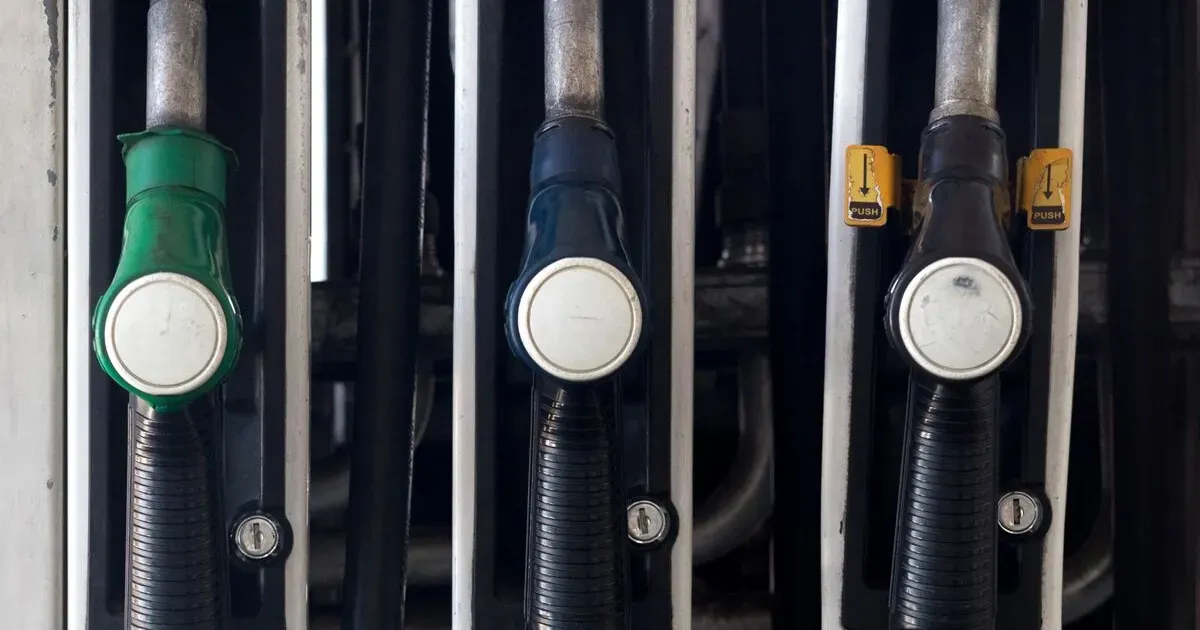
Australia is moving to underwrite private fuel imports as Middle East instability exposes the country's thin reserve margin. The plan treats fuel supply as a national resilience problem, not only a market issue. Energy Minister Chris Bowen said Canberra would share financial risk with companies importing diesel, jet fuel and petrol so essential stocks keep moving when shipping costs and spot prices rise.
The policy reflects a hard truth about Australia's energy system. The country is resource-rich, but it remains heavily dependent on imported refined fuels after years of refinery closures. That leaves transport, aviation, mining, agriculture and food distribution exposed to shipping disruptions far from Australian waters. A market that works during calm conditions can look fragile when chokepoints, insurance costs and wartime risk enter the calculation.
Our energy security depends on the resilience of our supply chains and the capacity of the private sector to maintain essential stocks.
The government's argument is that private companies cannot be expected to carry sovereign supply risk alone. Critics see a different problem: Canberra is using public money to support private inventory decisions because earlier governments failed to build a more durable reserve system. Both readings can be true.
Fuel Reserve Minimums and Storage Capacity
International Energy Agency members are expected to maintain emergency oil stocks equivalent to at least 90 days of net imports. Australia has often faced criticism over how it counts and maintains fuel security, including reliance on stocks held overseas or already moving through supply chains. That approach can satisfy accounting logic while leaving the country physically exposed during a disruption.
Instead of relying entirely on state-owned storage, the underwriting plan leans on companies with existing import terminals, tanks and logistics networks. Firms such as Ampol and Viva Energy are positioned to move fuel through ports and into domestic distribution. Government guarantees can encourage larger or earlier purchases when private buyers might otherwise hesitate because of price volatility.
Storage capacity remains the practical constraint. A financial guarantee does not help if there is nowhere to put the fuel or no port capacity to move it quickly. Expanding tanks, terminals and distribution links is slower than announcing an underwriting program. That is why the policy should be judged not only by contract volumes, but by whether it leaves more fuel physically available on Australian soil.
Underwriting Costs and Market Risk
The underwriting mechanism shifts part of market risk from companies to taxpayers. If firms import fuel at elevated prices and the market later falls, the government may absorb some of the loss depending on the contract design. If prices stay high or supply tightens, the liability may be lower, but the public still takes on risk that would normally sit with private balance sheets.
That structure can be justified during a crisis if the alternative is empty tanks and disrupted supply. It can also create moral hazard if energy companies know the government will cushion bad procurement timing. The details matter: tender rules, eligibility, transparency, contract caps and whether companies are required to maintain minimum domestic stock levels in exchange for support.
Small importers may struggle to participate because the program likely favors companies with proven logistics, port access and financial capacity. That could make the system more reliable in the short term while concentrating power in the hands of a few established firms. Fuel security policy can easily become fuel industry policy if safeguards are weak.
Middle East Instability and Import Vulnerability
Attacks on shipping and threats around major chokepoints have reminded Canberra how far its fuel supply chains stretch. Refined product cargoes can be delayed, rerouted or priced higher when maritime risk rises. Even if Australia is not directly involved in a conflict, it can still pay for the consequences through freight costs, insurance premiums and tighter cargo availability.
A severe disruption in the Strait of Hormuz or other key routes would affect global supply and pricing. Australia's vulnerability comes from being an import-dependent, end-of-line customer in a competitive market. Underwriting can give companies confidence to secure cargoes earlier, but it cannot create fuel if global supply becomes physically constrained.
Dependence on East Asian refining hubs adds another layer. Singapore, South Korea, Japan and other regional suppliers are central to Australia's fuel system. If tensions rise in the South China Sea or regional shipping lanes, the same import model becomes less comfortable. Diversifying suppliers and maintaining domestic refining capability may be expensive, but the alternative is trusting that every sea lane stays open.
Australia's remaining refineries still matter because they provide a hedge against complete reliance on imported refined product. Keeping those facilities viable requires support, skilled workers and the ability to process suitable crude grades. That is not cheap industrial nostalgia. It is a strategic insurance policy in a country where diesel still powers freight, mining and agriculture.
The energy transition does not remove the immediate need for liquid fuels. Electric vehicles, hydrogen and alternative fuels may reduce demand over time, but they do not yet replace the diesel trucks, aircraft and heavy machinery that keep the economy moving. Canberra has to manage the transition without allowing the old system to fail before the new one is ready.
Australia's Fuel Security Gap
Why has a nation as rich in resources as Australia waited until a global firestorm to confront the weakness of its fuel reserves? Underwriting private fuel purchases is not a sign of innovation. It is an admission of long neglect. Canberra spent years relying on just-in-time delivery and favorable sea lanes, as if global stability were a permanent feature of the map. Now taxpayers are being asked to backstop profitable energy companies because the state did not build enough physical resilience.
Outsourcing national security to the private sector through financial guarantees is a fragile strategy. If a serious maritime disruption occurs, no guarantee can conjure fuel that was never stored. The policy pays corporations to perform part of a role the government should have treated as strategic infrastructure years ago. It is a transfer of risk from boardrooms to households, wrapped in the flag of energy security. Relying on private importers as the de facto ministry of fuel assumes corporate incentives and national survival will align when pressure arrives. That is a dangerous assumption for a country still one maritime shock away from a logistics crisis.