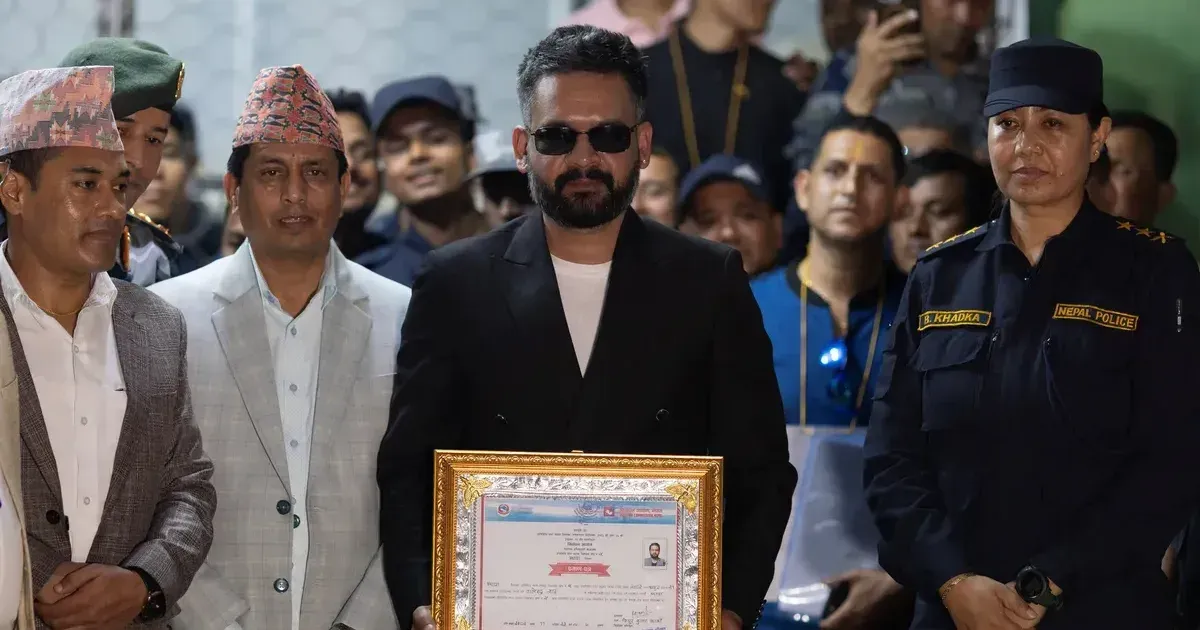
Balendra Shah won Nepal’s election in a landslide, turning a celebrity mayoral brand into a national political force. His victory reflects voter frustration with old coalition politics, corruption complaints and the sense that established parties have failed to deliver basic urban services and economic opportunity. Party leaders had little time to absorb the scale of the result. The report was published March 17, 2026.
Shah’s rise is unusual but not accidental. As a rapper and Kathmandu mayor, he built a public image around direct communication, infrastructure complaints and impatience with party machines. That style helped him reach younger voters who see traditional leaders as slow, transactional and disconnected.
A Protest Vote Becomes a Mandate
The scale of the win matters because it gives Shah more than symbolic legitimacy. A narrow victory could have been dismissed as a celebrity upset. A landslide forces rivals to treat him as the center of a new political alignment, even if his governing coalition remains uncertain.
Nepal’s politics has often been shaped by fragile alliances, ideological splits and negotiations among familiar party leaders. Shah campaigned against that pattern by promising cleaner administration and visible results. Voters who supported him may expect a faster pace than the system can easily provide.
Nepal election results also show the power of urban dissatisfaction. Roads, waste management, jobs and public services are not abstract issues for young voters. They are daily reminders of state weakness.
Governing Will Be Harder Than Campaigning
Shah now faces the central challenge of outsider politics: turning rejection of the old system into a working government. He will need bureaucrats, provincial leaders and parliamentarians who may not share his incentives. If he moves too slowly, supporters may feel betrayed. If he moves too aggressively, institutions may resist.
Foreign policy will add pressure. Nepal sits between India and China, and every new government must manage that balance carefully. Shah’s domestic mandate does not remove the strategic reality that infrastructure, trade and security ties require careful diplomacy.
Young Voters Raise Expectations
The landslide will be read across South Asia as another sign that younger electorates are willing to punish established parties. Social media helped Shah bypass traditional gatekeepers, but it will also keep scrutiny high. Supporters who amplified his campaign can quickly amplify disappointment.
The strongest path for Shah is administrative focus. If he delivers visible improvements in transport, corruption controls and city services, his outsider image can mature into a governing identity. If he spends the mandate in confrontation, the movement could remain loud but thin.
For Nepal, the result is a political reset. Voters did not simply choose a famous candidate. They chose a promise that public office can feel less distant, less scripted and more accountable to everyday frustration. The governing test will begin with appointments. Outsider candidates often win by attacking party networks, then discover that the state is staffed by people who know those networks well. Shah will need administrators who can move projects without surrendering the anti-establishment identity that made him popular. He will also need to manage expectations around jobs and migration. Many young Nepalis see politics through the lens of leaving the country for work or staying home with limited opportunity. A government that promises renewal has to speak to both choices. The foreign-policy balance is equally delicate. India and China will read early personnel choices, infrastructure decisions and border language for signs of alignment. Shah's mandate is domestic, but Nepal's geography ensures that every domestic promise has an external audience. Economic delivery will be the hardest promise to keep. Nepal faces youth unemployment, remittance dependence, infrastructure gaps and a tourism sector that can be sensitive to political instability. Shah can speak directly to voters, but budgets and ministries move through slower channels. His government will need early wins that are visible but not superficial: cleaner procurement, faster municipal coordination, credible anti-corruption cases and a development plan that does not collapse into slogans. The landslide gives him political capital, but capital can drain quickly if the first months are consumed by fights with entrenched parties. Outsider leaders often discover that mandate and machinery are different things. Coalition management will be another early test. A landslide can hide the fact that governing still requires votes, local partners and patient negotiation. Shah may want to move quickly, but Nepal's institutions are built around bargaining. If he treats every compromise as betrayal, he risks isolation. If he compromises too easily, he risks looking like the politicians he defeated. That tension will define the first year more than the campaign margin itself. That is why early communication matters. Shah needs to show which promises can be delivered quickly, which require legislation and which depend on provincial cooperation. Clear sequencing can keep a reform mandate from turning into a disappointment machine. That discipline will matter once campaign energy fades. Shah now has to turn impatience into a functioning administrative program.