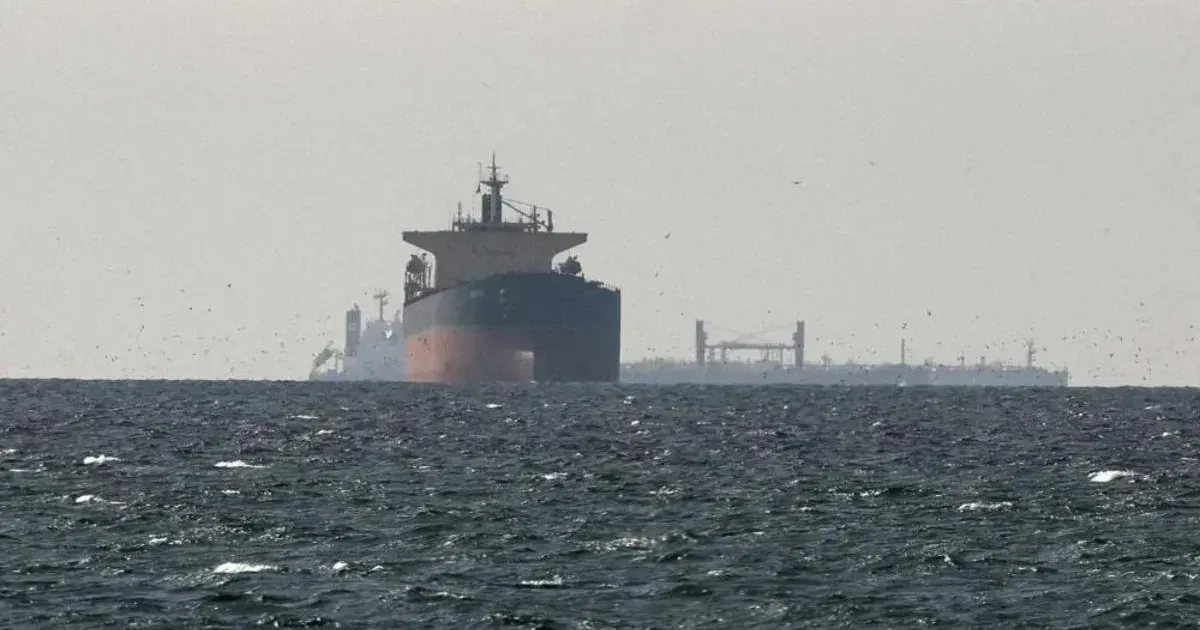
US forces struck Iranian missile and drone storage facilities and coastal radar positions after an attack on a cargo ship, according to BBC World coverage of statements from US Central Command. The operation puts maritime security back at the center of the Iran crisis, where even a limited strike can affect shipping, insurance costs and diplomatic room for de-escalation.
The reported targets matter because they sit close to the practical mechanics of sea-lane pressure. By June 26, 2026, missile stores, drone infrastructure and coastal radar could all shape the threat picture for commercial vessels moving through the Gulf and nearby waters. A strike on those assets had become more than a symbolic response. It is a message about what Washington sees as enabling attacks at sea.
The timing also matters. The region was already dealing with pressure around Iran, US military posture and energy transit. A cargo ship attack turns that pressure into a direct commercial risk. For governments, the question becomes how to respond firmly without widening the conflict faster than allies, shippers and regional states can absorb.
Maritime Security Moves Back To The Center
The cargo ship attack is the detail that changes the frame. Military exchanges can remain confined to bases, militias or air defenses, but attacks on shipping pull in vessel operators, insurers, port authorities and countries that depend on energy and goods moving through the region. That is why the US response will be read closely beyond Washington and Tehran.
BBC reported that US Central Command identified storage facilities and coastal radar positions as strike targets. Those categories suggest an effort to reduce the tools that can support future attacks rather than a broader campaign against the Iranian state. The distinction will matter as diplomats and military planners judge whether the exchange stays limited.
The commercial layer is especially sensitive after repeated warnings about the Strait of Hormuz and nearby routes. Iran-related shipping warnings have put fragile transit recovery under strain. This new episode reinforces that the risk is not only headline conflict, but the operational uncertainty faced by ships that must keep moving.
Washington Signals A Narrow Target Set
By naming radar and storage sites, US officials appear to be drawing a line between retaliation and open-ended escalation. That does not make the situation stable. It does, however, indicate that the first public explanation is tied to specific capabilities associated with maritime attacks.
Iran's response will determine whether that line holds. If Tehran treats the strikes as a contained incident, the next phase may move into warnings, mediation and military readiness. If it answers with another attack, the escalation ladder becomes harder to manage because shipping incidents usually create pressure for visible protection.
Allied governments will also watch the evidence standard. Public attribution after attacks at sea can shape whether partners support additional action or push for restraint. In a crowded maritime environment, credibility is part of deterrence.
The Shipping Risk Is Immediate
The most immediate effect may be caution rather than closure. Shipowners can adjust routes, tighten security procedures or wait for clearer guidance. Insurers can reprice risk. Energy traders can build in a larger geopolitical premium. None of those steps requires a full blockade or a large war.
Even a narrow strike can move freight markets when the target is a working trade corridor.
That is why a narrowly described strike can still have broad economic consequences. The Gulf is not only a military theater. It is a working trade corridor where uncertainty travels quickly through freight markets and political capitals.
The next signals to watch are the condition of the attacked vessel, any Iranian statement on responsibility or retaliation, and whether US naval forces change their posture around commercial transit. If those signals remain contained, the strike may be treated as a sharp warning. If they harden, the cargo ship attack could become the first stage of a wider maritime confrontation.