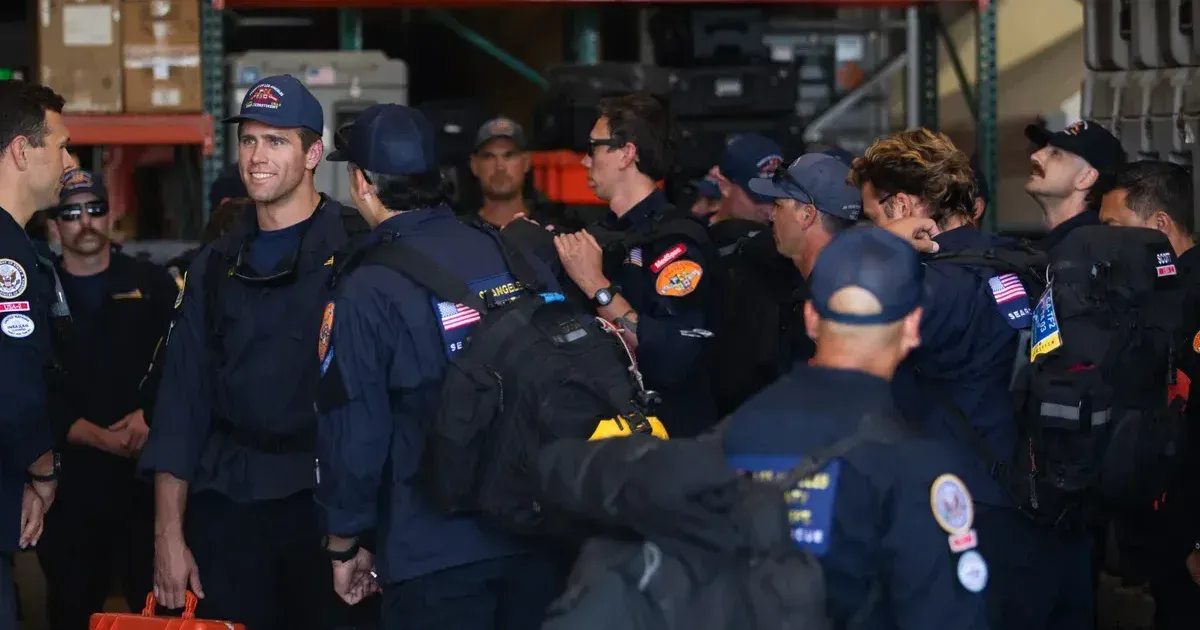
International aid began moving toward Venezuela after two powerful earthquakes struck near the country’s Caribbean coast, turning a domestic disaster into a regional rescue operation. Authorities raised the reported death toll to at least 235 people as crews searched damaged buildings and communities waited for shelter, medical help and reliable information.
The response widened on Friday, June 26, 2026, as governments across the Americas and the United Nations pledged search teams, humanitarian supplies or logistical support. The pledges followed what Al Jazeera described as two devastating shocks that compounded Venezuela’s existing economic hardship and left families trying to locate relatives under rubble.
The immediate question is not only how much aid has been promised, but how quickly it can reach the worst-hit areas. Earthquake response is a race against time in the first days after a major collapse event, and Venezuela’s damaged roads, local shortages and administrative capacity could all shape whether outside help turns into effective relief.
Regional Aid Moves Toward Venezuela
Al Jazeera reported that Brazil, Canada, Mexico, Colombia, El Salvador, Cuba and the United States were among those sending or pledging assistance. The United Nations was also involved in the humanitarian response, a signal that the disaster had moved beyond bilateral offers of support and into a broader emergency coordination effort.
Brazil and Colombia are especially important because of geography and existing migration and border links with Venezuela. Neighboring states can often move supplies, field hospitals and rescue personnel faster than more distant donors, provided border logistics and local permissions are clear.
Mexico, Canada and the United States add different capabilities, from technical rescue resources to humanitarian financing and airlift support. Cuba and El Salvador add another layer of regional solidarity, underscoring that the earthquake response has cut across political alignments that often divide the hemisphere.
For Venezuela’s government, accepting and coordinating that help carries practical and political weight. Disaster diplomacy can open temporary channels between governments that otherwise disagree, but it also tests whether officials can direct aid to the places with the most urgent need rather than the places with the most visibility.
Rescue Work Meets A Strained System
The earthquake struck a country that was already dealing with pressure on hospitals, housing and public infrastructure. That matters because an earthquake does not create every emergency from scratch. It exposes weak buildings, overloaded clinics, limited fuel availability and gaps in local emergency planning.
Search-and-rescue teams need heavy equipment, trained dogs, medical triage, secure communications and rapid transport. Families need water, food, temporary shelter and credible casualty information. Local authorities also need enough coordination to prevent duplicate deliveries to some areas while others remain underserved.
The reported death toll of at least 235 may still change as crews reach additional neighborhoods and confirm missing-person reports. Early tolls after earthquakes often move sharply because collapsed structures can conceal the scale of the disaster for days.
The aid pledges also raise a longer-term question about rebuilding. Emergency supplies can stabilize the first week, but damaged homes, schools, roads and clinics may require months of support. If the response stalls after the rescue phase, communities could be left with temporary relief but no durable recovery.
The Test Is Delivery
Pledges matter only if supplies reach affected families and rescue teams can operate safely.
The most important measure now is delivery rather than announcements. Foreign support also depends on local officials publishing clear information about needs and distribution.
That delivery test includes records that are easy for survivors to understand: where shelters are open, which hospitals are receiving patients, which roads are closed and how families can report missing relatives. In a disaster with outside aid flowing in, public information is not a side issue. It is part of the rescue system because confusion can waste fuel, personnel and daylight.
The coordination burden will likely grow as the emergency shifts from rescue to relief. Outside teams may arrive with different equipment, language capacity and operating procedures, while local officials must still prioritize hospitals, temporary housing and basic supplies. A clear command structure is the difference between visible solidarity and useful assistance.
Venezuela’s crisis has drawn outside attention before, but an earthquake response is different because delay has a visible human cost. The coming days will show whether regional governments can convert offers into coordinated field work while Venezuelan authorities manage the rescue phase, the casualty count and the first decisions about rebuilding.