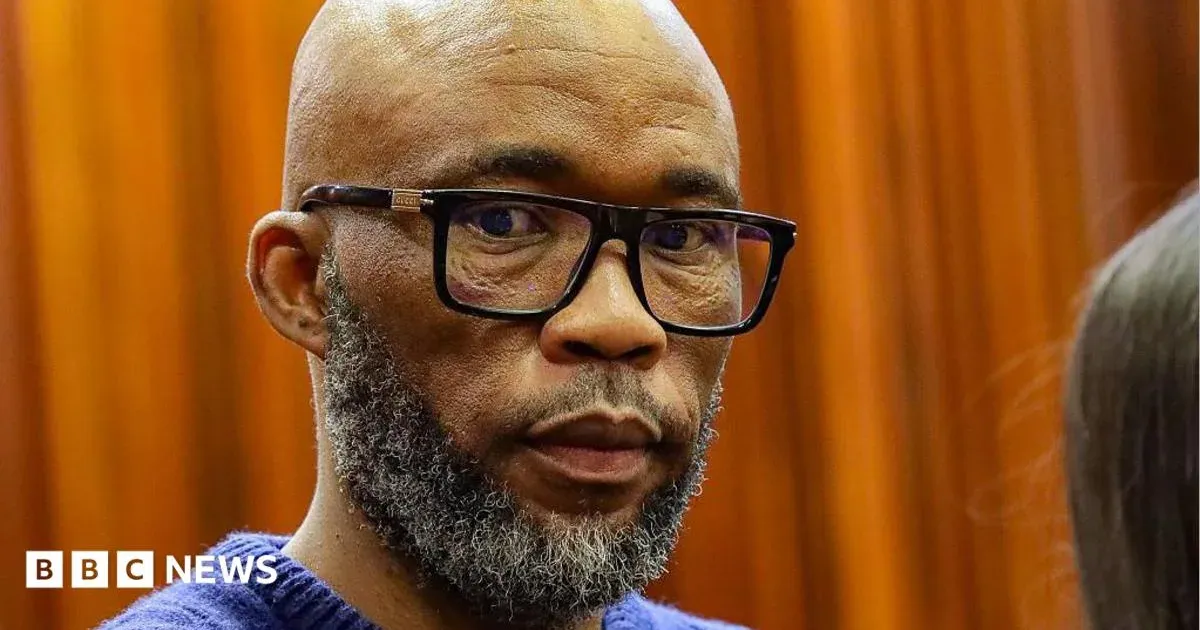
The plea gave investigators a concrete point in a case that had often been described through allegations and leaks. It also raised pressure on police leaders to explain what they knew. A guilty plea by Vusimusi Cat Matlala has intensified scrutiny of South Africa's police corruption scandal and raised the possibility of evidence against senior officials. Matlala entered the plea on June 25, 2026.
The plea was reported in connection with proceedings tied to the Madlanga Commission. Prosecutors said Matlala could provide evidence against high-ranking officials, a claim that turns the case from a single defendant's admission into a potential map of wider institutional corruption.
The case is politically sensitive because South Africa's police system has already faced deep public distrust. Allegations involving well-connected figures, contract influence and official protection feed a wider fear that corruption has penetrated institutions meant to investigate crime.
The Plea Changes The Leverage
A guilty plea can shift a corruption case because it gives prosecutors a cooperating witness or at least a defendant with an incentive to describe how the network worked. That can matter more than the plea itself if investigators are trying to climb from intermediaries to senior decision-makers.
Matlala's value to prosecutors will depend on what he can document. Names alone are not enough in a high-stakes inquiry; investigators need records, payments, communications, meetings or other corroboration that can survive legal challenge.
The Madlanga Commission now faces the difficult task of turning public allegations into a structured account of who did what, who benefited and which institutions failed. That is harder when powerful people have reason to delay, discredit or narrow the investigation.
For the public, the central question is whether the plea produces accountability or simply another round of testimony that confirms what many people already suspect. South Africa has seen major inquiries before, and public patience depends on whether evidence leads to consequences.
The timing also raises pressure on investigators to protect the integrity of the evidence trail. If Matlala is expected to describe relationships with influential figures, prosecutors will need to secure records quickly and guard against intimidation, selective leaks or attempts to shape the public narrative before formal testimony is tested. That is why the case now has two tracks. One is the criminal matter built around charges, plea terms and possible cooperation. The other is the institutional reckoning over how alleged influence could reach police structures without being stopped earlier.
Police Credibility Is The Larger Issue
The scandal matters because police legitimacy is not abstract. If citizens believe senior officers or politically connected figures can manipulate enforcement, they are less likely to trust investigations, cooperate with authorities or believe that prosecutions are neutral.
That loss of trust can damage ordinary policing. Detectives need witnesses, communities need confidence that complaints will be handled fairly, and honest officers need assurance that internal corruption will not be protected by rank or political access.
The plea also puts pressure on prosecutors. If they signal that Matlala can implicate senior figures, they must show that the case is moving beyond symbolic accountability. Otherwise the admission may be seen as a managed outcome that leaves the most powerful actors untouched.
Political leaders face a similar test. Public statements about cleaning up police corruption will carry little weight unless the inquiry is allowed to follow evidence upward. A credible process must be able to name failures inside the system, not only punish figures who are already isolated. That means officials may have to accept uncomfortable findings about oversight, procurement and internal discipline if the commission shows that warning signs were ignored or buried.
What The Inquiry Must Prove
The next stage will turn on whether Matlala's evidence connects alleged corruption to specific decisions, contracts, protections or payments. A corruption scandal becomes prosecutable only when investigators can move from rumor to a chain of documents and witnesses. The same standard will shape public trust, because broad allegations can raise expectations faster than prosecutors can prove them in court, especially when senior names are involved.
That is why the case now carries more weight than one guilty plea. It is a test of whether South Africa can use the Madlanga Commission to expose networks inside law enforcement rather than simply narrate their existence.
The commission will also need to separate political noise from usable evidence. High-profile corruption cases often produce dramatic claims, but successful prosecutions depend on dates, documents, financial flows and witnesses who can withstand cross-examination. If that standard is met, the case could become a rare opening into how police influence networks operate. If it is not, the guilty plea may still matter legally but fall short of the broader accountability that the public is now being led to expect.
If the plea leads to credible evidence against senior officials, it could strengthen public confidence and give prosecutors momentum. If it stalls, the scandal will deepen the perception that police accountability reaches only as far as the politically expendable, leaving the commission with a credibility problem of its own.